



Learning Center Guide
Diamond Cut
Diamond cut grades how well a stone was proportioned, polished and finished, and it's the C that decides how much light comes back at you. It's not the same thing as shape. Cut quality is what makes one diamond outsparkle another of identical color, clarity and weight. Here's what the grade is measuring, and where to hold it.

Part One
What a Cut Grade Actually Measures
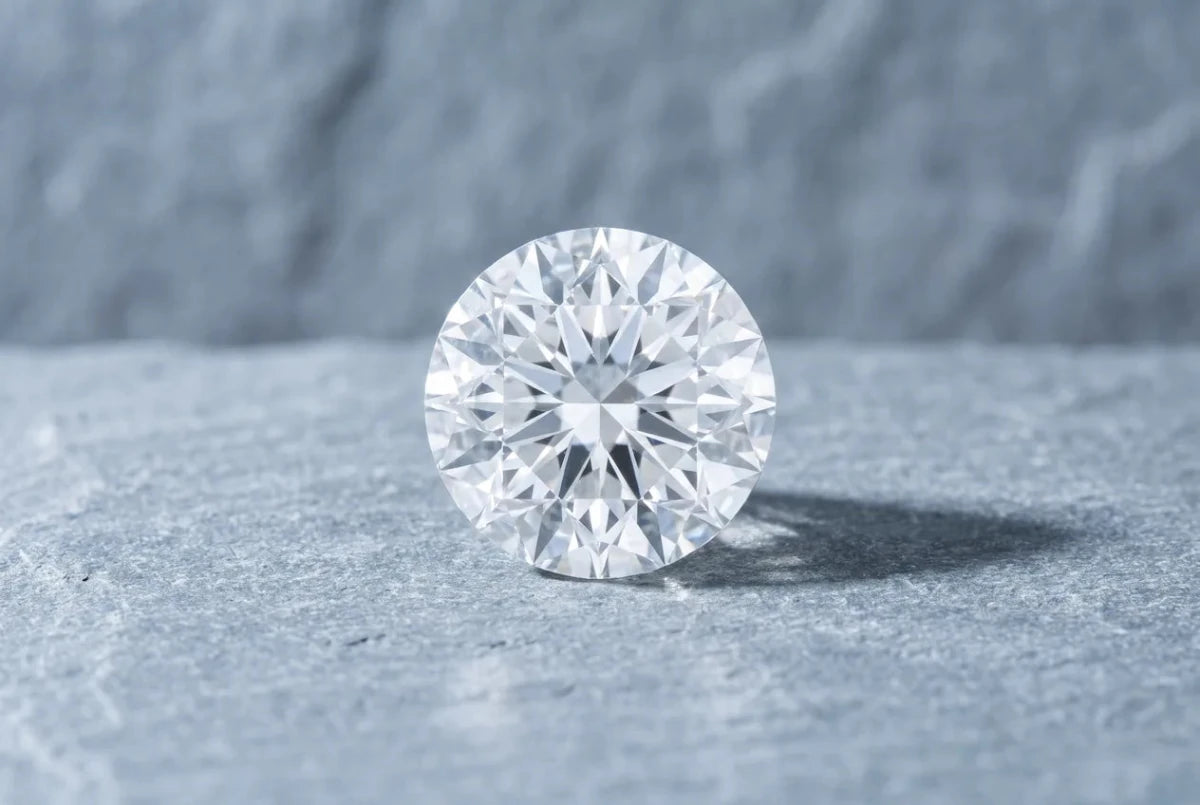
A cut grade is a verdict on light, not on outline. Proportions, symmetry and polish decide how much light comes back out of the top of a stone instead of leaking through the bottom, and the grade folds all three into one word. GIA grades cut Excellent, Very Good, Good, Fair and Poor, and only on standard round brilliants. Here's what that's really measuring.
Proportions, Symmetry and Polish
Three things go into the grade, and not one of them is the outline. Proportions are the angles and percentages, table width and total depth, the numbers printed on the report. Symmetry is whether the facets line up with each other. Polish is the surface finish left by the wheel, and it's the one nobody thinks to ask about. Get all three right and you get all three parts of sparkle. Brightness is the white light thrown straight back. Fire is that light split into color. Scintillation is the flash and shift as the stone moves.
What Each Grade Does on the Hand
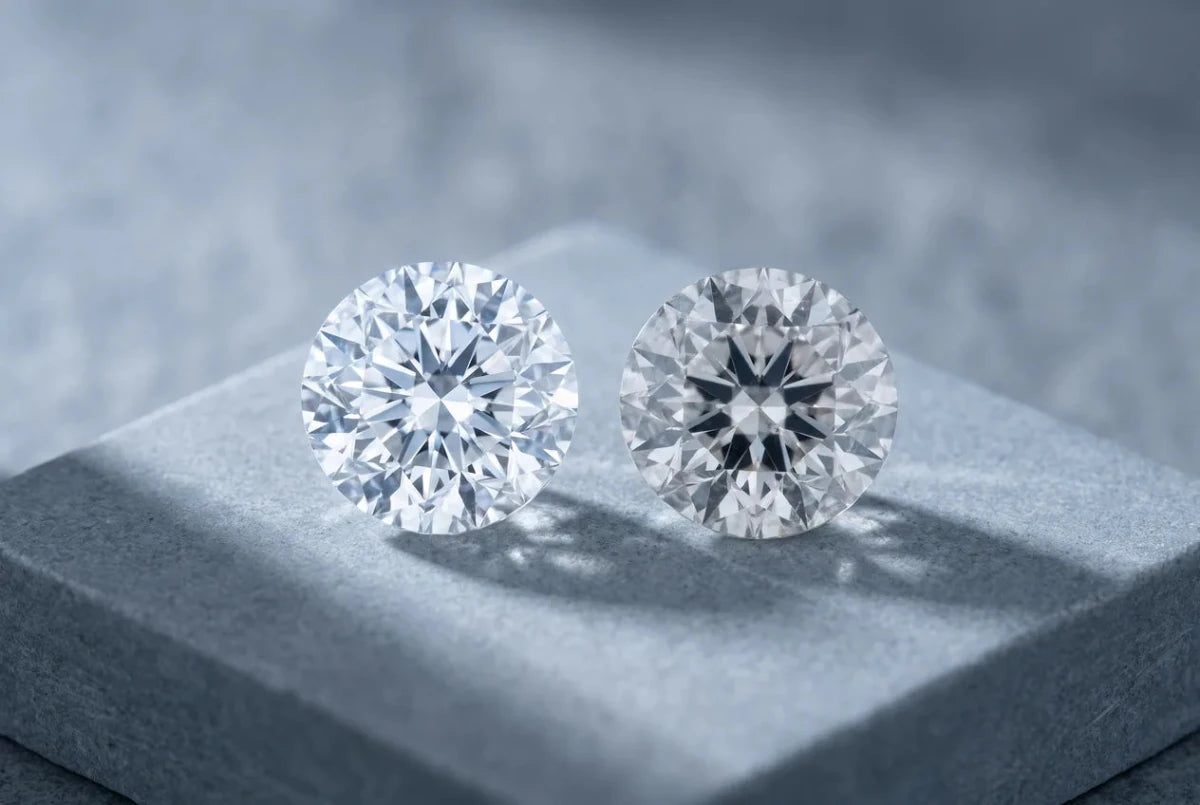
Excellent and Very Good both read brilliant across a room. Below that, the light starts going somewhere other than your eye. A Good-grade round is usually a stone cut deep to hold weight, and that's the trade we watch on the bench every day: the carat number stays, the light doesn't. Cut too deep and the stone swallows light out through the pavilion; cut too shallow and the light goes straight through the bottom. Either way the middle goes flat under a spotlight, and you're paying for weight you can't see.
Fancy Shapes Carry No Cut Grade
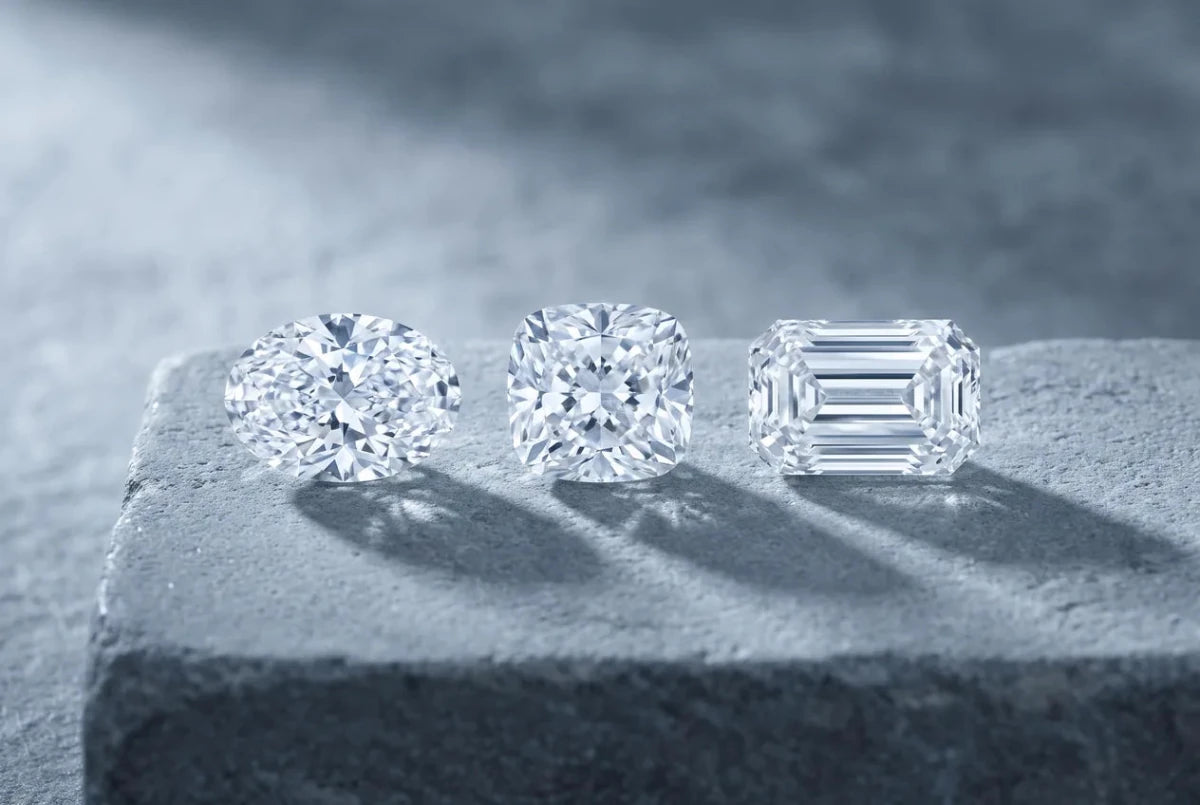
Here's the part nobody explains at the counter: a princess, cushion, oval or emerald cut gets no cut grade at all. GIA issues the grade for standard round brilliants and grades the fancy shapes on polish and symmetry instead, so two ovals with identical paperwork can look nothing alike face up. Judge those the way we buy them: on the millimeter measurements, length by width by depth, on the face-up spread, and on a photo or video of the actual stone rather than a catalog picture of the shape.
At a Glance
Diamond Cut Grades Chart: Excellent Down to Poor
Five grades, top to bottom: Excellent, Very Good, Good, Fair, Poor. The top two are where we'd spend, and the bottom two aren't center-stone material at any price. The American Gem Society scores cut 0 to 10 instead, with 0 at the top, so don't read a 0 on that report as a failure. Different notation, same question: how much light comes back.
| Cut grade | What the facets do | How it reads on a hand | What it costs | Our call |
|---|---|---|---|---|
| Excellent | Light enters, bounces and returns through the crown | Flashes from across a room | The top of the price band for that weight | Buy it when the stone is a round and sparkle is the whole point. |
| Very Good | Nearly all of the light returns; a fraction leaks | Reads brilliant, and almost nobody spots the step down | Steps down meaningfully from Excellent | Where we'd put the money. The saving buys carat or a better color grade. |
| Good | Usually cut a little deep or a little shallow to hold weight | Bright indoors, flat under a spotlight | Cheaper per carat | Fine for side stones and accents. Look hard before you make it the center. |
| Fair | Real leakage through the pavilion | Dull through the middle, glassy at the edges | Cheap per carat, for a reason | Not a center stone. |
| Poor | Most of the light escapes out the bottom or the side | Looks like glass in daylight | The cheapest on the scale | Skip it. Carat weight you can't see isn't a saving. |
The Other Meaning
Diamond Cuts vs Diamond Shapes: Princess, Radiant, Cushion, Marquise
When someone says princess cut, radiant cut or cushion cut, they're naming a shape, not a grade. Cut quality and cut shape are two different questions, and most shoppers ask both of them with the same two words.
Shape is the outline you see from above. Cut quality is how well the facets were carved into that outline. You pick the shape with your eye; you check the cut quality on the report, or on a fancy shape, on the stone itself. They don't trade against each other, either: an oval you love, cut badly, is still a badly cut stone. All ten shapes, described and compared side by side, live in the diamond shapes guide.

Shape does change the character of the sparkle. A round brilliant's 57 facets, 58 if the culet counts as one, were engineered for light return, and nothing beats it at that job. Step cuts, meaning emerald, asscher and baguette, flash in broad planes instead of glittering, which is the entire point of owning one. Elongated shapes spread the same weight over more surface, so they read bigger face up. None of that is a cut grade. It's what the outline does with the light once the cutting is right.
On the bench the difference shows up as depth. A fancy shape cut deep keeps the carat weight the buyer is paying for and hands back a dark center, and there's no grade on the report to warn anyone. That's why we compare millimeter measurements before carat weight on anything that isn't a round, and why we'd rather send you a video than a spec sheet.
| What people call it | What it actually is | Cut grade issued? | What to judge it on |
|---|---|---|---|
| Round brilliant | A shape, and the only one carrying a cut grade | Yes | The grade itself. Excellent or Very Good. |
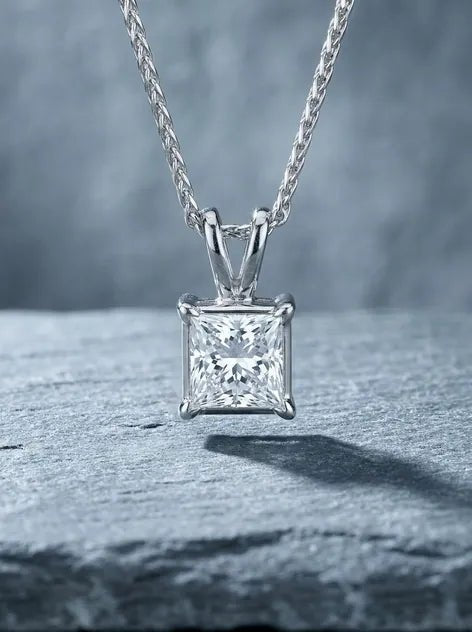
| Princess | A square outline with brilliant-cut facets | No | Depth. A princess cut deep to hold weight darkens in the middle. |
| Radiant | A trimmed-corner rectangle with a brilliant engine | No | Face-up measurements rather than carat weight. |
| Cushion | A rounded-corner square, several facet families | No | The exact stone. Facet patterns vary between cutters. |
| Oval, pear, marquise | Elongated brilliant outlines | No | The bow-tie shadow through the center, and symmetry. |
| Emerald, asscher | Step cuts, long flat facets | No | Symmetry and clarity. A step cut is a window, not a mirror. |
| Baguette | A small step cut, usually a side stone | No | Matching across the row: length, width and height. |
The Short Answer
Which Cut Is Best in Diamonds?
Excellent or Very Good, in whichever shape you love. Cut is the one C where the grade and your eye agree, so hold it high and let color and clarity fall to the eye-clean, face-up-white line. That's the trade that buys the most sparkle per dollar.
Sparkle is the whole point
Buy an Excellent-cut round brilliant. Nothing returns more light, and the grade is printed on the report, so you don't have to take anyone's word for it. It also costs the most per carat of anything on this page.
Stretching the budget
Buy Very Good and put the saving into carat. A well-cut G SI1 out-sparkles a badly cut D Flawless, which makes cut the last grade to compromise on and color and clarity the first two.
Buying a fancy shape
There's no cut grade to lean on. Ask for the millimeter measurements, compare face-up spread instead of carat weight, check the center for a dark bow-tie, and look at a video of the stone you're actually buying.
See cut quality in finished pieces: diamond engagement rings, white gold, yellow gold and platinum diamond rings. Working from the stone instead? Browse natural loose diamonds or lab-grown diamonds, which are cut and graded on the same scale. Every piece is made to order in our own US factory.
Quick Answers
Asked every day at our counter
What is a diamond cut called?
What does it mean if something is diamond cut?
Which diamond cut is the cheapest?
Is an Excellent cut worth the extra over Very Good?
What is the prettiest cut of a diamond?
Still Deciding?
Tell us which two you're comparing
Send us the two stones you're stuck between and we'll say which one is the better cut, and where the rest of the money should go. Working from an idea of your own? Send a sketch and our jewelers will design it from scratch.