



PrimeStyle Learning Center
Diamond Education From The People Who Make It
We've made diamond jewelry in our own US factory since 2001. These guides say what we tell customers before they spend: what's worth paying for, what isn't, and why. Plain answers, and the prices to go with them.

Start Where You Are
What brings you here today?
Three ways in. Pick the one that matches your situation and you get only the guides that apply to it.
Buying an Engagement Ring
Five decisions, taken in this order: shape, color, metal, setting, size. Get the order right and you'll never have to undo one.
Buying a Gift
Earrings, a pendant, a bracelet. The two things that go wrong are the metal and the size, so start there.
Upgrading or Going Custom
You already know the basics. This is where lab-grown and natural actually differ, and what happens when a piece is made from scratch.
The Buying Path
An engagement ring is five decisions, taken in order.
Each step below is a full guide. Settle one before you move to the next, because the choices stack: the shape decides which settings work, and the setting decides which metals can hold it.
Shape
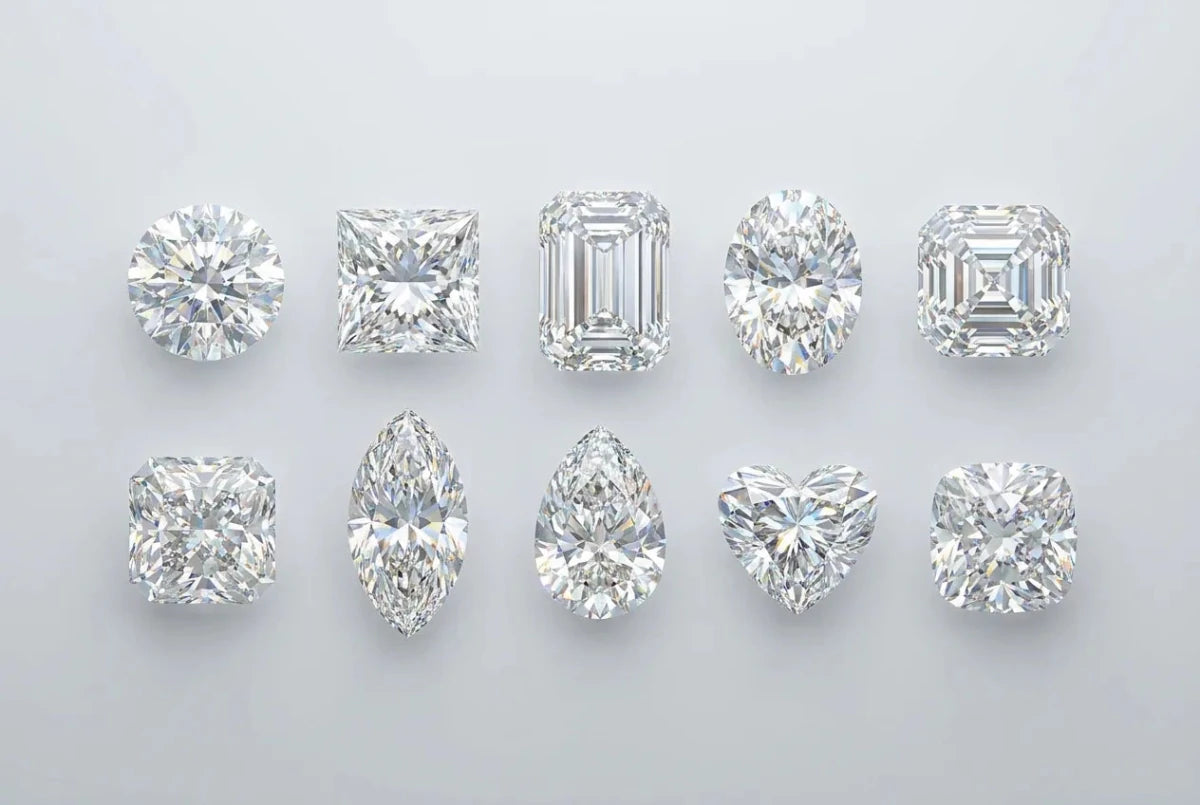
Ten outlines. Which ones look biggest for the carat weight, and which suit a long or a short finger.
Shapes Guide 2Color
Learn where color grades stop mattering to the naked eye.
Color Guide 3Metal
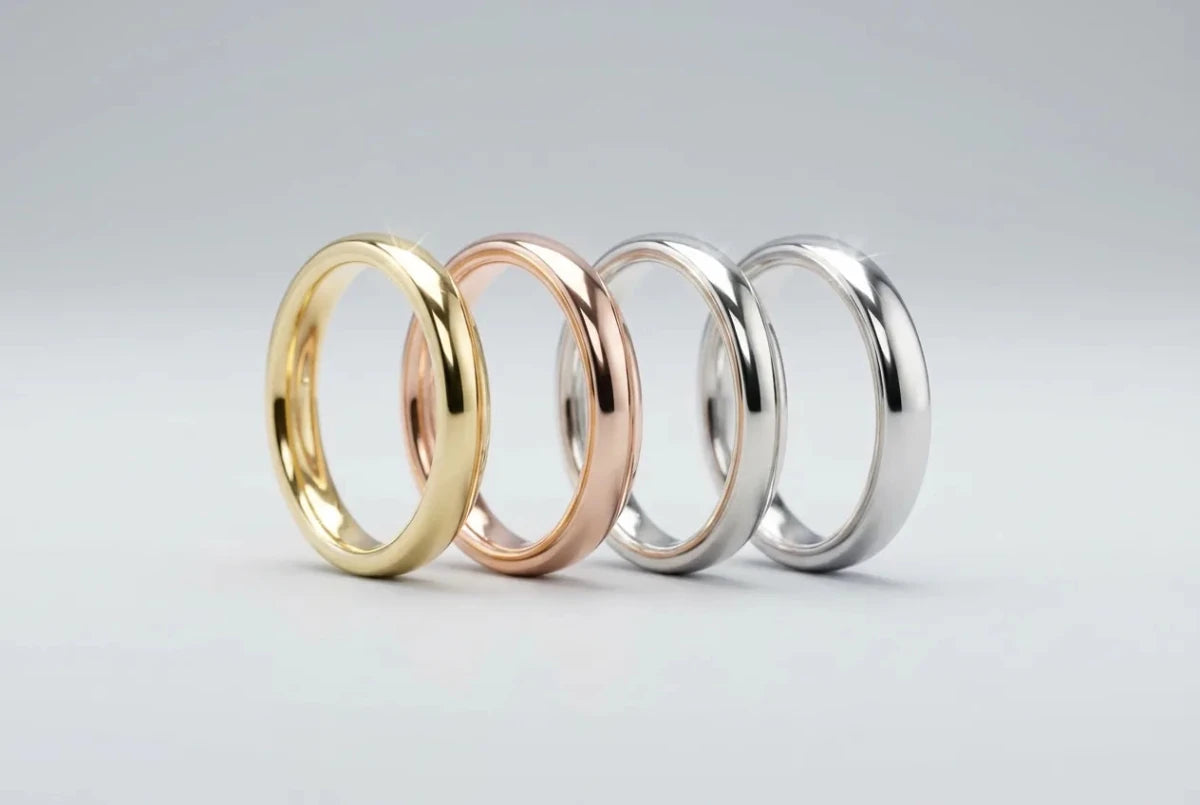
Yellow, white and rose gold, plus platinum. Which karat holds up to daily wear, and which metal frames your stone best.
Metals Guide 4Setting
How the stone is held, and the design of the ring around it.
Settings Guide 5Size
Three ways to measure at home, plus a free ring sizer we'll mail you.
Size GuideThe Basics
The 4Cs, decided in one minute
Every graded diamond, mined or lab-grown, is measured the same four ways. Here's what each one means and what we'd actually buy.
Cut
How well the facets are proportioned and polished. Cut does more for sparkle than any other C. Read the cut guide.
Smart buyBuy cut first. A well-cut stone hides its flaws; a big dull one puts them on display.
Color
Graded D (colorless) to Z (light yellow). Read the color guide.
Smart buyG–J reads white to the eye once set; put the savings into cut or carat.
Clarity
The number and visibility of natural inclusions. Most are invisible without a loupe. Read the clarity guide.
Smart buyBuy eye-clean, usually VS2–SI1. Judge the stone, not the letters on the report.
Carat
Weight, not size. Two stones of the same carat can face up very differently by shape and cut. Read the carat guide.
Smart buyBuy just under the round numbers. A 0.90ct faces up like a 1.00ct and costs noticeably less.
Explore
Nine topics. Every question.
Pick the topic you're deciding on. Each card links straight to the full guide, and the ones still in production say so on the card.
Diamonds
Shapes, the full 4Cs, and how a rough crystal becomes a ring.
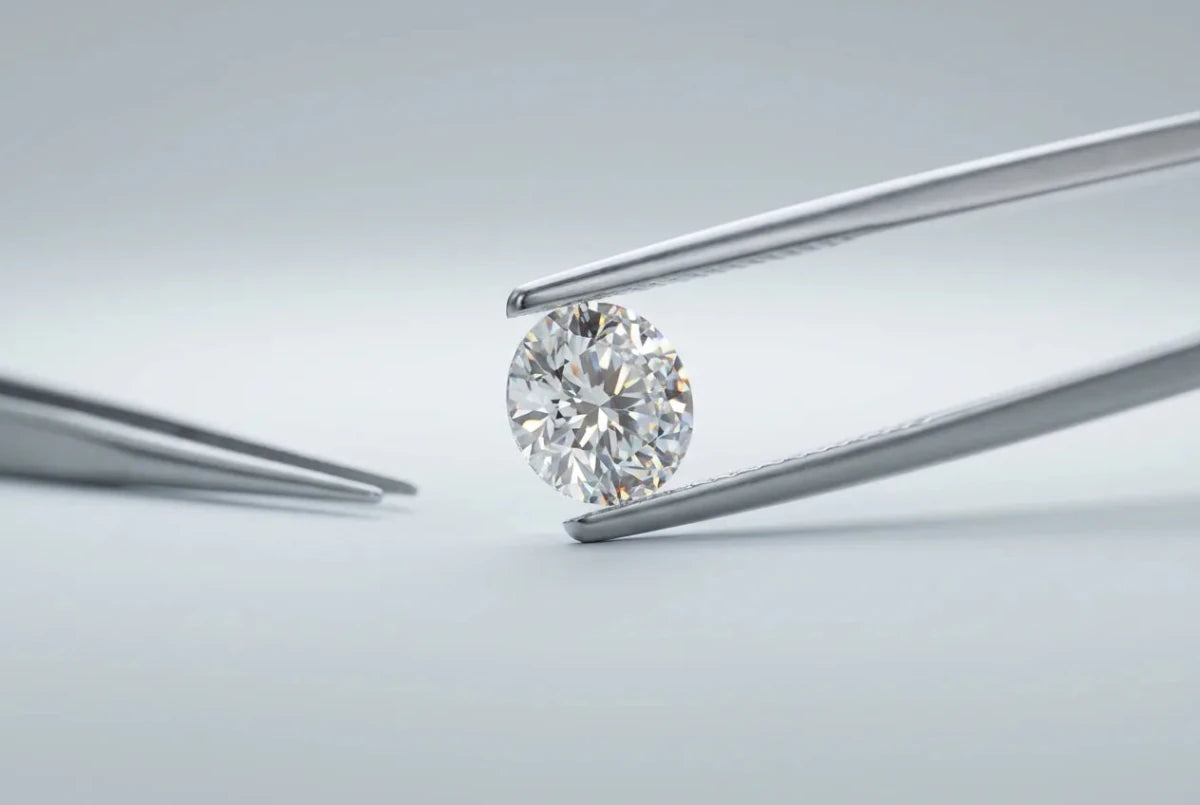
Lab-Grown
Real diamonds, grown above ground. How they're made, and why they grade so high for color and clarity.
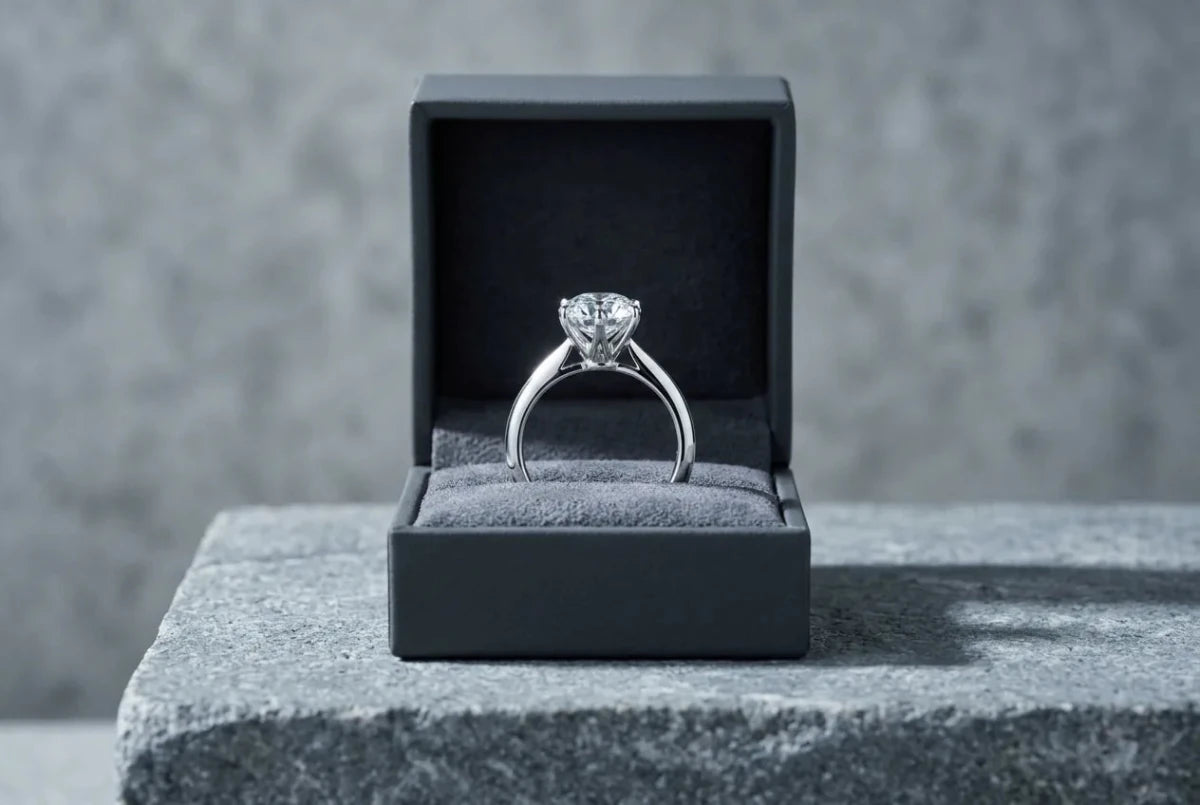
Engagement
The five decisions in order. Plus what changes the day you go custom.
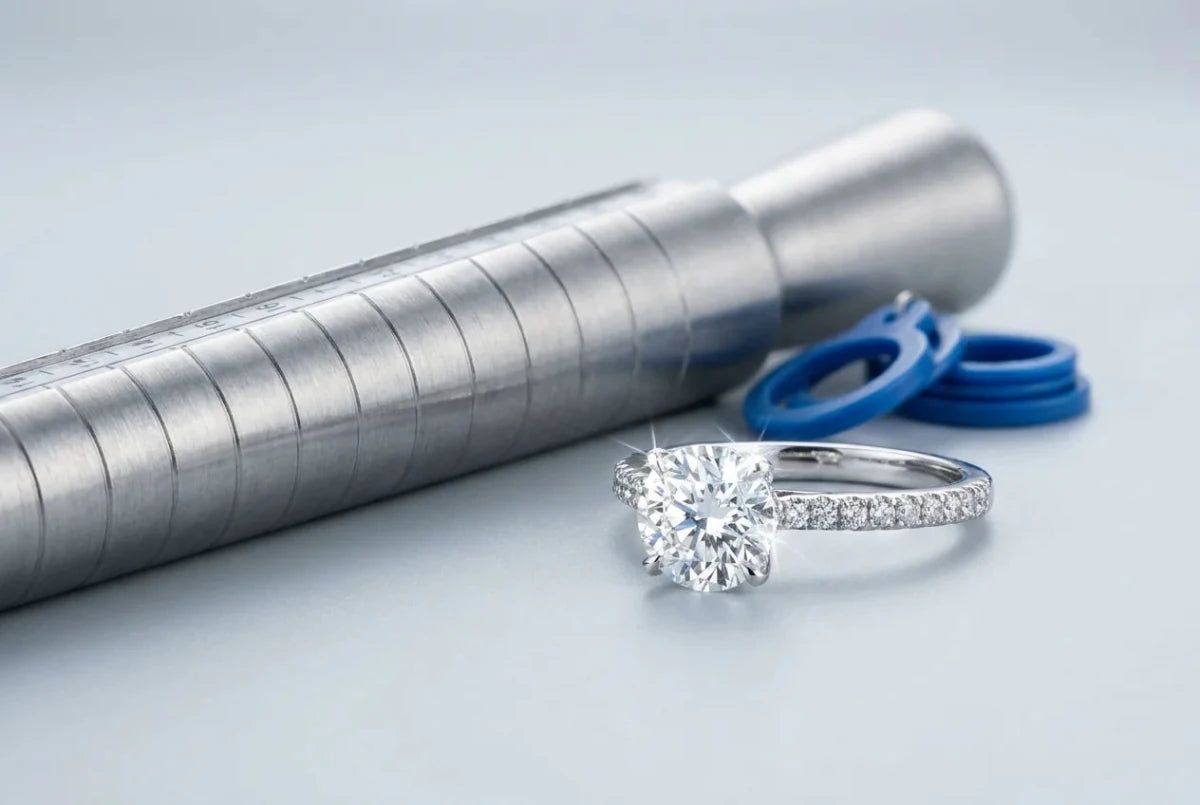
Sizing
Measure at home, convert internationally, keep the surprise.
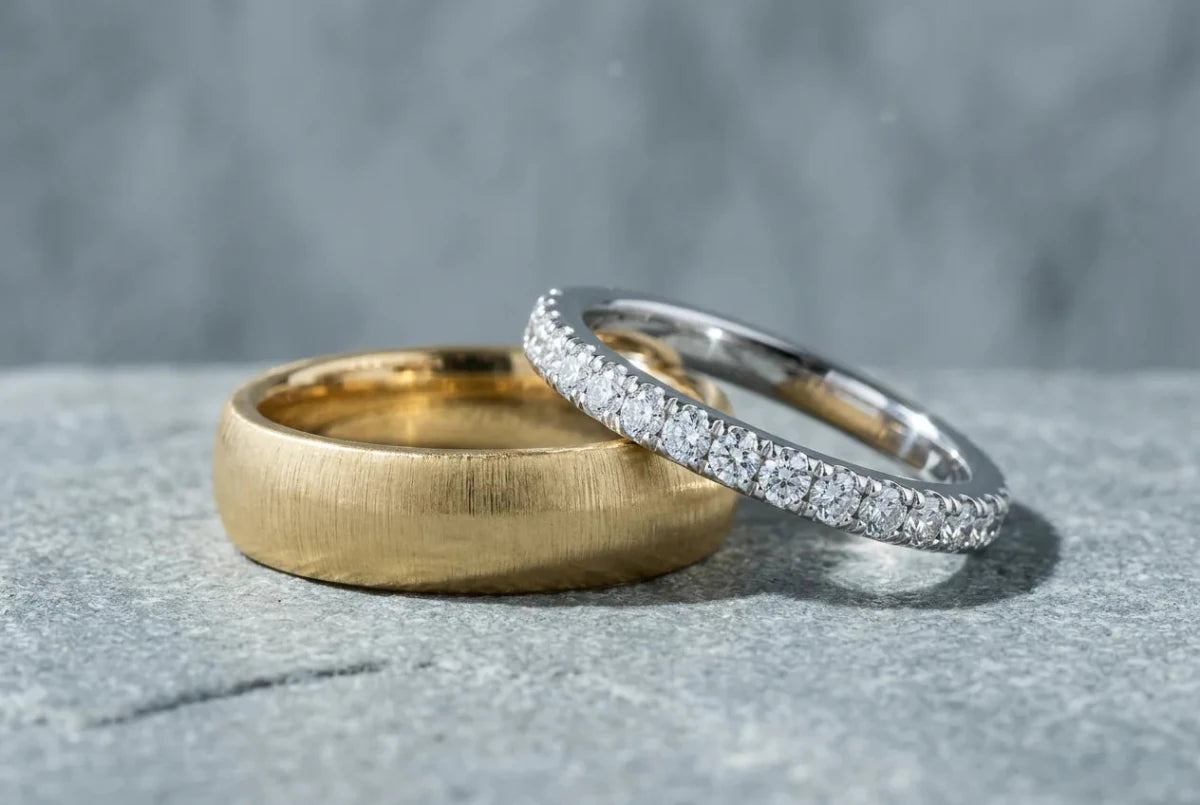
Wedding Guides coming
Bands cut to sit flush against her engagement ring. Plus eternity rings and men's bands built for daily wear.
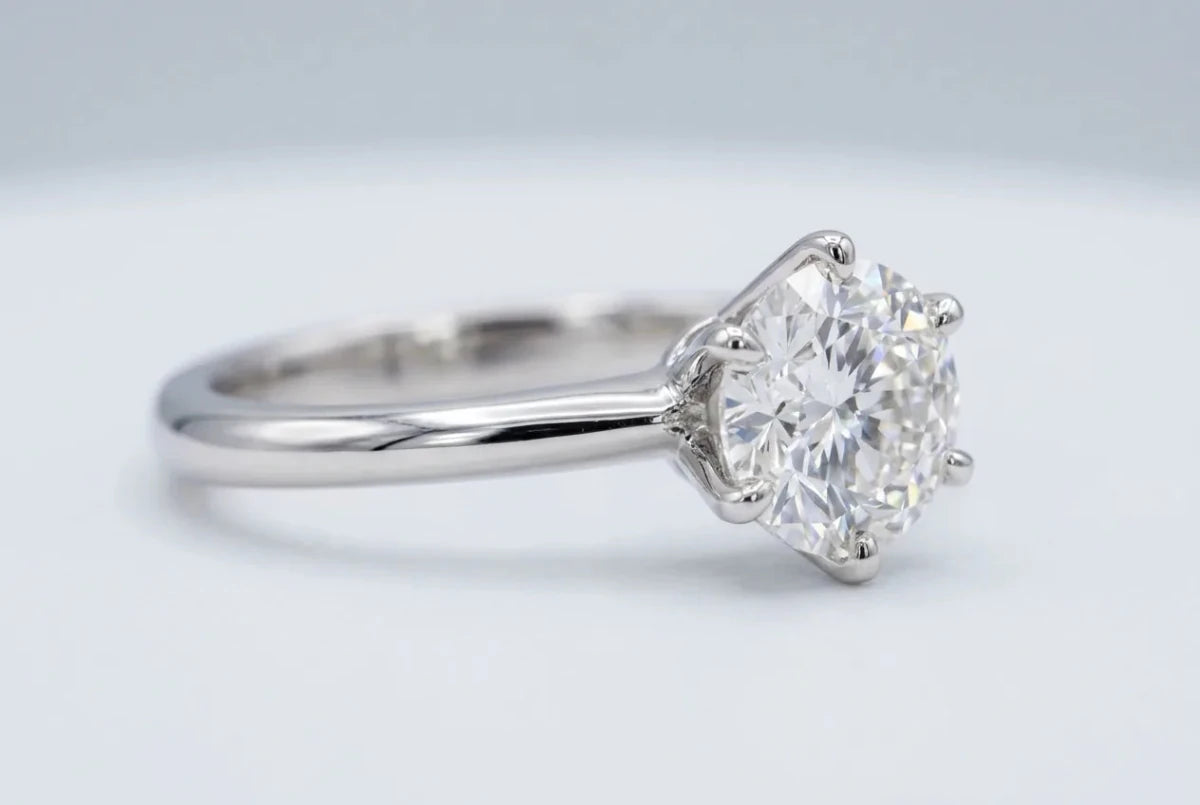
Jewelry Guides More coming
Prong, bezel, channel, pavé. How each one holds a stone, and which shapes it suits.
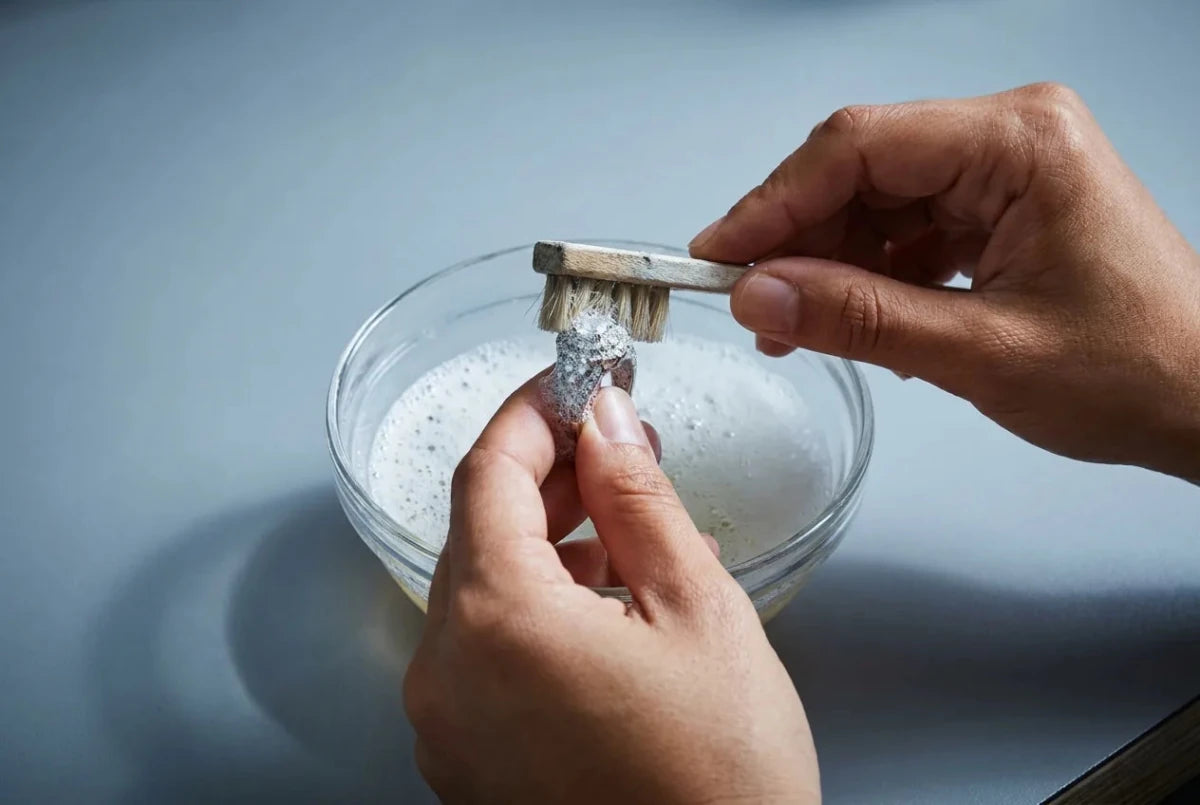
Care & Maintenance Guide coming
Keep diamonds bright and settings tight, at home.
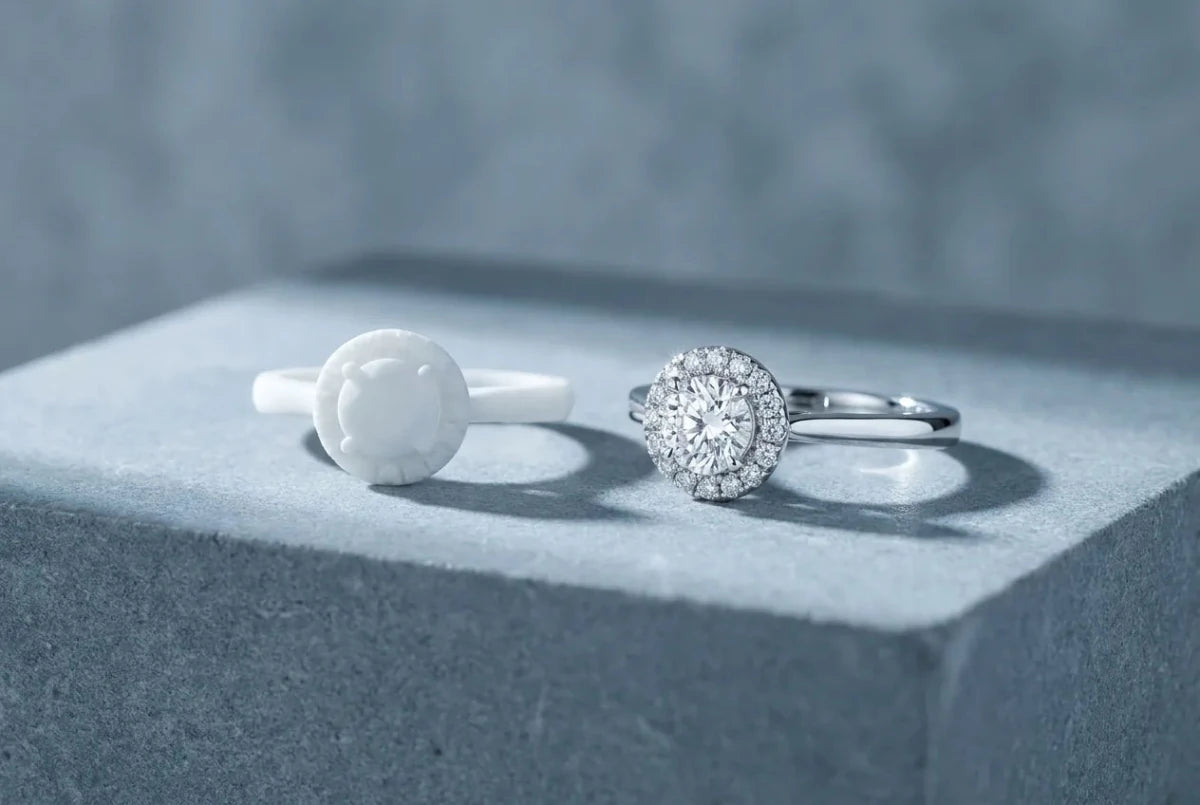
Custom Jewelry
How a custom piece goes from your idea to a finished ring.
At a Glance
Lab-grown vs. natural diamonds
The question we hear most, answered in one table.
| Property | Lab-Grown | Natural | What it means |
|---|---|---|---|
| Composition | Crystallized carbon | Crystallized carbon | Chemically, physically, and optically identical. |
| Appearance | Identical | Identical | Only specialized lab instruments can tell them apart. The eye can't. |
| Grading | IGI: full 4Cs grades. GIA since 2025: descriptive ranges (“premium” / “standard”) instead of specific grades | GIA & IGI: full 4Cs grades | For lab-grown, an IGI report gives exact grades; a current GIA lab-grown report describes quality in broad ranges. |
| Origin | Grown in a lab (HPHT or CVD) | Mined from the earth | Origin is the only real difference. Natural carries a billion-year story, lab-grown carries the price that comes with weeks. |
| Price | Lower per carat | Carries a rarity premium | The same budget buys a larger or higher-grade lab-grown stone. With natural, part of what you pay for is the rarity itself. |
GIA updated its lab-grown reports in 2025: they now describe color and clarity in descriptive ranges rather than the specific D-to-Z and clarity grades still used for natural diamonds. IGI continues to grade lab-grown diamonds on the full scale. Per FTC guidance, lab-grown diamonds are diamonds, and sellers must disclose origin.
Quick Answers
Asked every day at our counter
What diamond color grade should I buy?
Are lab-grown diamonds real diamonds?
Does GIA still grade lab-grown diamonds?
Which metal is the most durable?
How do I find her ring size without asking?
What's the difference between a setting and a style?
How do I clean a diamond ring at home?
How much should I spend on an engagement ring?

From the Factory Floor
We make it. That changes the advice.
A reseller can only sell you what's already in the case. We make the piece, so we can tell you what to skip. We set the stones ourselves, and we see which upgrades the eye picks up and which ones only the report knows about. That's the difference running through every guide here.
We are the manufacturer, not a reseller of someone else's work, and the people who write these guides are the people at the bench. When a guide says don't pay for that, it's because we've watched it make no difference on a finished ring.
Still Deciding?
Talk to a jeweler, not a salesperson
Send us a sketch, a photo you saved, or the specs you're weighing, and we'll tell you straight which upgrade is worth the money.
Or write to sales@primestyle.com. A jeweler answers, not a bot.