


A promise ring represents a commitment between two people, a promise made and then worn where both can see it. What that promise means depends on the relationship. It is not the same as proposing: an engagement ring formally asks for marriage, and a wedding ring is exchanged during the ceremony itself. A promise ring marks something earlier and more personal, usually a serious relationship. Outside romance, it can also stand for a close friendship or a shared goal.
The tradition goes back to ancient Rome, where couples exchanged betrothal rings, the anulus pronubus, to signal an intention to marry. In 16th- and 17th-century England and France, posy rings carried short verses engraved inside the band, chosen for the person receiving them. Today’s promise rings borrow from both traditions and update them with modern designs and modern meanings.

What Are the Different Types of Promise Rings?
The seven main types of promise rings are simple bands, diamond rings, gemstone rings, heart-shaped designs, infinity rings, matching couple sets, and engraved bands. Each suits a different kind of promise:
- Simple Bands: A plain band in yellow gold, white gold, platinum, or sterling silver makes the quietest statement. It suits people who prefer clean lines over ornament, and it holds up well to daily wear.
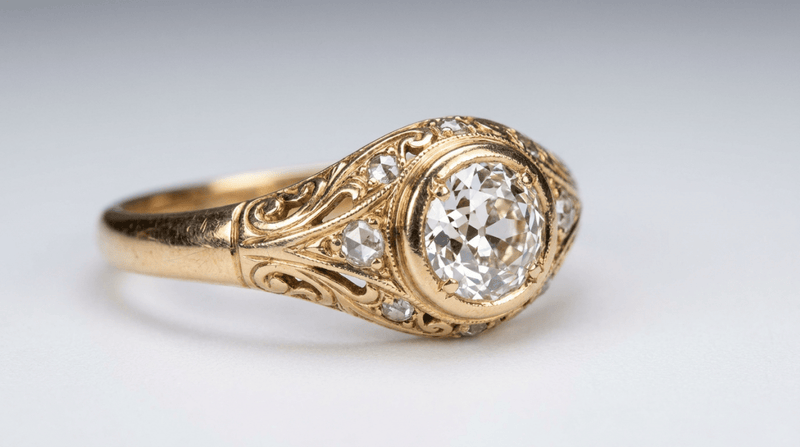
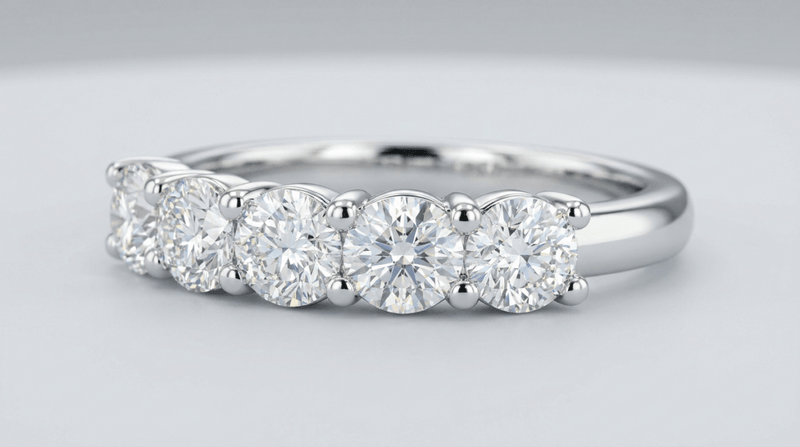
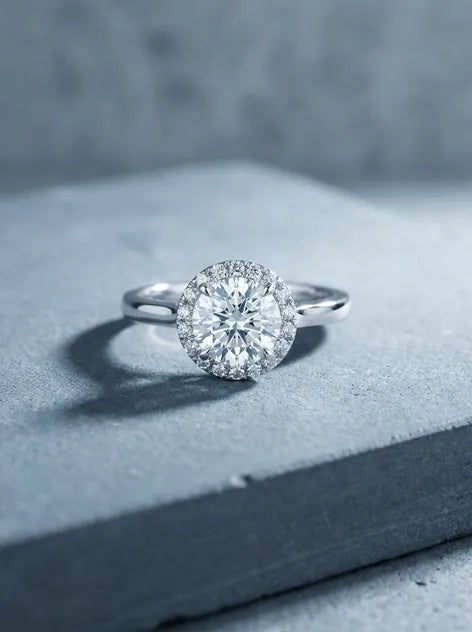
- Diamond Promise Rings: Modest diamonds or a small cluster at the center distinguish these from a solitaire engagement ring. The scale stays understated while the diamond itself signals a lasting commitment.
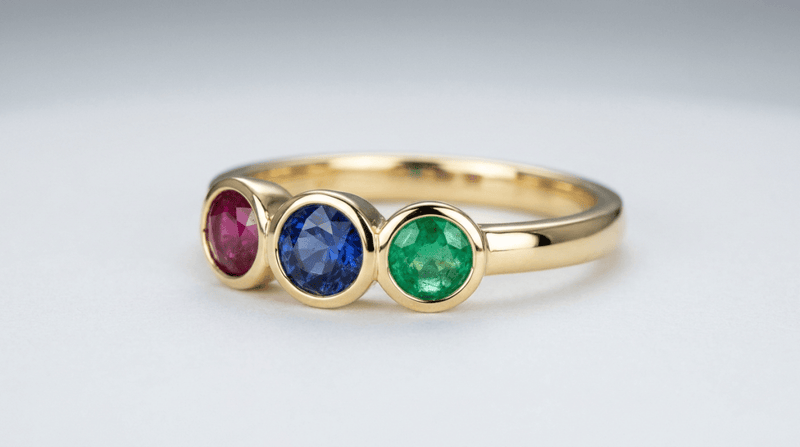
- Gemstone Promise Rings: Colored stones offer a personal alternative to diamonds. A blue sapphire stands for loyalty and trust; a red ruby stands for passionate, vibrant love.
- Heart-Shaped Promise Rings: Nothing states affection more plainly than a heart. Jewelers set them with diamonds, sapphires, or birthstones to make the gift feel specific to the person wearing it.
- Infinity Rings: The infinity symbol, a loop with no beginning and no end, represents devotion that does not run out. It can be worked into the band itself or serve as the centerpiece, usually in gold or silver.
- Matching Couple Promise Rings: Identical or coordinated rings show unity between two people. Designs range from plain to intricate and come in gold, sterling silver, and tungsten carbide.
- Engraved Promise Rings: Initials, a date, or a short phrase cut into the band turns any ring into a promise ring. The work can be done by hand or by laser.
What Are the Best Metals for Promise Rings?
Gold, sterling silver, platinum, titanium or tungsten, and mixed-metal designs are the five best metals for promise rings. Here is how they compare:
- Gold (Yellow, White, Rose): Gold remains the standard for its warmth and lasting color. Pure gold is soft, so it is alloyed with copper and silver for everyday strength. White gold gets its bright finish from rhodium plating, and rose gold’s copper content gives it a warm pink tone that grows richer over the years.
- Sterling Silver: An affordable, good-looking option. Silver tarnishes in air and moisture, so it needs regular polishing, and its softness makes it more prone to dents and scratches than gold.
- Platinum: The most durable of the precious metals, naturally white and hypoallergenic. It develops a soft patina over time that a jeweler can polish away, and it is denser and more expensive than gold or silver.
- Titanium or Tungsten: Titanium is lightweight, gunmetal gray, corrosion-resistant, and hypoallergenic. Tungsten is harder still and nearly scratch-proof, needing almost no maintenance to keep its shine.
- Mixed Metals: Combining two or more metals in one ring creates a bold, distinctive contrast. Many couples like the symbolism, two different elements joined in a single piece.
What Are the Most Popular Gemstones for Promise Rings?
Diamonds, sapphires, rubies, emeralds, amethysts, and birthstones are the most popular gemstones for promise rings.
- Diamond: The clearest symbol of an unbreakable bond. At 10 on the Mohs scale, diamonds shrug off scratches and handle daily wear, in pavé, solitaire, and three-stone styles alike.
- Sapphire: A classic blue alternative to a diamond, standing for loyalty and sincerity. It rates 9 on the Mohs scale, so durability is not a concern.
- Ruby: Long called the king of gemstones, ruby represents courage and passion. It shares sapphire’s hardness of 9, which makes it practical for everyday wear.
- Emerald: Softer than ruby or sapphire on the Mohs scale, but a protective bezel setting shields it from impacts. Its green color speaks of growth and harmony.
- Amethyst: Purple has signified royalty for centuries, and amethyst carries associations of emotional balance and peace. It also costs far less than diamonds or rubies.
- Birthstones: Setting the wearer’s birth month gem makes the ring unmistakably theirs. Each birthstone brings its own symbolism to the promise.
When Should You Give a Promise Ring?
Give a promise ring when the relationship is serious enough to mark but an engagement is still ahead, typically on a birthday, an anniversary, or before a long-distance separation. Many couples use one as a pre-engagement token when marriage is intended but the timing is not settled. Friends exchange them to mark trust and loyalty, and some people buy one for themselves as the sign of a personal vow.
How Do You Choose the Right Promise Ring?
The right promise ring starts with the meaning behind it, then matches your partner’s style, a fitting symbol, a realistic budget, and their daily routine. Take it step by step:
- Understand the Meaning: Be clear about what the ring promises before you shop. Monogamy, pre-engagement, a long-distance commitment, and a personal vow each point toward different designs.
- Reflect Your Partner’s Style: Match the ring to what they already wear, simple, modern, vintage, or understated. Their current jewelry and social media are honest guides.
- Select a Symbolic Design: Choose a motif that says what you mean. Hearts, knots, infinity loops, interlocking circles, birthstones, and three-stone rings are the most common choices.
- Consider Budget and Material: The sentiment matters more than the spend. Sterling silver keeps costs down, and sapphire, moissanite, or amethyst deliver real beauty below diamond pricing.
- Think Long-Term: Pick a ring that suits how they actually live. An active lifestyle calls for a plain, durable design that can take a knock.
What Are Unique Ways to Personalize a Promise Ring?
Engraving is the most personal touch: hand or laser work can hide initials, coordinates, or a private quote where only the wearer sees them. Adding a birthstone or a meaningful date customizes the band further while keeping its original lines. Blending two metals in one ring symbolizes two lives joined, and paired designs, a lock and key, or two puzzle pieces split between partners, have become popular. A skilled jeweler can build any of these ideas into a design made just for you.
How Do You Care for a Promise Ring?
Clean a promise ring regularly with mild soap and warm water, and it will keep its shine for years. Soak the ring for 15 to 20 minutes, scrub it gently, rinse, and dry with a lint-free microfiber cloth, an ordinary towel can leave fine scratches. Store it in its own box, away from other jewelry, and keep it clear of perfumes and household chemicals. Schedule a professional cleaning every six to twelve months, and have the stone settings checked at the same time so you never lose a gem.