

Three-stone rings, also known as trinity or trilogy rings, set a larger center gemstone between two companion stones, a favorite choice for both engagements and anniversaries. The appeal starts with the symbolism: the three stones represent the three chapters of a couple's life together, past, present, and future. Few ring styles say that much with that little.
Symbolism is only half the story, though, three-stone rings also offer remarkable range in design. They come in white gold, yellow gold, and platinum, set with all diamonds or with diamonds flanking colored gems like sapphires or rubies. Whether the styling leans traditional or contemporary, the three-stone ring has held its place as an enduring symbol of lasting love.

What Stone Shape Combinations Work for Three-Stone Rings?
The most popular combinations are round with round sides, princess with baguettes, oval with pears, emerald with trapezoids, cushion with rounds, and fully mixed shapes.
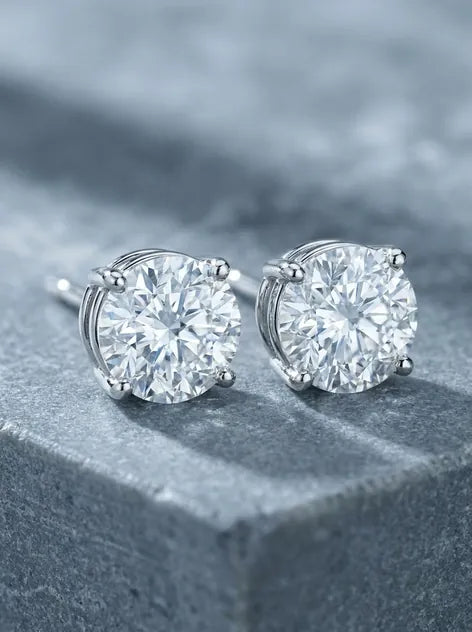
- Round + Round Sides: Three round brilliants deliver even, maximum sparkle across the whole ring. The balanced look is timeless and works with practically any setting. It is the safest choice, and still one of the best.
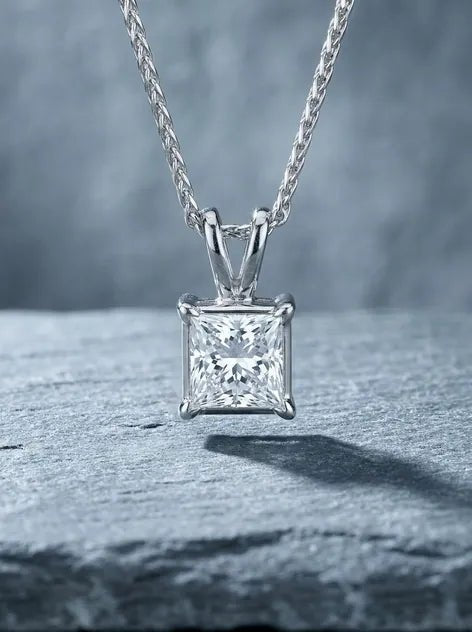
- Princess Center + Baguette Sides: Flat, step-cut baguette side stones frame the crisp square outline of a princess-cut center. The quiet linear sides contrast sharply with the center stone's intense light. The overall effect is sharp, clean elegance.
- Oval Center + Pear Sides: Pointed pear-shaped sides flow naturally out of an oval center, creating a soft, romantic profile that visually lengthens the finger. The tapering shapes also make the main stone appear larger.
- Emerald Cut Center + Trapezoid Sides: Step-cut trapezoids angle outward from the emerald-cut center, matching its long, elegant facets. The combination emphasizes clarity and produces broad, dramatic flashes of light rather than glitter. It reads old-world and refined.
- Cushion Center + Round Sides: Rounded side stones complement the soft corners and antique character of a cushion cut. The pairing keeps the ring bright while preserving a romantic, vintage feel.
- Mixed Shapes: Combining shapes freely is how you get a ring nobody else owns. Trillion side stones, for example, add three-sided geometry that makes the whole design distinctive. The choice of shapes becomes a statement of personal taste.
What Are the Popular Styles of Three-Stone Rings?
The popular styles are the traditional three-diamond trio, colored gemstone centers, accent halo designs, vintage-inspired rings, and contemporary minimalist settings.
- Traditional Three-Diamond Trio: Three colorless diamonds with the largest in the center, the most classic version of the style. A simple prong setting lets in plenty of light. It stands for timeless beauty and heritage.
- Colored Gemstone Center Stone: A rich sapphire, emerald, or ruby anchors the center, with colorless diamonds on either side. The contrast between color and white fire is striking without being loud.
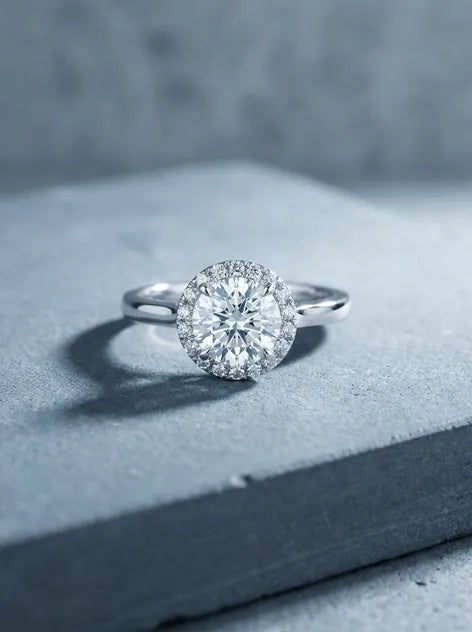
- Accent Halo Three-Stone Designs: A ring of small diamonds encircles the center stone, making it look larger and adding an extra layer of sparkle. The design blends traditional structure with maximum brilliance.
- Vintage-Inspired Three-Stone Rings: Beaded edges, scrollwork, and other Art Deco-era metalwork give these rings the feel of an heirloom, elegant, detailed, and antique in spirit even when newly made.
- Contemporary Minimalist Designs: Straight lines and minimal surrounding metal, often with a smooth bezel encircling each stone's edges. The stripped-down construction shows off the geometry of the three gems for a clean, modern look.
What Are the Best Metals for Three-Stone Rings?
Platinum, white gold, yellow gold, rose gold, and two-tone combinations are the five best metals for a three-stone ring.
- Platinum: Its strength gives the stones the most secure hold of any precious metal. Naturally white, it never needs replating, and it is hypoallergenic enough for sensitive skin worn every day.
- White Gold: A more affordable route to a white metal, made by alloying gold with white metals. It needs fresh rhodium plating every year or two to keep its bright finish.
- Yellow Gold: Warm, traditional, and low-maintenance, available in 14K and 18K purities. The golden tone creates natural contrast against colorless diamonds.
- Rose Gold: Copper in the alloy produces the blush-pink color and adds real strength, with no replating required. The distinctive tone flatters every skin color.
- Two-Tone: A common pairing is a durable platinum head on a yellow gold band. You get the security of the stronger metal where the stones live and the warmth of gold on the hand, the best of both in one piece.
What Center & Side Stone Pairings Work Best?
The best pairings match the stones' color grades, keep the side stones smaller than the center, and choose side shapes that either echo or deliberately contrast the center cut. Matched color keeps the ring looking uniform and bright, while a size step-down makes sure the center gem stays the focal point. Stick to hard gemstones for the sides so daily wear cannot scratch or chip them. When color, size, and hardness are balanced, the result is a durable three-stone ring that looks right from every angle.
How Do You Choose the Right Three-Stone Ring?
Choose a three-stone ring by settling on a style, picking stone shapes deliberately, balancing the proportions, matching the design to your lifestyle, and allocating your budget wisely.
- Choose a Style Preference: Decide on the overall character first. Traditional designs are timeless, vintage designs trade on charm, and modern designs stay sleek and practical for daily wear.
- Select Stone Shapes Wisely: Pick shapes that flatter your hand and suit your taste. Round and oval stones read elegant, while emerald and princess cuts make a bolder geometric statement. The combination sets the ring's visual symmetry.
- Think in Proportions: Keep the center and side stones balanced. The center gem should command attention without overwhelming its companions. Well-judged proportions are what make the design feel resolved rather than busy.
- Suit Your Lifestyle: Match the construction to how you live. Low-set stones in a hard metal like platinum stand up to daily use and stay comfortable through long days.
- Budget Allocation: Split your budget deliberately across the center gem, side stones, and metal. Prioritize cut quality and craftsmanship over raw carat size, that is what makes a ring beautiful for generations.
How Do You Keep Your Three-Stone Ring Sparkling?
Keep a three-stone ring sparkling by washing it regularly, checking the settings, storing it separately, and scheduling professional inspections. Frequent gentle cleaning keeps all three stones bright and clear. Check the prongs and side settings now and then so a loosening stone never becomes a lost one. Store the ring in its own box or pouch to prevent scratches, and have a professional look it over every six to twelve months to catch early wear while it is still easy to fix.