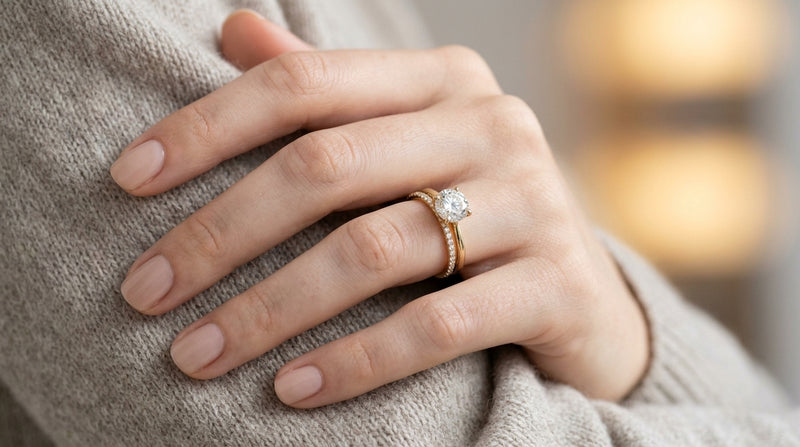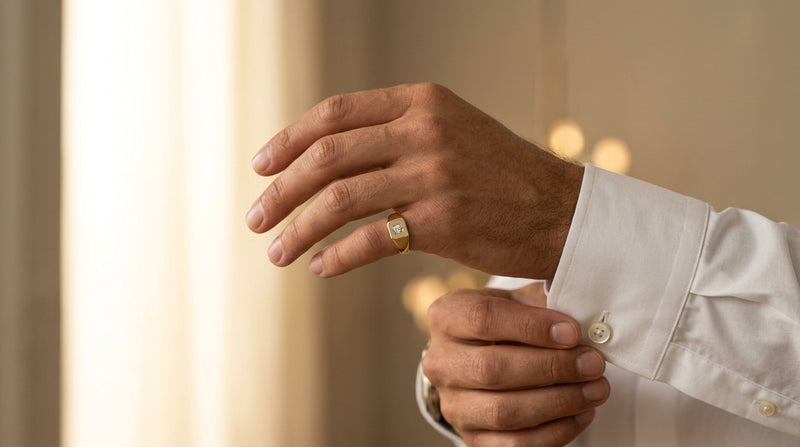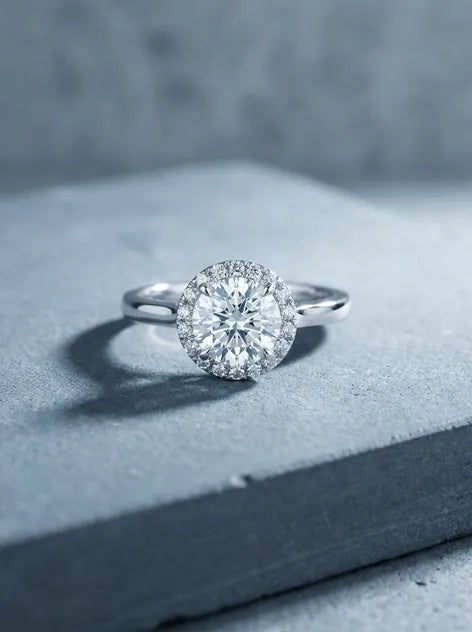
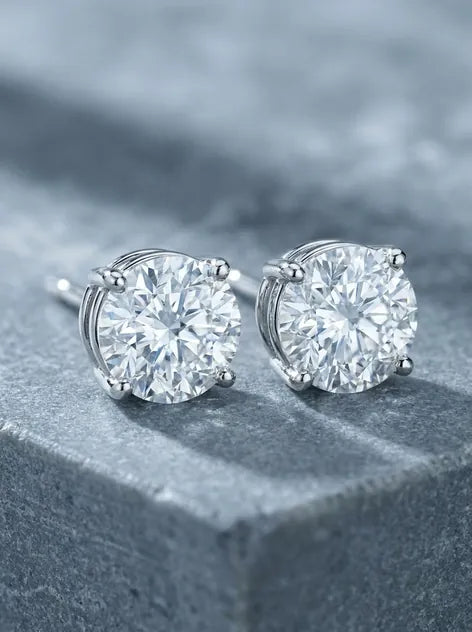
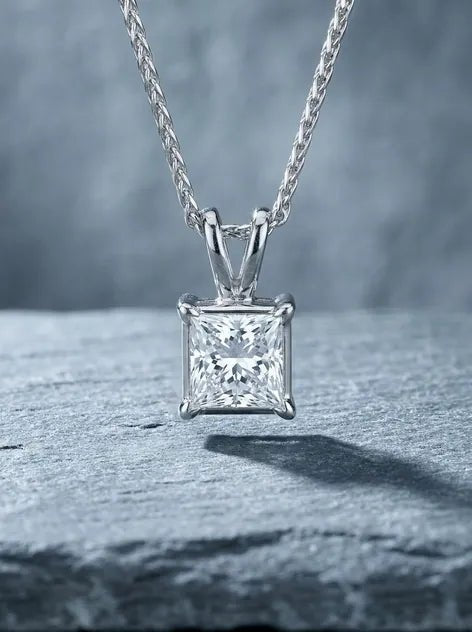


A side-stone ring sets small diamonds into the band on either side of the center stone, framing it and adding sparkle without stealing its spotlight. Each accent catches light as the hand moves, which gives the whole ring more life and charm than a lone stone can manage, and prongs typically hold the side stones tight so they stay put through daily wear. Designers reach for this style for engagement, anniversary, and special-occasion rings because it flatters nearly any center stone, and modern couples continue to choose it for its graceful, radiant look.

What Types of Side-Stone Arrangements Can You Choose From?
You can choose from four side-stone arrangements: single accents, three-stone with accents, full-coverage bands, and clustered sides.
- Single Side Accents: One small stone flanks each side of the center gem, simple, classic, and quietly beautiful. The accents brighten the ring without pulling attention from the main stone.
- Three-Stone + Side Accents: The three principal stones carry real meaning, standing for past, present, and future. Extra accents along the band add another layer of sparkle under changing light.
- Bands with Full Side Coverage: Diamonds run halfway or fully around the band for maximum shine. Brides who want brilliance from every angle tend to land here.
- Clustered Sides: Several small stones group around the center gem, often in floral patterns. The clusters multiply the sparkle and give the design a softer, more decorative character.
Which Stone Shapes Work Best as Side Stones?
Round, baguette, pear, marquise, and trillion shapes work best as side stones.
- Round Stones: The most popular and versatile choice, flattering a round, oval, or nearly any other center shape. They work equally well as principal side stones or as tiny accents scattered along the band.
- Baguette and Tapered Baguettes: Long, rectangular, and clean-cut, baguettes read sleek and modern. They pair especially well with straight-edged center stones for a sophisticated, geometric line.
- Pear or Marquise Accents: Teardrop pears and pointed marquise shapes lend a romantic, unexpected touch. Their curved outlines can even make the finger look longer.
- Trillion Cuts: Bold, triangular trillions bring sharp lines and a contemporary edge. Set beside a straight-edged center stone, they make the whole ring feel architectural.
What Are the Popular Styles of Side-Stone Rings?
The popular styles of side-stone rings are classic, vintage, crescent- or chevron-style, and contemporary minimalist designs.
- Classic Side-Stone Rings: Traditional forms such as three-stone rings and pavé bands. Their familiar, timeless accents keep every eye on the center stone.
- Vintage Side-Stone Rings: Milgrain, filigree, and decorative engraving borrow from earlier eras. The details give the ring a romantic, personal flavor no plain band can match.
- Crescent- or Chevron-Style Sides: Curved or V-shaped accents frame the center stone beautifully. The look is contemporary, well proportioned, and stacks neatly with other rings.
- Contemporary Minimalist Side-Stone Rings: Clean lines, restrained detail, and small, understated side stones. The sparkle stays subtle so the main gem does the talking.
Which Gemstones Pair Well for Side-Stone Enhancements?
Diamonds, sapphires, rubies, emeralds, and moissanite pair best as side stones.
- Diamonds: The most traditional side stone is the diamond. Its unmatched sparkle flatters and boosts any center gem, adding classic character and lasting value to the design.
- Sapphires & Rubies: Both bring rich, saturated color and real toughness. Blue sapphires or red rubies can match or contrast the center stone for a bold, personal, even regal effect.
- Emeralds: Their deep green makes a distinctive vintage or nature-inspired accent. Emeralds run softer than diamonds, so they should be set where they are protected from knocks while still delivering that color contrast.
- Moissanite: A brilliant, tough stone and a popular, budget-friendly alternative to diamond, known for intense fire. Moissanite side stones give any ring a spectacular, and lab-grown, touch.
How to Select the Perfect Side-Stone Ring?
Select the perfect side-stone ring by matching stone quality, keeping proportions balanced, picking a setting style that fits your life, and trying different band widths.
- Match Stone Quality: Side stones should match the center stone's color and clarity as closely as possible. Mismatched stones unbalance the whole ring, while matched ones read as a single unified design.
- Choose the Right Proportion: Accents should complement the center stone, never compete with it. Correctly sized side stones guide the eye toward the main gem and keep the whole ring harmonious.
- Pick a Setting Style: The setting decides both sparkle and practicality. Prongs show the most fire but can snag, while channel and bezel settings are safer and look cleaner, a better fit for busy hands.
- Try on Band Widths: Width changes how a ring feels and reads. A broad band makes a bold statement and a narrow one looks graceful, so try several to find the most comfortable fit for your hand.
How Do You Keep a Side-Stone Ring Sparkling?
Keep a side-stone ring sparkling by washing it with mild soap, warm water, and a soft brush to clear the buildup that collects around small stones. Check the prongs from time to time to make sure every accent is still held firmly. Stay away from strong chemicals that dull or corrode the metal, and store the ring in its own soft pouch so nothing scratches it between wears.