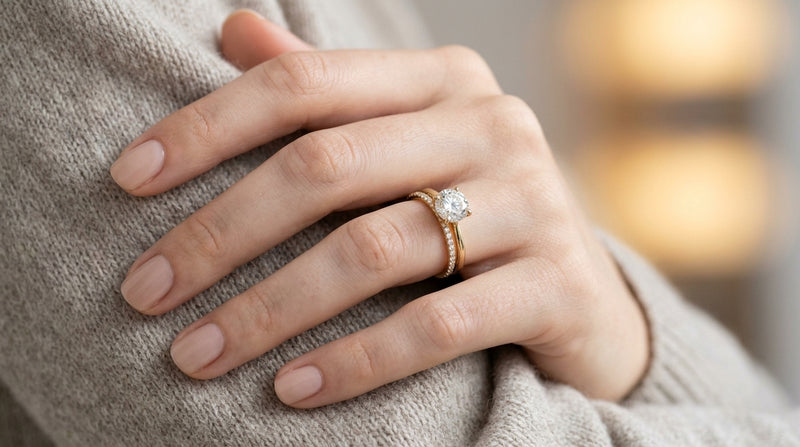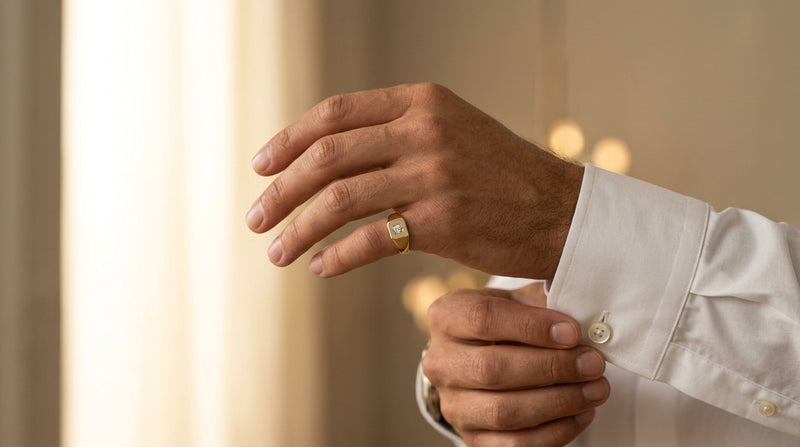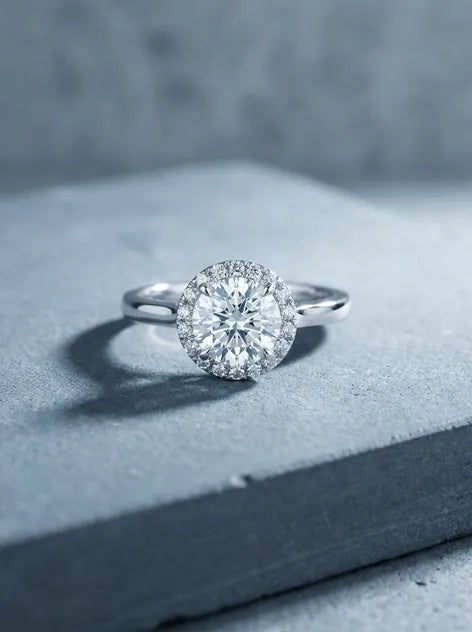
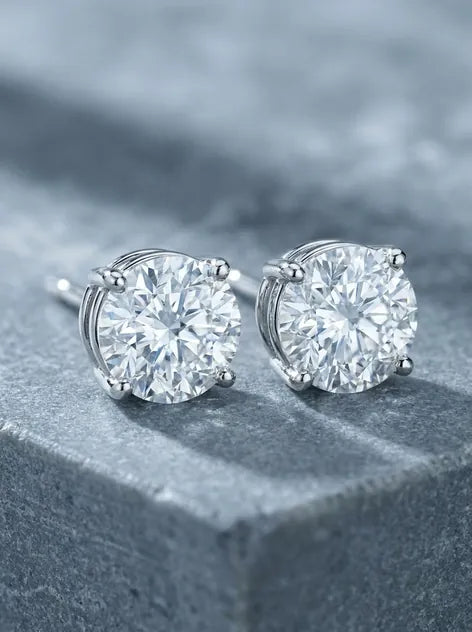
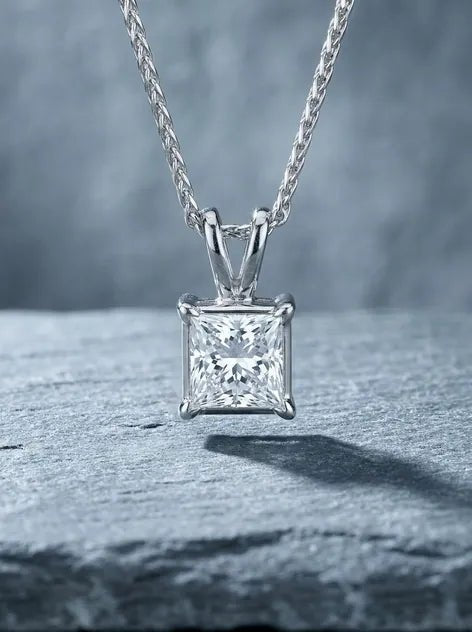


Bezel-set rings hold the stone inside a continuous rim of metal, a design prized for its security and its clean, modern look. The rim shields the stone's edge from knocks, chips, and scratches, and because the stone sits low, nearly flush with the metal, the ring wears more comfortably than a prong setting. The understated style has become a popular update to the classic solitaire ring. Some jewelers add a hidden halo beneath the bezel so the ring throws extra sparkle from the side angles.

What Are the Different Types of Bezel Settings?
Bezel settings come in four types: full, partial, thin, and decorative.
- Full Bezel Setting: Metal encircles the stone completely for maximum protection and a clean, contemporary profile. The trade-off is light, with more metal wrapping the stone, slightly less brilliance escapes it.
- Partial Bezel Setting: The rim leaves sections of the stone's edge open, balancing security with sparkle. Those open sides let in more light and can make the gem appear larger.
- Thin Bezel Setting: A slimmer metal rim keeps the look delicate and understated. It still protects better than prongs, though not as thoroughly as a full bezel.
- Decorative Bezel Setting: Engraving, texture, or patterning worked into the rim gives the ring a personal, handcrafted character. Some jewelers set small accent stones into the bezel itself for extra sparkle.
Which Gemstones Work Best with Bezel Settings?
Diamonds, sapphires, rubies, emeralds, opals, other colored gemstones, and cabochon-cut stones all work well in bezel settings, and the softer the stone, the more the bezel earns its keep.
- Diamonds: The timeless choice, prized for hardness and brilliance and long tied to engagements and weddings. A bezel keeps a diamond's edge safe without dimming its fire.
- Sapphires and Rubies: Both are corundum, one of the toughest gem minerals, so they handle daily wear with ease. A white metal bezel makes their deep blue and red look even richer.
- Emeralds and Opals: These softer stones chip more easily, emeralds because of their internal inclusions, known as jardin, and opals because of their delicate structure. A bezel shields both from knocks, and it protects opal from moisture as well.
- Colored Gemstones: From amethyst to topaz, a bezel frames a colored stone the way a mat frames a picture. The rim creates crisp contrast that sharpens the stone's color.
- Cabochon-Cut Stones: Smooth, domed, and unfaceted, cabochons sit flush in a bezel as if the two were made for each other. The rim follows their outline cleanly and plays up their color and polish.
What Are the Popular Metal Choices for Bezel-Set Rings?
Platinum, white gold, yellow gold, rose gold, and sterling silver are the five most popular metals for bezel-set rings.
- Platinum: Durable and hypoallergenic, platinum suits an active lifestyle, and its natural silvery-white color never needs replating. Over the years it develops a soft patina, which can be polished away or kept for a vintage look.
- White Gold: A gold alloy blended with white metals such as palladium, it gives a bright, modern finish at a lower cost than platinum. Expect periodic rhodium replating to keep the color crisp.
- Yellow Gold: Warm and traditional, it pairs beautifully with light-colored gems for a vintage-inspired look. Karat matters here: 18k is richer in color but softer, while 14k stands up better to daily wear.
- Rose Gold: Copper gives rose gold its blush tone and extra strength. The result blends yellow gold's warmth with a softer, more romantic hue, though the copper can irritate very sensitive skin.
- Sterling Silver: The most affordable option, with a clean, sleek look. It is lighter and softer than the other metals, so it picks up scratches and tarnish more readily.
Why Choose a Bezel Setting for Your Ring?
Choose a bezel setting for five reasons: it holds the stone more securely than prongs, protects it from damage, looks clean and modern, wears comfortably, and makes the stone's color read brighter.
- Enhanced Security: The rim grips the stone around its full edge, not at four or six points. With no prongs to bend or wear thin, the risk of losing the stone drops sharply.
- Protection from Damage: Metal absorbs the bumps and knocks of daily life before they reach the stone. That matters most for softer gems such as opal and emerald.
- Modern Appeal: Sleek lines and a smooth finish give the ring a refined, minimalist character. It dresses up or down with equal ease.
- Comfort Fit: Smooth edges glide past clothing, gloves, and hair instead of snagging. It is one of the most practical settings for a daily-wear ring.
- Highlight Colors: The metal frame around the stone adds built-in contrast. Against the rim, the gem's color looks brighter and more defined.
Can You Customize a Bezel-Set Ring?
Yes, nearly every element of a bezel-set ring can be customized, from the shape of the rim to the metals and detailing. The bezel itself can be round, oval, square, or hexagonal, and that outline changes the whole character of the finished ring. Mixing metals adds visual contrast; a white diamond framed in platinum or white gold is the classic pairing. The rim can carry engraving, accent stones, or milgrain detailing for a period feel. And while the bezel reads classic on its own, it combines well with a halo or pavé band when you want extra brilliance.
How Do You Care For and Maintain a Bezel-Set Ring?
Wash a bezel-set ring regularly with warm, soapy water and a soft brush to keep dirt from building up along the rim. Skip harsh chemicals, in cleaning products and in your daily routine alike, since they dull the metal's shine. Have a jeweler check the bezel from time to time to confirm the stone is still seated tightly, and store the ring on its own so other pieces cannot mark or scratch it.