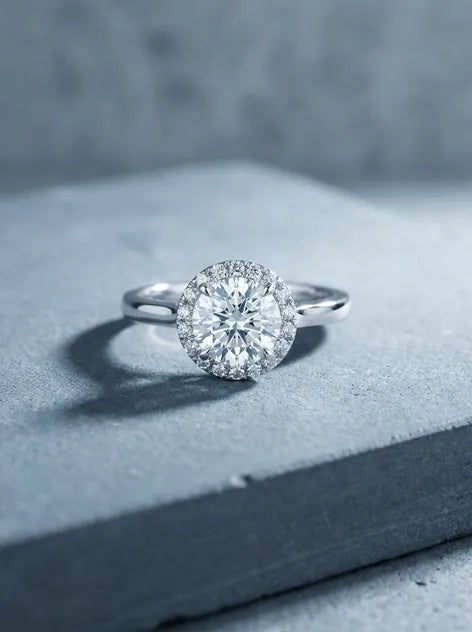
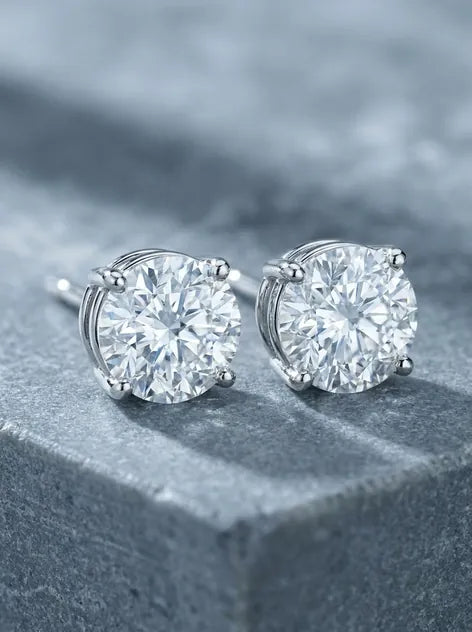
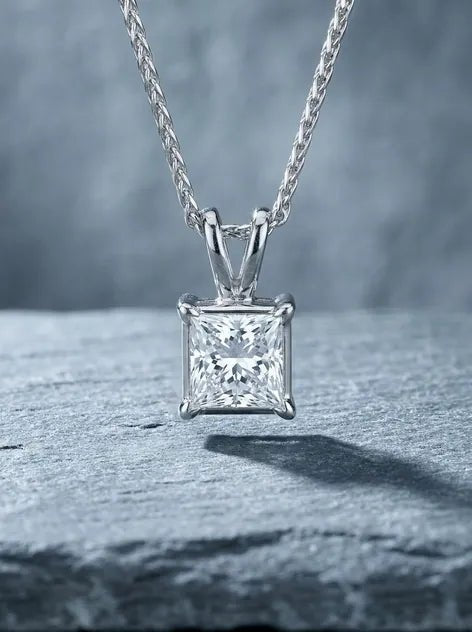


Halo rings encircle a central gemstone with a ring of smaller accent stones, the "halo", that magnifies the brilliance and apparent size of the center gem. The style traces back to the Georgian and Victorian eras and has come to symbolize eternity, unity, and enduring love. Halo designs are also unusually versatile: both the center stone and the surrounding halo can be customized, so the same basic idea can produce anything from a quiet classic to a showpiece.

What Are the Different Types of Halo Rings?
The six different types of halo rings are classic, double, hidden, floral, geometric, and colored gem halos.
- Classic Halo: A single circle of small stones surrounds the main gem, the traditional form of the style. Viewed from the top, the halo makes the center stone look larger and noticeably brighter.
- Double Halo: Two concentric circles of stones frame the center gem for a bolder, more dramatic design. Triple-halo versions push the effect even further.
- Hidden Halo: The accent stones sit below the main diamond, invisible from the top. The reward is a flash of unexpected sparkle whenever the ring is seen in profile.
- Floral Halo: Inspired by Edwardian and Victorian design, these halos arrange the stones into petals, hearts, and other organic shapes. The result is softer and more romantic than a plain circle.
- Geometric Halo: Octagonal, hexagonal, and cushion-shaped outlines give the halo an architectural edge. The look nods to the Art Deco period, when geometry ruled ring design.
- Colored Gem Halo: Sapphires, rubies, or emeralds in the halo add color and contrast around a white center stone, or the reverse, with white diamonds framing a colored gem.
What Metals Best Complement Halo Rings?
Platinum, white gold, yellow gold, rose gold, and two-tone combinations are the five metals that best complement a halo ring.
- Platinum: Durable and naturally white, platinum keeps its shine without rhodium plating. That makes it easier and cheaper to maintain over the life of the ring than white gold.
- White Gold: A brightness close to platinum at a friendlier price. It needs periodic replating to hold its silvery finish over the long term.
- Yellow Gold: Alloyed to 14K or 18K for durability, yellow gold brings warmth and a vintage character that suits halo designs especially well.
- Rose Gold: The copper in the alloy makes rose gold notably durable, though it can irritate very sensitive skin. Its blush tone gives a halo ring a soft, romantic cast.
- Two-Tone Metals: Mixing metals in one design, a distinct metal at the band center, for instance, draws the eye and sharpens the sparkle right where you want it.
What Gemstones Work Best for Halo Rings?
Diamonds, sapphires, morganite, emeralds, and moissanite are the five gemstones that work best in halo rings.
- Diamonds: The durable, classic choice. A white diamond center ringed by colored gems, or the other way around, creates crisp visual contrast.
- Sapphires: Blue stones symbolizing trust and loyalty, with a hardness of 9 on the Mohs scale. Fancy colors like yellow, pink, and green widen the options well beyond royal blue.
- Morganite: A soft pink stone scoring 8.5 to 9 on the Mohs scale. Paired with a rose gold band, it produces one of the most popular modern halo looks.
- Emeralds: Rich green stones that pair beautifully with white diamond halos. They stand for harmony, growth, and new beginnings.
- Moissanite: An affordable, ethical alternative whose sparkle rivals diamonds. It is highly durable and resists scratching, making it practical for daily wear.
What Are the Popular Halo Ring Setting Styles?
The five popular halo ring settings are prong, bezel, pavé, split shank, and cathedral.
- Prong Halo Setting: Metal claws hold each stone with minimal coverage, maximizing brilliance. The exposed edges are the trade-off, they are more prone to snags and knocks than enclosed settings.
- Bezel Halo Setting: A continuous rim of metal encloses the stones for a smooth, clean finish. It protects the halo far better than prongs, at the cost of a little light.
- Pavé Halo Setting: From the French for "paved," this setting holds the stones with tiny metal beads. Very little metal shows, so the halo reads as an unbroken band of light.
- Split Shank Halo: The band divides into two strands as it approaches the halo. That small gap adds style and visually balances the weight of a standard or double halo.
- Cathedral Halo: Arches lift the halo and center stone to a dramatic height, adding architectural elegance and presence on the hand.
How Do You Choose the Perfect Halo Ring for Your Style?
Choose a halo ring by matching the design to your style: romantic, modern, classic, glamorous, or minimalist.
- Romantic: Cushion-cut centers and floral halo designs deliver soft, sentimental detail. An oval stone set in rose gold completes the vintage mood.
- Modern: A hidden halo beneath a geometric center stone keeps the top view sleek while saving the sparkle for the side profile.
- Classic: A larger round or oval center inside a single halo is the enduring version of the style, balanced, bright, and never dated.
- Glamorous: Double halos and colored stones turn up the drama for evenings and events. This is the halo at full volume.
- Minimalist: Understated elegance over maximum sparkle. Here too, a hidden halo is the smartest play, quiet from above, rewarding up close.
When Should You Gift or Wear a Halo Ring?
Halo rings suit four occasions especially well: engagements, anniversaries, special celebrations, and heirloom giving.
- Engagements: The halo's circle-within-a-circle design carries the same message as the proposal itself, enduring love, commitment, and a new beginning, with extra brilliance to mark the moment.
- Anniversaries: The unbroken ring of stones around the center gem mirrors the continuous journey a couple has shared. It is a natural milestone gift.
- Special Occasions: Graduations, career milestones, and formal events all justify a ring with this much presence. A halo holds its own in any room.
- Heirloom Jewelry: With roots in the Edwardian and Victorian eras, the halo design ages gracefully, a strong candidate for a piece meant to pass down through generations.
How Do You Care for and Maintain a Halo Ring?
Care for a halo ring by cleaning it weekly with warm water and a little mild soap to prevent buildup. Work a soft-bristle brush gently around the halo, where dirt and oils tend to collect between the small stones. Keep the ring away from harsh chemicals that dull gemstones, and store it in a soft, padded box so nothing scratches the settings. Twice a year, have a professional clean and inspect it, small halo stones are the first to work loose, and a quick check keeps every one of them in place.