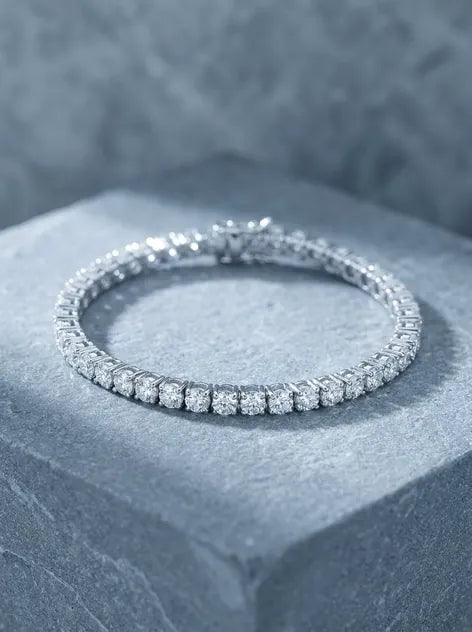
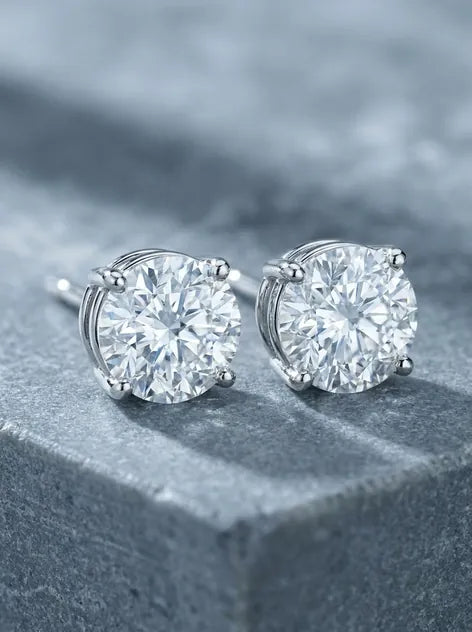
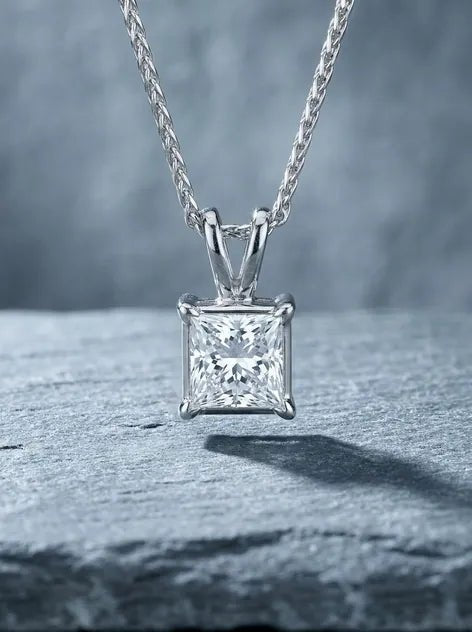


Heirloom rings are personal artifacts passed from one generation to the next, carrying historical, sentimental, or cultural weight along with them. A ring like this arrives with stories attached, and families often hand one down at a wedding, an engagement, or another milestone. The gesture stands for enduring love, lineage, and legacy. Many heirloom rings are antique or vintage pieces, made with gemstones, cutting styles, and metalwork techniques of an earlier era. The metal and stones have market value of their own, but what makes an heirloom irreplaceable is the memory of the people who wore it first.
What Are the Different Types of Heirloom Rings?
Heirloom rings fall into six types: vintage, antique, family engagement rings, inherited wedding bands, gemstone rings, and custom redesigns.
- Vintage heirloom rings: Rings between roughly 50 and 100 years old count as vintage rings, spanning styles from the Retro period of the 1940s and 50s through the mid-century decades. Intricate filigree work and period-specific cuts mark them as products of their era.
- Antique heirloom rings: Once a ring passes 100 years old it becomes antique, and the most collectible examples come from the Victorian era, the Edwardian era, and the Art Deco period. Ornate yellow and rose gold settings signal Victorian work (1837–1901), while Edwardian rings are known for delicate platinum filigree and a light, lace-like appearance.
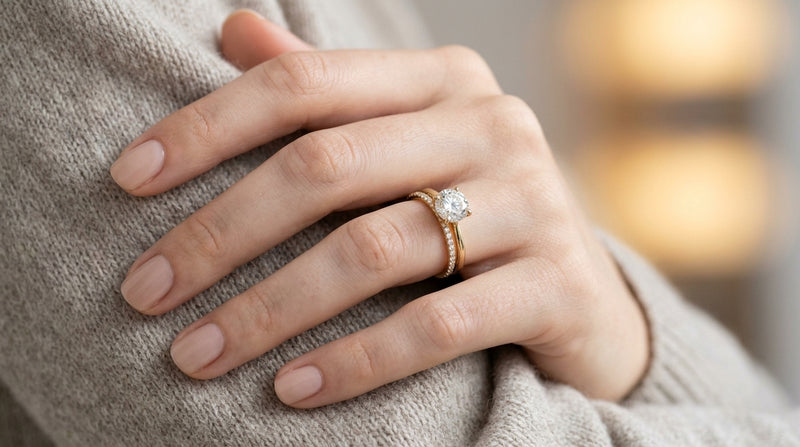
- Family engagement rings: Passed down when a new engagement arrives, these carry more emotional weight than almost any other jewelry, proposing with a grandmother's ring is close to priceless. Have a professional jeweler inspect and tighten the ring before it changes hands.
- Heirloom wedding bands: A plain, unbroken circle of metal handed down through generations says everything a gem-set ring says, without the gems. The simplicity is the point: an uninterrupted line of commitment running through the family.
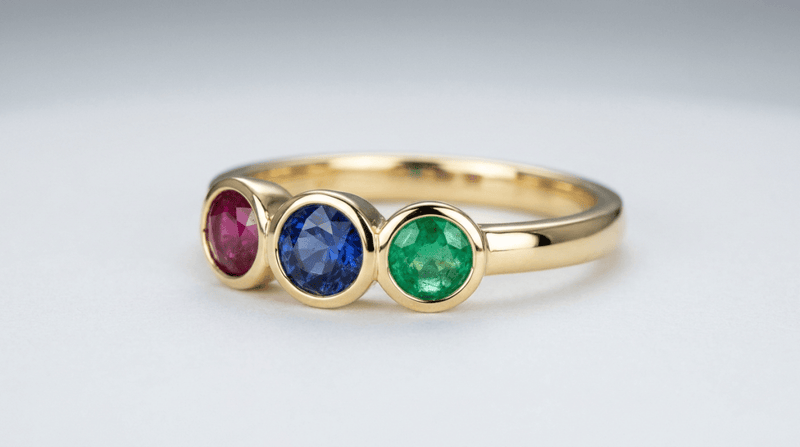
- Gemstone heirloom rings: Here the stones carry the meaning. Sapphires stand for loyalty and trust, emeralds for growth and new beginnings, and rubies for passion, courage, and protection, so the stone a family chose often tells you something about the person it honored.
- Custom heirloom creations: Not everyone loves vintage styling, and a jeweler can rework an old piece rather than retire it. Using the original metal and stones, a redesign keeps the family history in a ring the new wearer will actually wear.
Which Materials Are Commonly Found in Heirloom Rings?
Heirloom rings most commonly contain gold, platinum, or sterling silver, set with precious gemstones and finished with filigree or other handcrafted detail.
- Gold (yellow, white, rose): Gold has always been the default. Yellow gold dominated the Victorian and Retro periods, often in high karats for a richer, warmer color, though the higher the karat, the softer the metal. Rose gold's pinkish tone added a romantic note to mid-Victorian and Retro pieces, and white gold emerged in the Edwardian and Art Deco years as an alternative to platinum.
- Platinum: Prized in the Edwardian and Art Deco eras for its strength and natural white color, platinum let jewelers execute fine, intricate work that soft gold could not support. Many of the most delicate antique settings survive today only because they were made in platinum.
- Sterling silver: Softer than gold or platinum, silver rarely served as an engagement or wedding metal; it appeared instead in fashion pieces and regional or cultural styles. Its bright luster and accessibility kept it in steady use.
- Gemstones: Families chose stones for hardness and symbolism alike. Diamond, the hardest stone, colorless, a symbol of enduring love, anchors many heirloom rings, while blue sapphires signal loyalty and trust. Softer gems like opal, topaz, and pearl were also popular for their color.
- Filigree or handcrafted details: Filigree work twists fine threads of gold or silver into lace-like patterns, a signature of older craftsmanship. Milgrain borders and hand-carved motifs give these rings a texture that modern machine production rarely matches.

How to Determine the Value of an Heirloom Ring?
Determine an heirloom ring's value by having a certified jeweler grade the gemstones on the 4Cs, assess the metal and craftsmanship, and check for maker's marks. The 4Cs, clarity, cut, color, and carat weight, set the gemstone's worth; in a diamond, less color and fewer inclusions mean a higher grade. The metal type and the quality of the work on it drive the ring's intrinsic value. Finally, look inside the band for a stamp or signature: a production year or a recognized maker's name can raise the ring's worth considerably.
How to Preserve and Care for an Heirloom Ring?
Preserve an heirloom ring with gentle cleaning, separate storage, careful handling, and a yearly professional checkup. Wash it in lukewarm water with a mild soap, using a soft cloth or soft-bristle brush to lift trapped particles, and keep harsh chemicals away, they dull old metal and can harm fragile stones. Store the ring on its own, in a pouch or its own box compartment, so harder pieces never scratch it. Take it off for exercise, swimming, cleaning, and gardening. Once a year, have a jeweler inspect the stones and prong settings, and keep photos and documents on file so the ring's history travels with it.
How to Modernize or Redesign an Heirloom Ring?
Modernize an heirloom ring by resetting the center stone, rebuilding a fragile mounting, or blending old materials with new ones. Moving the original gemstone into a new setting can turn a heavy vintage design into something minimalist. If the wearer loves the original look but the ring is too fragile for daily wear, a jeweler can rebuild the existing design with stronger construction. Another route is a hybrid: combine new metal or stones with the originals. Whatever the approach, keep the elements that carry the meaning, that is what makes it an heirloom rather than raw material.
How to Choose the Right Heirloom Ring for Your Occasion?
Choose an heirloom ring by weighing its story first, then confirming the metal is skin-safe, the construction is sound, the size can be adjusted, and the style suits the wearer. The emotion behind the ring is its primary value, so start there. Older rings sometimes use alloys that irritate skin, verify the metal composition if the wearer has a known allergy. Confirm the ring can handle daily wear, and if resizing is needed, use a jeweler experienced enough to preserve the original structure; a good one will explain which adjustments are safe. Last, be honest about style. An heirloom that gets worn beats one that stays in the box, so adapt it if the original design doesn't fit the wearer's taste.