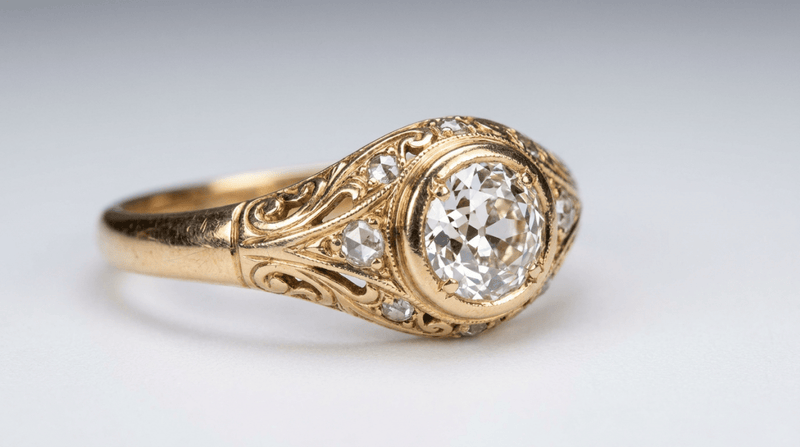



A mother's ring is a personal, symbolic piece of jewelry that celebrates the bond between a mother and her children. Most designs build that meaning in directly, through birthstones, an engraving of a child's initials or a significant date, or a motif like a heart or family tree. The stones are often arranged by the children's ages or in a pattern chosen for looks alone. Jewelers make these rings in sterling silver, white, yellow, and rose gold, and platinum, and families give them on Mother's Day, birthdays, anniversaries, or to mark a new baby.
What Are the Different Types of Mother's Ring Designs?
Mother's rings come in seven main designs: birthstone rings, engraved name rings, stackable sets, infinity or heart motifs, family tree rings, band styles, and two- or three-stone designs.
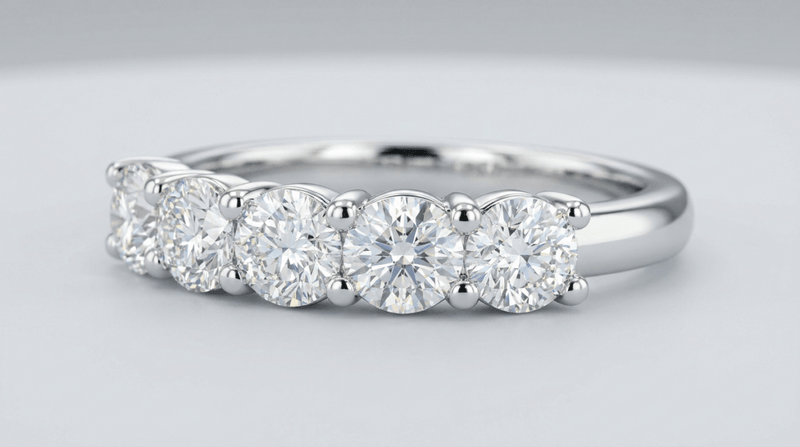
- Birthstone rings: The classic version sets a row of gemstones, one for each family member's birth month. Arrange the stones by birth order, by age, or simply in whatever sequence looks best.
- Engraved name rings: Initials, names, or meaningful dates cut into the band, inside or out, make the ring unmistakably hers. These engraved rings pair naturally with birthstones for a double layer of meaning.
- Stackable mother's rings: One slim ring per child, worn together as a set that grows with the family. Stackable rings allow the most customization of any design here, and each band still works worn on its own.
- Infinity or heart-themed rings: A shaped motif carries the message, most often the figure-eight infinity symbol with stones set into its loops. The symbol reads as everlasting love and an unbroken bond.
- Family tree rings: Built for larger families and a favorite gift for grandmothers, these designs work stones into the branches and leaves of a tree. One ring can represent an entire lineage while standing for growth, strength, and connection.
- Band-style mother's rings: Stones sit channel-set or flush within the band for a quiet, understated look. The low profile makes this the most comfortable choice for a mother who wears her ring all day, every day.
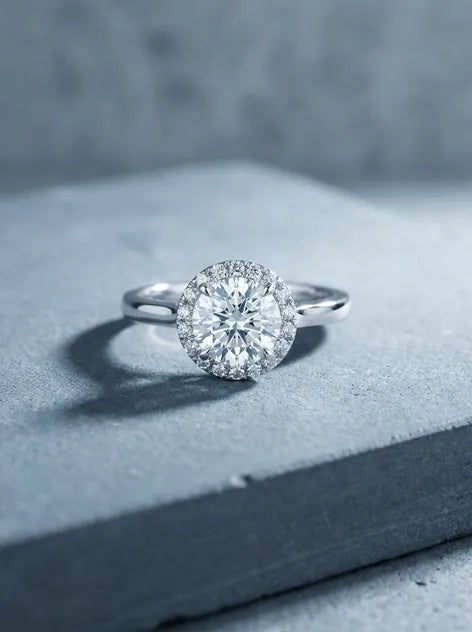
- Two-stone or three-stone designs: A small count of stones can say a lot, two for a parent and child, three for the kids, or a center stone for the mother flanked by stones for her children. The compact layout keeps the ring simple without losing the story.

Which Materials Are Commonly Used in Mother's Rings?
Mother's rings are most commonly made from sterling silver, gold, or platinum, set with birthstones, diamonds, or cubic zirconia, with gold-filled and vermeil versions as budget options.
- Sterling silver: Affordable and versatile, silver gives a cool, sleek look at the lowest price point. It is softer than gold or platinum, so it picks up scratches and tarnishes when exposed to air and moisture, plan on regular polishing.
- Gold (yellow, white, rose): The traditional choice, alloyed with other metals for strength since pure gold is too soft for daily wear; the higher the karat, the softer the metal. Yellow gold reads warm and timeless, white gold serves as an affordable alternative to platinum, and rose gold, the most durable of the three thanks to its copper, brings a distinctive pinkish hue.
- Platinum: Dense, naturally white, and hypoallergenic, platinum resists scratches and tarnish and never needs rhodium replating. Over the years it develops a soft patina, which can be polished away or kept for a vintage look. For a mother with sensitive skin, it is the safest metal on this list.
- Gold-filled or vermeil options: Both deliver the look of gold for less. Gold-filled pieces bond a gold layer over a base metal such as brass, while vermeil is a thick layer of at least 10k gold over sterling silver. The one caveat: heavy wear can eventually rub through the outer layer.
- Birthstones: A colored stone for each child's birth month is the heart of most mother's rings, ruby for July, peridot for August, and so on. Lab-created stones are chemically identical to mined ones and cost less, so the choice comes down to preference and budget.
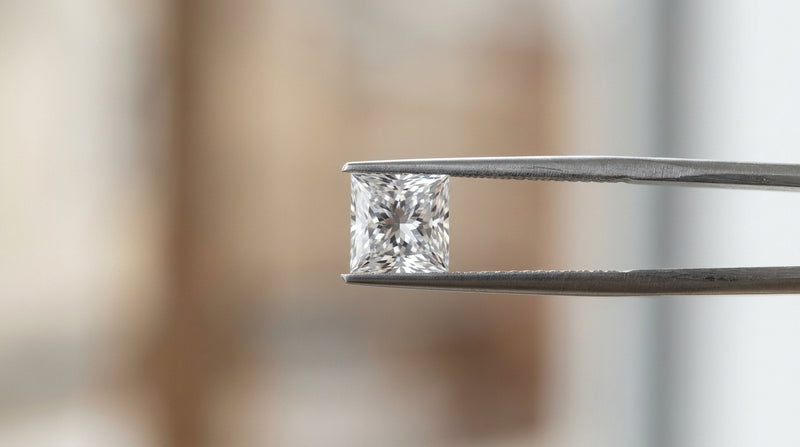
- Diamonds or cubic zirconia: Colorless stones work as accents around the birthstones or in place of them, and diamonds often serve as spacers between colored gems thanks to their durability. Cubic zirconia delivers similar brilliance at a fraction of the price.
How to Choose the Best Mother's Ring for Your Family?
Choose a mother's ring by deciding who it will represent, then matching the metal, design, and fit to the way she actually lives. Start with the family question: which children, or generations, get a stone, and could the family still grow? If it might, stackable rings leave room to add bands later. Pick a metal that suits her routine; platinum holds up best for an active lifestyle. Then settle the style, minimalist, modern, classic, or vintage, and make sure the design is comfortable enough for daily wear. A plain, smooth interior on the band goes a long way there.
How to Personalize a Mother's Ring?
Personalize a mother's ring with engraving, symbolic shapes and stones, mixed metals, or a hidden detail only she knows about. Engraving is the most direct route: initials, names, or a date that matters. Symbols do similar work, infinity signs, hearts, family trees, or interlocking bands set with birthstones each carry their own meaning. Mixing metals adds another layer; platinum combined with rose gold, for example, warms the band's natural white with a pinkish glow. The most memorable touch is often the quietest: a small symbol or message hidden inside the band, meant for her eyes only.