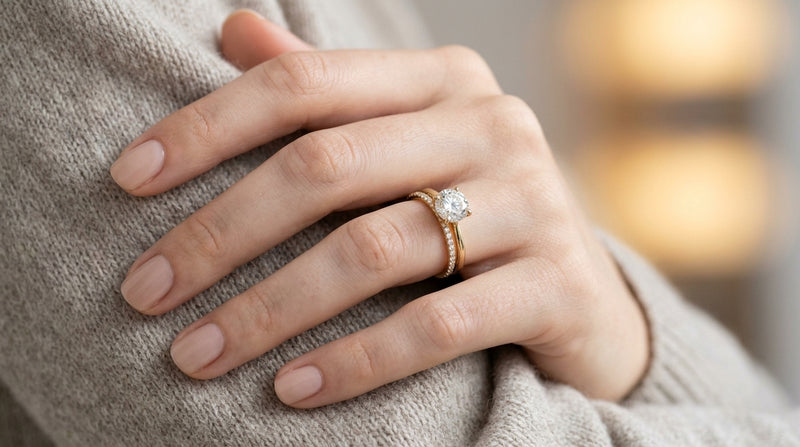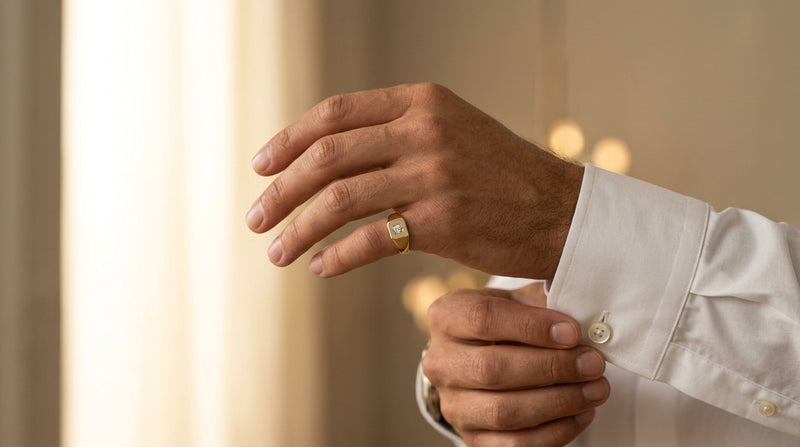
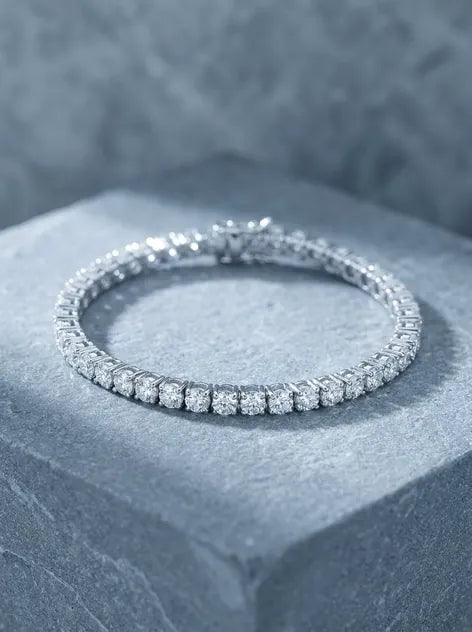
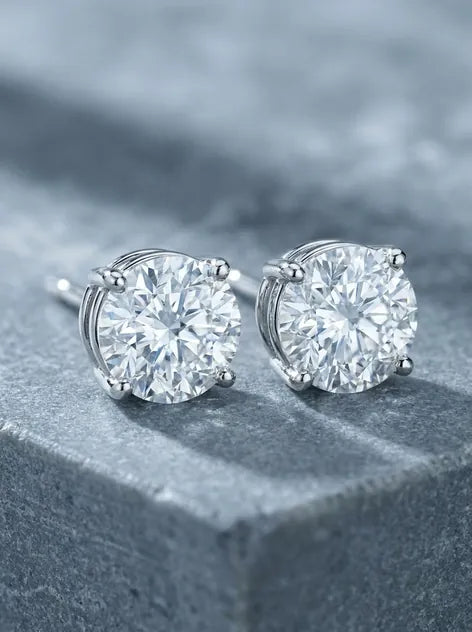
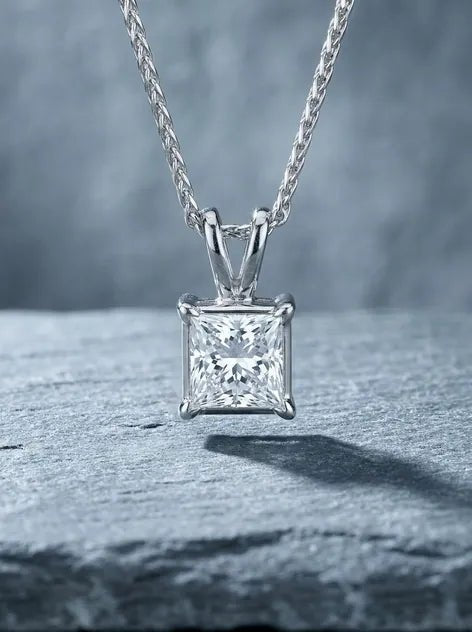


Cluster-set rings group several smaller diamonds or gemstones tightly together so they read as one large, brilliant stone. The effect delivers the presence of a big diamond at a fraction of the cost, which is why couples shopping on a budget keep coming back to the style. Prongs or bezels hold every stone securely, and jewelers arrange the clusters as flowers, starbursts, halos, and geometric patterns. Mixing shapes and sizes, say, a round center circled by contrasting cuts, adds even more sparkle and individuality, and the style's vintage character has kept it a steady favorite among brides.

What Are the Different Types of Cluster-Set Rings?
The five main types of cluster-set rings are classic, halo, floral, side-cluster, and geometric designs.
- Classic Cluster Rings: Small gems pack tightly into one round or oval shape that mimics a single large stone. The look is timeless, works for any occasion, and draws maximum sparkle from modest stones.
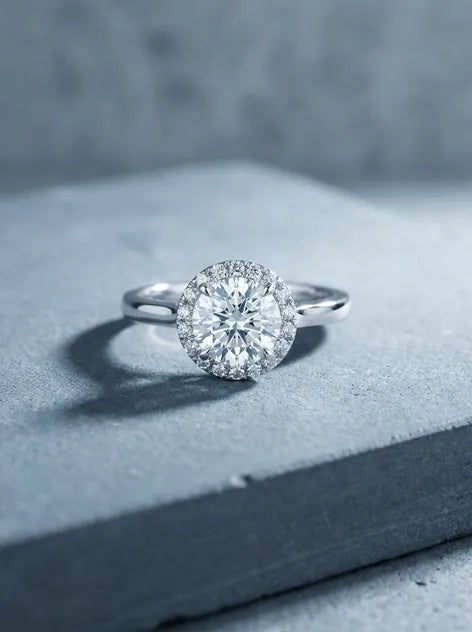
- Halo Cluster Rings: A border of smaller stones rings the center stone, creating a bright circle of light. The halo makes the middle stone look bigger, protects its edge, and suits engagement rings especially well.
- Floral Cluster Rings: Stones arranged as petals give the ring a romantic, vintage feeling. Designers often mix stone shapes within the flower for texture, and the result reads distinctly feminine and handmade.
- Side Cluster Rings: Instead of one large center cluster, small groups of stones sit along the sides of the band. The detail stays understated, which makes this style a graceful wedding band.
- Geometric Cluster Rings: Squares, hexagons, and other sharp-lined shapes give these rings a clean, modern character. They appeal to anyone drawn to artistic, architectural jewelry.
What Gemstones Work Best for Cluster Settings?
Diamonds work best in cluster settings, with sapphires, rubies, emeralds, opals, pearls, and mixed-gem combinations close behind.
- Diamonds: The traditional cluster stone, and for good reason. Many small diamonds together create the look of one large stone at a much lower cost, and diamond's hardness makes the ring safe for everyday wear.
- Sapphires and Rubies: Both bring saturated color and serious durability. Sapphires come in blue, pink, and many other shades, rubies in rich red, and either one contrasts beautifully with white diamonds.
- Emeralds, Opals and Pearls: Emeralds add vivid green, opals a shifting play of color, and pearls a classic, old-fashioned grace. All three are softer than diamonds or sapphires, so they need gentler handling and more careful cleaning.
- Mixed Gemstones: Combining stones, warm rubies beside cool sapphires, for example, produces a truly individual ring. Shapes can be mixed along with the colors for even more visual appeal.
What Metals Best Complement Cluster-Set Rings?
White gold and platinum, yellow gold, and rose gold are the three metal choices that best complement cluster-set rings.
- White Gold and Platinum: Both give a cool, bright backdrop that amplifies diamonds and colored gemstones alike. White gold reads smooth and modern, while platinum adds natural whiteness and exceptional durability.
- Yellow Gold: The classic ring metal, warm and inviting in tone. It flatters most gemstones and gives a cluster design a timeless, slightly vintage grace.
- Rose Gold: Its pink tone reads romantic, and the copper in the alloy makes it genuinely strong. Rose gold suits nearly every skin tone and lends the ring warmth and softness.
How Do You Choose the Right Cluster-Set Ring?
Choose a cluster-set ring by matching the style to your personality, checking how securely the stones are set, weighing your lifestyle, pairing the metal to your skin tone, and setting a budget before you shop.
- Select a Style That Suits Your Personality: Floral clusters fit romantics, geometric layouts fit modern tastes, and classic round clusters fit anyone who wants easy, timeless elegance. Start from the style, then choose the stones.
- Check Stone Security: Press gently on each stone and make sure nothing shifts. Strong prongs or bezels keep small stones from loosening, and that matters in a ring holding a dozen or more of them.
- Consider Your Lifestyle: Busy hands need a low-profile cluster that will not catch or take hard impacts. Taller, raised clusters are showier and better saved for formal events and special occasions.
- Match Metal to Skin Tone and Design: White metals flatter cool undertones, yellow gold flatters warm ones, and rose gold works across both. Pick the metal that also serves the gemstone colors in the cluster.
- Establish a Budget: Set your limit before you start looking. Cluster rings vary widely in cost with the gems, metal, and workmanship, and a clear number makes it easier to balance quality, style, and affordability.
What Customization Options Are Available?
Cluster-set rings can be personalized almost without limit, the stone combinations, cluster shapes, and patterns are all yours to choose. Colored gemstones can be arranged into birthstone patterns or other symbolic layouts. A hidden halo, fine engraving, or small side clusters add extra beauty and private meaning. Every detail you choose makes the ring more personal and more emotional to give.
Are There Any Downsides to Cluster-Set Rings?
Yes, cluster-set rings demand more upkeep than single-stone designs. The many small crevices between the stones trap dirt easily, so the ring needs frequent cleaning to keep its shine. A poorly set cluster can loosen when the ring takes a hard knock, and even a well-made one benefits from periodic professional checks to keep every stone secure and the structure sound.
How Do You Care For and Maintain Cluster-Set Rings?
Wash a cluster-set ring about once a week with mild soap and warm water, and have the settings inspected every six to twelve months. Take the ring off for sports, gardening, and heavy manual work, with many small stones in one setting, a single hard hit can do a lot of damage at once. Consistent care keeps the cluster bright and the stones where they belong for the long term.