

A birthstone ring carries the gemstone tied to the wearer’s birth month, which makes it one of the most personal pieces of jewelry you can give. The design can center on a single stone or gather several stones for extra color and sparkle. Beyond marking a birthday, these rings connect the wearer to a tradition that spans centuries, and they suit anniversaries, graduations, and other milestones just as well.
Birthstones trace back to ancient sources, including biblical texts. The twelve stones on the high priest’s breastplate were linked to the twelve tribes of Israel, and Roman and Hindu traditions tied particular stones to seasons of the year. The custom of wearing one stone for your own birth month took hold in 18th-century Poland. In 1912, the national association of American jewelers adopted a standardized list matching each month to its stone, and that list still guides jewelers today. Some buyers follow the tradition closely; many others simply wear birthstone rings as everyday fashion pieces.

What Are the Different Types of Birthstone Rings?
The five main types of birthstone rings are solitaire, multi-stone family, cluster or halo, stackable, and engraved custom designs. Here is what sets each apart:
- Solitaire Birthstone Rings: A single stone sits at the center of the band, representing the wearer’s birth month. The look is timeless and minimal, easy to wear every day. Many solitaire birthstone rings even do double duty as engagement rings.
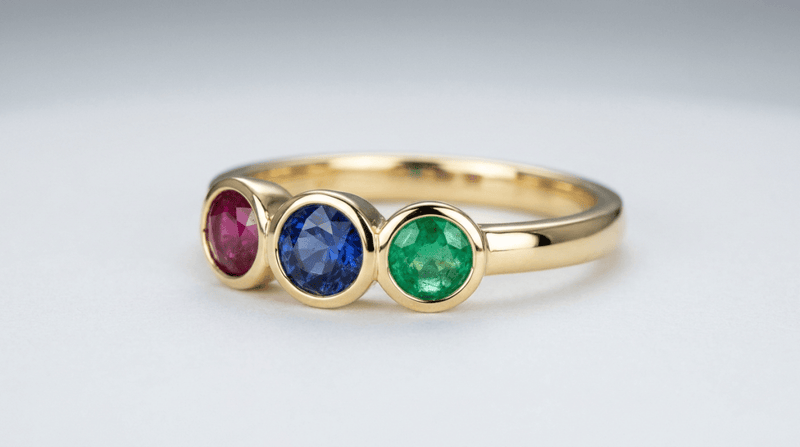
- Multi-Stone Family Rings: Several stones share one band, each representing a family member. Mothers and grandmothers receive these most often, and the rings tend to become keepsakes that stay in the family.
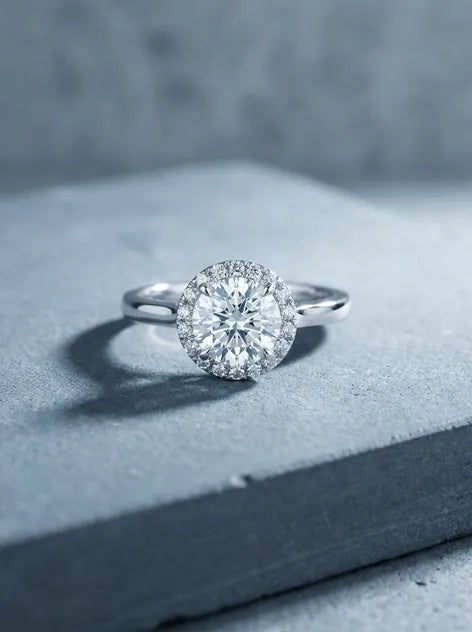
- Cluster or Halo Birthstone Rings: Small accent stones circle a larger center stone to build brilliance and presence. This style suits formal occasions and anyone who wants a ring that gets noticed.
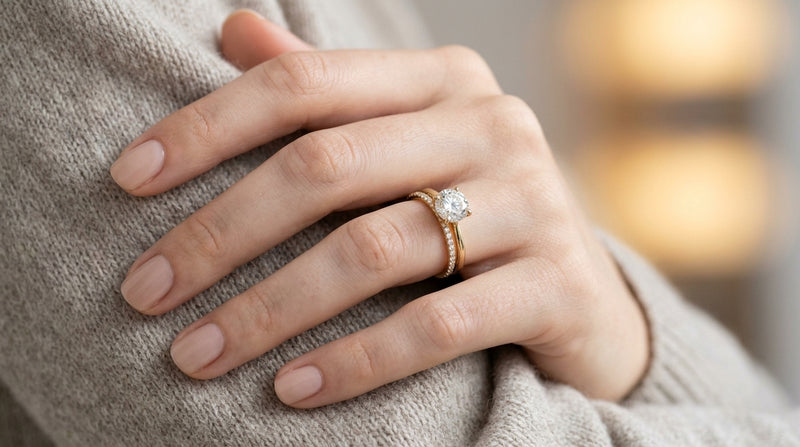
- Stackable Birthstone Rings: Each slim band holds a single stone and layers with others on the same finger. You can add a band for every child or milestone, and mix metals for a look that is entirely your own.
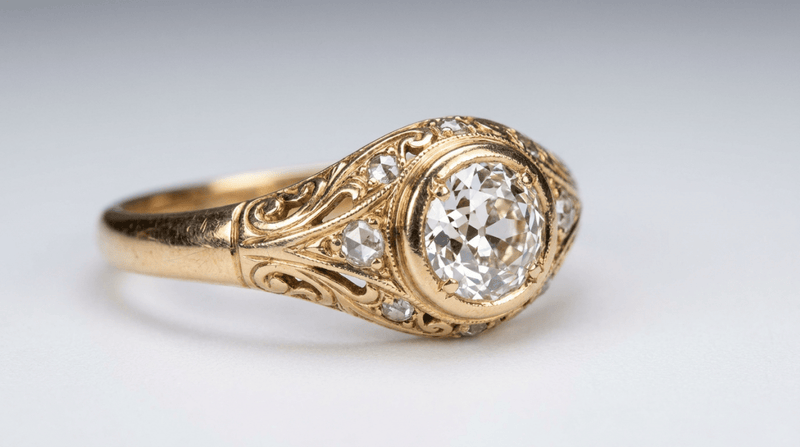
- Engraved or Custom Birthstone Rings: Dates, initials, or short messages engraved on the band make the ring personal. A custom piece often becomes heirloom jewelry, passed down with its story attached.
What Metals Complement Each Birthstone Best?
Yellow gold flatters warm-toned stones, white metals flatter cool ones, and platinum or 14k gold holds up best for daily wear. Consider these five options:
- Gold: The classic choice, alloyed for strength and offered in several karats. Its warm tone deepens ruby, citrine, garnet, and other warm-hued stones.
- White Gold: A cool, bright surface that lets amethyst, aquamarine, and sapphire stand out. Rhodium plating gives it its white finish, and a jeweler can renew the plating when it wears.
- Rose Gold: Copper in the alloy creates its blush tone. That warmth is a natural match for morganite and pink tourmaline.
- Sterling Silver: An affordable metal with a soft, moonlit shine that suits turquoise, aquamarine, and amethyst. It tarnishes over time, so expect occasional polishing.
- Platinum: Dense, naturally white, and highly scratch-resistant. If the ring will be worn daily for decades, platinum is the safest bet.
What Does Each Birthstone Symbolize?
Each of the twelve birthstones carries its own traditional meaning, from garnet’s loyalty in January to turquoise’s protection in December. Here is the full list, month by month:
- Garnet: January’s deep red stone stands for loyalty and safe travels. It has protected journeys in folklore for centuries.
- Amethyst: February’s purple quartz represents wisdom, calm, and clear thinking. The ancient Greeks believed it kept the mind steady and sober.
- Aquamarine: March’s stone takes its name from seawater and shows the same serene blue-green. It has long symbolized courage and a calm head.
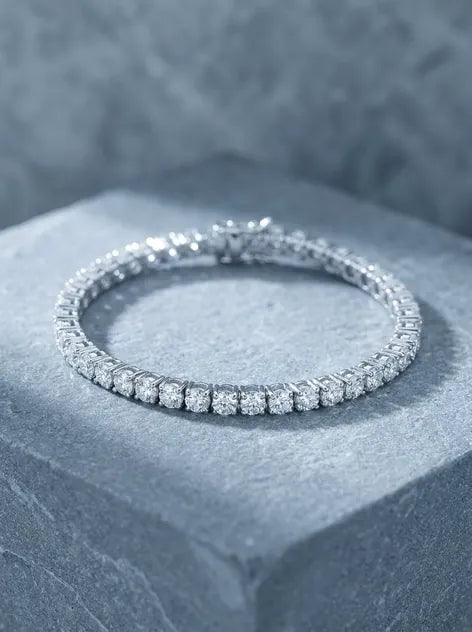
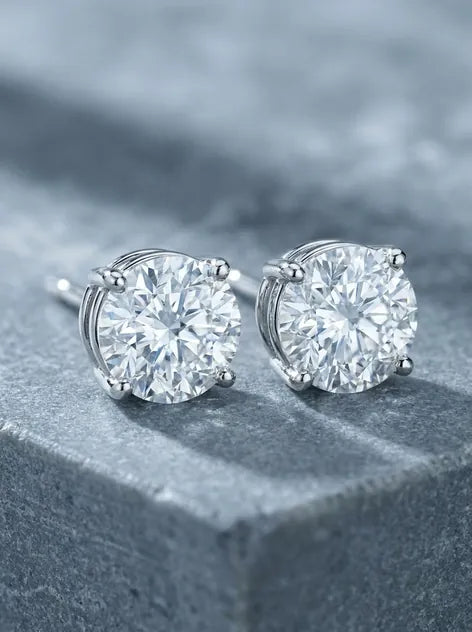
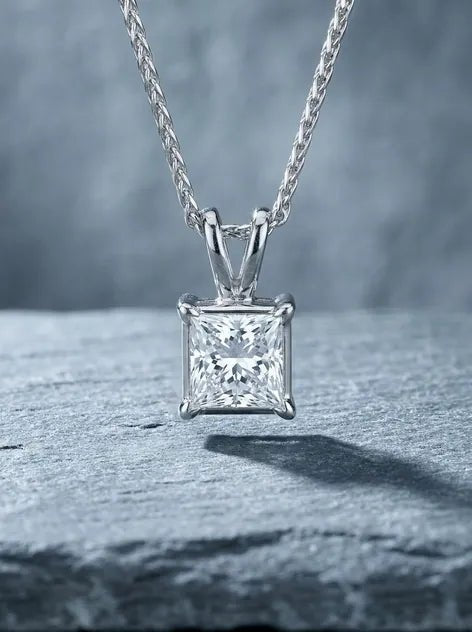
- Diamond: April’s stone rates 10 on the Mohs hardness scale, the highest mark there is. That permanence is why a diamond stands for everlasting love and purity.
- Emerald: May’s green stone was called the king of gems in the ancient world. It traditionally marks new beginnings and growth.
- Pearl: June’s gem forms in water rather than rock and has stood for purity and wisdom across many cultures. Its soft luster suits understated rings.
- Ruby: July’s rich red stone evokes courage, vitality, and intense love. Ancient Hindu tradition ranked it above every other gem.
- Peridot: August’s bright green stone is associated with positivity and prosperity. Its lime color reads fresh in both gold and silver.
- Sapphire: September’s blue stone signals sincerity, trust, and nobility. Royal families have favored it for generations.
- Opal: October’s stone shows play-of-color, a shifting rainbow flash as light moves across it. No two opals look alike.
- Topaz: November’s golden-yellow stone symbolizes strength and long life. Citrine serves as an alternate stone for the same month.
- Turquoise: December’s opaque blue-green stone has been worn for thousands of years for luck, healing, and protection. Zircon and tanzanite are also recognized December birthstones.
How Do You Choose the Right Birthstone Ring?
Choosing the right birthstone ring comes down to seven decisions: the stone, its meaning, the metal, the style, durability, personalization, and budget. Work through them in order:
- Identify Your Birth Month Gemstone: Start with the stone tied to the birth month. Some buyers pick a different stone for its color or meaning instead, and that is a fine choice too.
- Consider the Stone’s Meaning: Match the gem to the message. Amethyst suggests calm and balance, while ruby signals passion.
- Pick a Suitable Metal: Warm stones sit naturally in yellow or rose gold. Cool stones pair with white gold, silver, or platinum for visual harmony.
- Select a Ring Style: Let lifestyle decide. A low bezel design handles daily wear, while a cluster or halo shines at formal events.
- Check Durability: Harder stones survive everyday wear better. Sapphires, diamonds, and rubies take abuse that would damage pearls, opals, or emeralds.
- Explore Personalization: Engraving a date or initials, or grouping several birthstones in one family design, adds lasting sentimental value.
- Set a Budget: Cost varies with the gemstone, the metal, and the complexity of the design. Decide your number first, then balance quality and style within it.
What Are the Best Birthstone Rings for Women?
The most popular birthstone rings for women are halo, solitaire, and dainty stackable designs. Birthstone rings in these styles are common gifts for birthdays, anniversaries, Mother’s Day, and personal achievements. Multi-stone versions hold a gem for each child or family member, which makes them a natural way to celebrate family bonds and other meaningful relationships.
What Are the Best Birthstone Rings for Men?
Men’s birthstone rings favor minimalist, bold bands with a subtle, recessed stone. Durable metals such as platinum, titanium, and black rhodium-finished gold stand up to an active routine. Both clean modern profiles and vintage-inspired designs work well.
What Are the Latest Trends in Birthstone Rings (2025)?
The biggest birthstone ring trends in 2025 are lab-grown stones, multi-stone family designs, asymmetrical settings, mixed metals, and gender-neutral styles. Lab-grown gems appeal to buyers who want ethical origins and sustainability at a lower cost. Family rings carrying a stone for each member, or each close friend, keep growing in popularity, from detailed cluster settings to simple stackable bands. Designers are also setting stones off-center for an unconventional, modern look, and mixing metal tones within a single piece. Textured finishes and personal engraving round out the list. Across all of it, styling has grown more inclusive, with versatile designs anyone can wear regardless of traditional gender rules.