


Right-hand rings are worn on the right hand as a statement of independence and self-worth rather than marital status. Nobody gives you one to claim you, that is the point. Most designs feature a large center stone or a bold, meaningful motif, and people buy them to mark promotions, milestones, and personal wins. They also make strong gifts for birthdays and anniversaries, and in some cultures the right hand carries its own symbolism of balance and harmony.
The style traces back to the Prohibition era of the 1920s, when American women were earning their own money in large numbers for the first time and wore showy rings as proof of it. Those pieces doubled as cocktail rings, worn to the speakeasy parties of the day. The modern right-hand ring took off in the early 2000s, when a famous diamond advertising campaign urged women to raise their right hands, the left hand for commitment, the right hand for the woman herself. The idea stuck, and the right-hand ring has been a jewelry-box staple ever since.

What Are the Popular Styles of Right-Hand Rings?
The five most popular right-hand ring styles are statement rings, diamond bands, gemstone rings, modern minimalist designs, and vintage-inspired pieces:
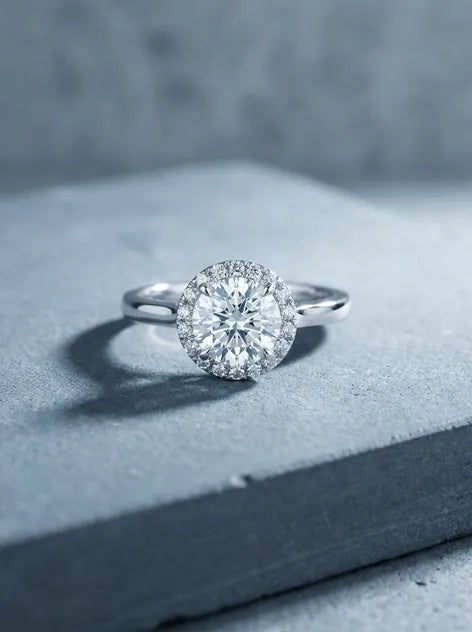
- Statement Rings: A large stone or sculptural shape anchors the design and draws the eye. Halo and pavé settings both protect the center stone and multiply its sparkle.
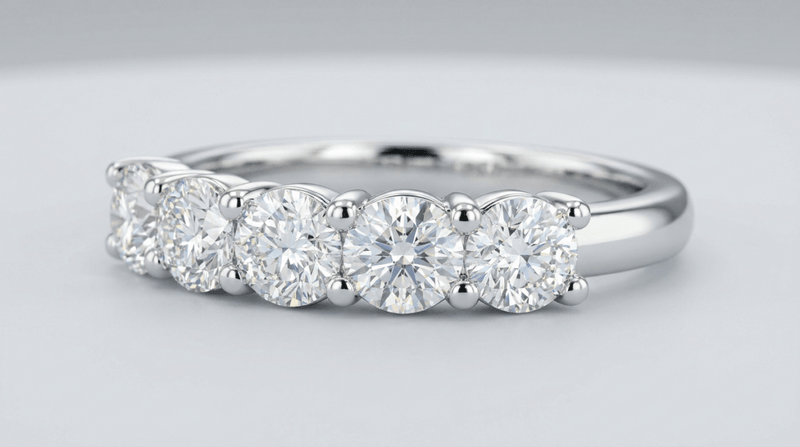
- Diamond Bands: Timeless and hard-wearing, a diamond band works alone or stacked. One larger diamond creates a focal point, while a full row keeps light moving across the whole hand.
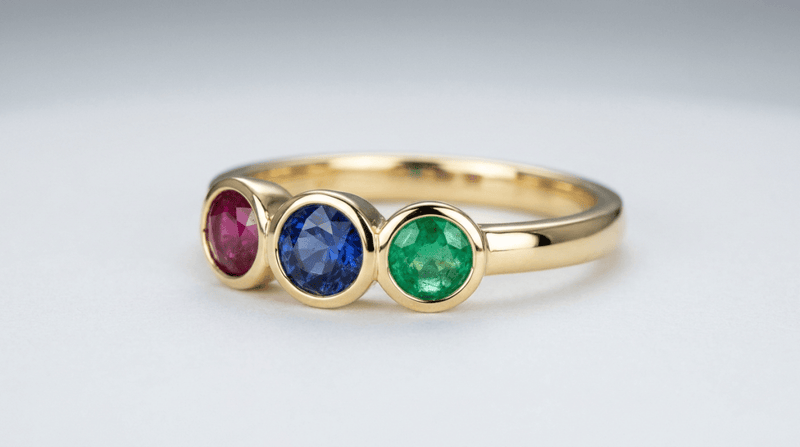
- Gemstone Rings: Colored stones, ruby, sapphire, emerald, amethyst, topaz, let the ring say something personal. The color often carries the meaning: sapphire for wisdom, emerald for a fresh start.
- Modern Minimalist Rings: Clean geometry, open negative space, and slim profiles define this look. It suits anyone who wants contemporary style without flash.
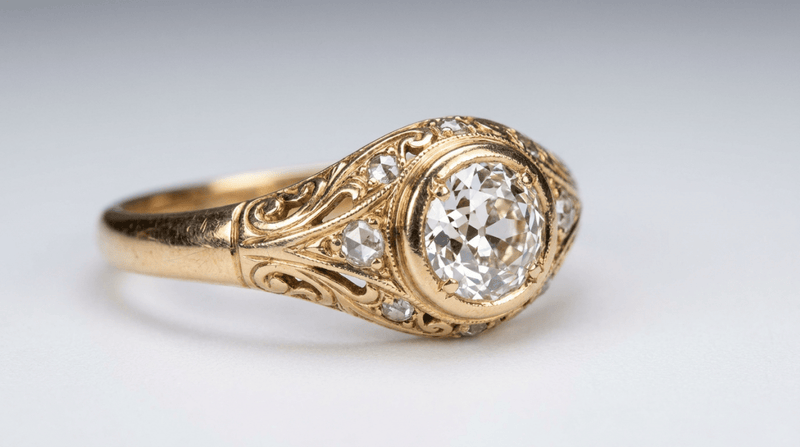
- Vintage-Inspired Rings: Art Deco and Edwardian details bring a sense of history to a new piece. Some wearers go further and reset heirloom jewelry, giving a family stone a second life on the right hand.
What Gemstones Are Best for Right-Hand Rings?
The five best gemstones for right-hand rings are ruby, sapphire, emerald, diamond, and amethyst or topaz, each balancing meaning with everyday durability:
- Ruby: Its saturated red reads as passion and courage. At 9 on the Mohs scale, ruby is the most durable colored stone after a diamond, so it handles daily wear without complaint.
- Sapphire: Deep blue suits a ring about self-trust and wisdom. Like ruby, it rates 9 on the Mohs scale and shrugs off ordinary knocks.
- Emerald: Green has long stood for growth and renewal, which makes emerald a natural pick for marking a new chapter in work or life. It is softer than ruby or sapphire, so a protective setting matters.
- Diamond: Nothing outlasts it. As the most durable of stones, a diamond suits a statement piece meant to be worn for decades, and it symbolizes resilience along the way.
- Amethyst or Topaz: Amethyst offers rich purple at a friendly cost, rating about 7 on the Mohs scale, so treat it with some care. Topaz rates 8 and stands up better to daily wear.
What Metals Complement Right-Hand Rings Best?
Yellow gold, white gold, rose gold, platinum, and mixed metals all complement right-hand rings; the right choice depends on the stone and how often you will wear it:
- Yellow Gold: Warm, classic, and available in several karats. 14k offers the best balance of color and strength, while 18k is richer in tone but too soft for rough daily use.
- White Gold: A clean, minimalist look and a practical alternative to denser platinum. Its bright finish comes from rhodium plating, which thins over the years and can be renewed by a jeweler.
- Rose Gold: Copper in the alloy creates the soft pink hue and adds durability beyond yellow or white gold. The effect is warm, romantic, and distinctive.
- Platinum: Denser and heavier than gold, naturally silvery white, and highly scratch-resistant, no plating required. It develops a soft patina over time that polishes away easily.
- Mixed Metals: Pairing metals, say, a yellow gold band with a platinum setting, adds contrast while holding the stone securely. It is also an easy way to make a ring feel one of a kind.
How Do You Choose the Perfect Right-Hand Ring?
Choosing the perfect right-hand ring takes five steps: define its meaning, match the style to your personality, prioritize comfort, set a budget, and personalize it:
- Define the Meaning: Decide what the ring marks, an achievement, a new beginning, an anniversary. A sapphire suits self-trust, while an emerald marks a fresh start.
- Pick a Style That Matches Your Personality: Bold personalities carry a large center stone well. A classic diamond band suits a quieter, more elegant sensibility.
- Focus on Comfort: Get the fit and band width right, because a right-hand ring is meant for regular wear. Active lifestyles call for a durable metal like platinum and a hard stone.
- Set a Budget: Balance gemstone quality, metal type, and design against your number. Platinum is the most durable and luxurious option, while white gold delivers a similar look for less.
- Personalize It: Add a birthstone, an engraving, or an unusual cut. Mixing metals or layering stackable rings makes the look entirely yours.
How Do You Style a Right-Hand Ring?
Wear a right-hand ring alone to let its design carry the hand, or stack it with slimmer minimalist bands. Balance is the rule when adding other jewelry: if the ring is bold, keep everything else simple, and avoid wearing two large-stone rings at once, the effect turns flashy fast. Match metal tones to your outfit’s color palette where you can; diamonds and white metals go with nearly everything. And don’t be afraid to go big. A large, sparkling gemstone ring is exactly the right amount of glamour with an evening gown.
How Do You Care for a Right-Hand Ring?
Clean a right-hand ring with mild soap, warm water, and a soft brush, then dry it carefully with a lint-free cloth. Store it in its own box so it cannot scratch against other pieces, and keep it away from perfume, lotion, and harsh chemicals. Once a year, have a jeweler check the prongs and settings so the stone stays exactly where it belongs.