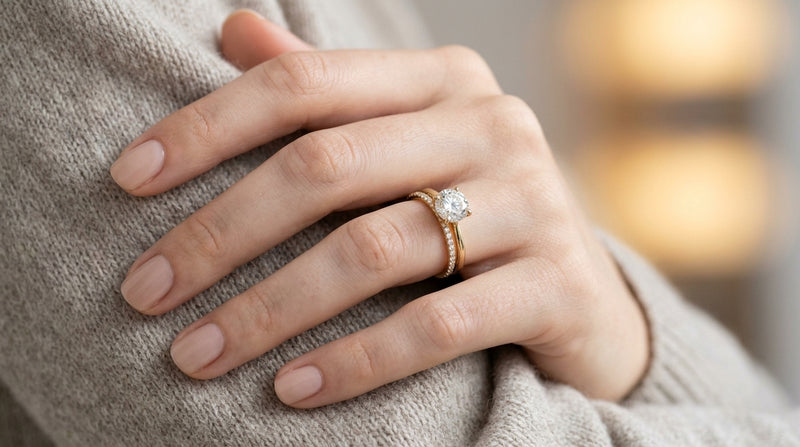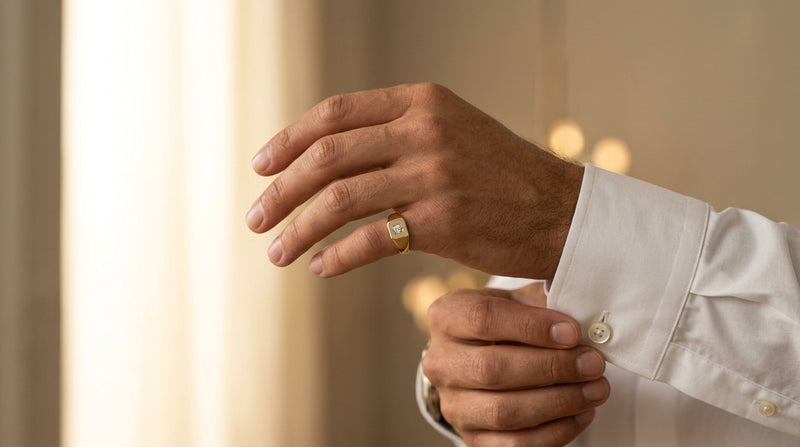


A cocktail ring is a bold ring with a large center stone, worn purely as a fashion statement. It carries no message about engagement or marriage, that job belongs to engagement and wedding rings set with diamonds or other precious stones. Cocktail rings exist to express the wearer, which is why they are often called statement pieces: an oversized stone in a striking color, traditionally worn on the right hand, that draws the eye at first glance. They show up at parties and on red carpets, and they dress up everyday outfits just as easily.
The style was born during Prohibition, from 1920 to 1933, when speakeasy parties became a fixture of American nightlife. Women wore big, showy rings to those gatherings as a declaration of independence and a break from conservative convention. Hollywood carried the look forward in the 1940s and 1950s, when stars wore cocktail rings on screen for pure glamour. Designers have been reinventing the idea ever since, moving it from vintage curiosity to modern staple.

What Are the Different Types of Cocktail Rings?
The seven main types of cocktail rings are gemstone, diamond, floral, vintage or Art Deco, abstract modern, cluster, and personalized statement designs. Here is how they differ:
- Gemstone Cocktail Rings: A large, prominent colored stone, deep sapphire, vibrant amethyst, emerald, ruby, or topaz, takes center stage. Stone size and color saturation matter most in this style; the setting exists to serve the gem.
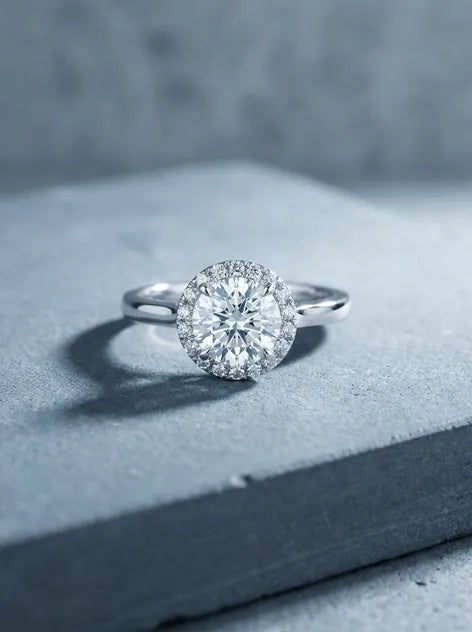
- Diamond Cocktail Rings: Diamonds deliver the shimmer, often multiplied by the setting. A halo setting rings one large stone with small diamonds, while a pavé setting carpets the surface with tiny stones set edge to edge.
- Floral Cocktail Rings: Blossoms and leaves shaped from sculpted metal, carved gemstones, or enamel bring nature into the design. The effect is bold yet organic.
- Vintage or Art Deco Rings: Symmetrical patterns, distinct geometric shapes, and intricate craftsmanship recall the 1920s and 1930s. Edwardian-inspired versions trade the hard geometry for lacy, delicate detail.
- Abstract & Modern Rings: Unexpected materials, ceramic, enamel, sculpted metal, deliberate negative space, produce contemporary shapes that feel closer to art than tradition.
- Cluster Rings: Many small stones grouped tightly so they read as one large gem. The cluster catches light from every angle, delivering diamond-level sparkle at a smaller stone size.
- Personalized or Statement Rings: Initials, symbols, and meaningful letters turn a bold ring into a personal one. The design still commands attention; it just tells your story while doing it.
What Metals Best Enhance a Cocktail Ring’s Appeal?
Gold, sterling silver, platinum, titanium or stainless steel, and mixed metals are the five metals that best enhance a cocktail ring:
- Gold (Yellow, White, Rose): The traditional choice for a luxurious ring. Pure gold is too soft for daily wear, so it is alloyed with copper or silver, producing yellow, white, and rose gold, each with its own character.
- Sterling Silver: Versatile, stylish, and easier on the budget than gold. It tarnishes over time, so it asks for regular polishing in exchange for its bright finish.
- Platinum: Dense, scratch-resistant, and built for an active daily routine. It costs more than gold, and its durability is exactly why.
- Titanium or Stainless Steel: Titanium is light, comfortable, and hypoallergenic. Stainless steel resists scratches well but contains nickel, which can irritate sensitive skin.
- Mixed Metals: Combining metals, yellow gold with white gold or platinum, for instance, creates contrast and a ring you will not see on anyone else’s hand.
What Are the Most Popular Gemstones for Cocktail Rings?
Amethyst, topaz, ruby, sapphire, emerald, and quartz varieties such as citrine are the six most popular gemstones for cocktail rings:
- Amethyst: Prized for centuries, its royal purple runs from deep violet to pale lavender. Because clean amethysts come in generous sizes, the stone is a cocktail-ring natural.
- Topaz: Available in pink, yellow, blue, and white, with plenty of brilliance for the money. Many of the brighter colors start out natural and are heat-treated to deepen the hue.
- Ruby: Deep red that has always signaled passion, wealth, and power. In cocktail rings, rubies are often flanked by diamond accents that make the red look even richer.
- Sapphire: Best known in blue, standing for loyalty and faith, but also found in fancy pinks, yellows, and greens. Every sapphire is the mineral corundum; trace elements create the different colors.
- Emerald: The classic green stone of new beginnings, admired for centuries for its rich, vibrant color. It reads sophisticated in any setting.
- Quartz, Citrine, Turquoise: Citrine, a golden quartz, is called the gemstone of the sun for its warm orange-yellow glow. Turquoise brings an opaque blue-green that stands apart from every faceted stone on this list.
How Do You Choose the Right Cocktail Ring for Your Style?
Choose a cocktail ring by deciding which of four looks you want: classic glamour, modern edge, artistic flair, or everyday elegance:
- For Classic Glamour: Stay with traditional, symmetrical stones. Emerald and cushion cuts deliver balanced, timeless elegance, and they pair beautifully with a little black dress or an evening gown.
- For Modern Edge: Look for geometric shapes, squares, triangles, abstract forms. Off-center stones and unusual metalwork add a touch of dynamic movement.
- For Artistic Flair: Unconventional shapes and materials express creativity best. Resin, wood, unpolished stones, and animal or floral motifs all qualify.
- For Everyday Elegance: Keep the stone at a moderate size and the design understated. The right ring shifts easily from daytime polish to nighttime elegance without a change.
When Should You Wear a Cocktail Ring?
Wear a cocktail ring to galas, parties, evening events, and weddings, anywhere a bold accessory belongs. It adds presence to professional occasions and special celebrations alike. These days the old rules have relaxed, and plenty of people wear one simply because it suits their personal style that day.
How Do You Style and Wear a Cocktail Ring?
Style a cocktail ring by pairing it with your most polished outfit and letting the ring be the focal point. At a gala or black-tie event, a diamond or sapphire piece finishes formal wear perfectly. Tradition puts the ring on the right hand as a nod to its independent spirit. Matching the stone’s hue to your attire pulls the whole look together into something cohesive and striking.
What Are the Tips for Caring for Your Cocktail Ring?
Clean a cocktail ring with warm water, a chemical-free soap, and a soft brush to keep the stone brilliant. Keep it away from perfume and harsh chemicals, and store it in its own box so nothing scratches it, and nothing loses it. Once a year, have a professional clean the ring and confirm the stone sits tight in its prongs or holder.