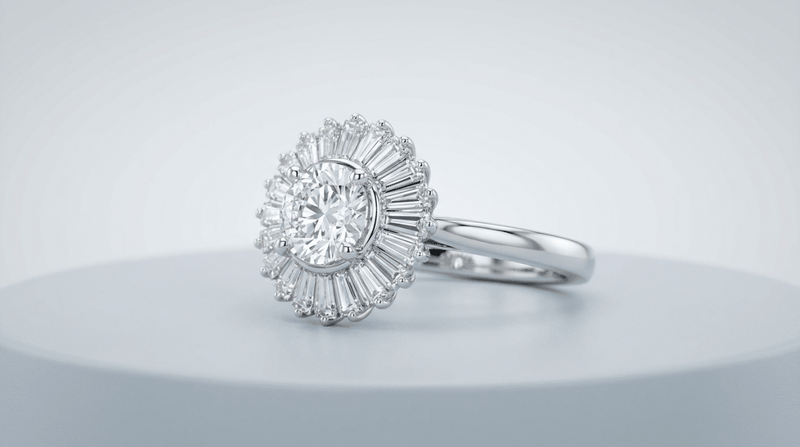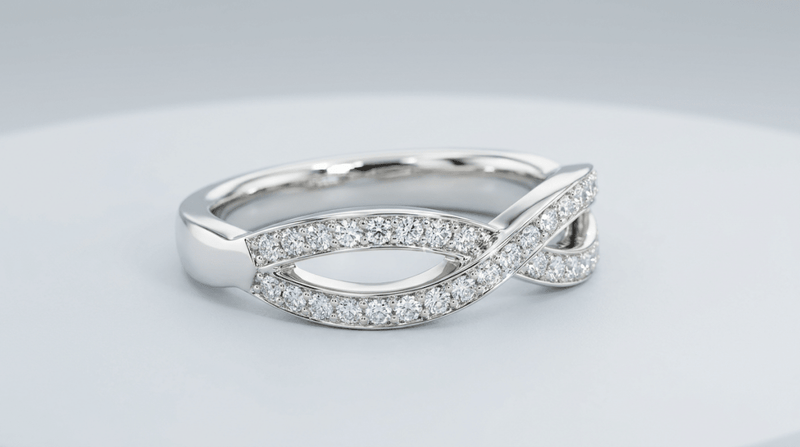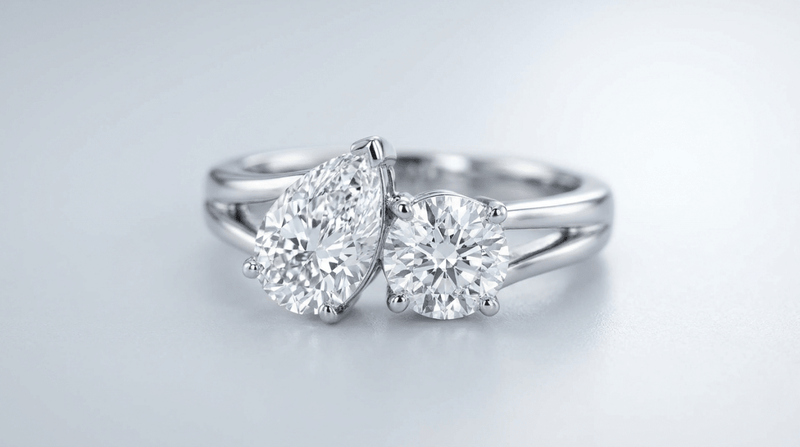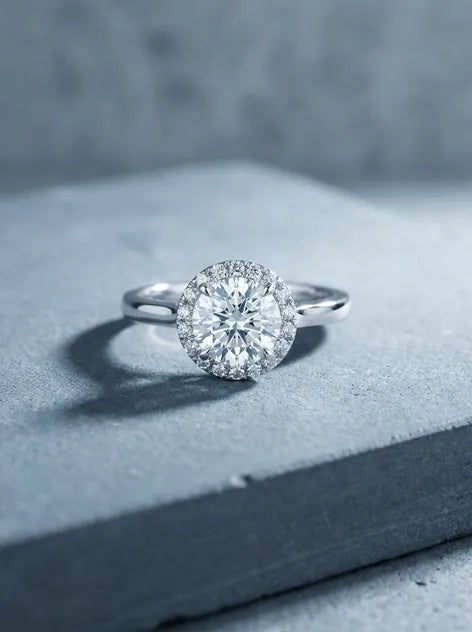



Engraved rings are personalized with a message, name, date, symbol, or design cut into the metal, turning a piece of jewelry into a record of something that matters. They signal commitment, loyalty, and shared promises, and the category is broad, signet rings, birthstone rings, friendship rings, and wedding rings all take engraving. The work can run along the inside, the outside, or the edges of the bands, depending on whether the message is meant to be seen or kept private. An engraved ring marks a specific day, event, or bond, which is why it remains one of the most reliable gifts for the people closest to you.

What Are the Different Types of Engraved Rings?
The six types of engraved rings are name, date, message, symbol, fingerprint or handwriting, and coordinate engravings:
- Name Engravings: The most classic form, the name of a partner, child, parent, or even a pet cut into the ring. It usually runs along the inside of the band for privacy, though names can also appear on the outer surface or edges as a visible design element.
- Date Engravings: A significant date, the engagement, the wedding, a graduation, a birthday, engraved on the inner band. Every time the ring comes off, the date is there. It is the simplest engraving and one of the most powerful.
- Message Engravings: Short words like "Forever," "Always," and "Faith" are the staples, but the field is wide open. Couples engrave lines from vows, friends engrave inside jokes, readers engrave a phrase from a favorite book. Anything short enough to fit is fair game.
- Symbol Engravings: A symbol says it without words. Hearts and infinity signs stand for love, crosses and other cultural marks carry faith, and nature motifs, flowers, anchors, or zodiac signs personalize a band at a glance.
- Fingerprint or Handwriting Engravings: A partner's actual fingerprint or handwriting reproduced in metal, inside or outside the ring bands. No two are alike by definition, which makes this the most literal form of personalization available.
- Coordinate Rings: The latitude and longitude of a meaningful place, where you met, married, or were born, engraved into the band. To anyone else it is a string of numbers; to the wearer it is a map home.
What Are the Popular Materials for Engraved Rings?
The five popular materials for engraved rings are gold, sterling silver, platinum, titanium and tungsten, and rose gold:
- Gold: A top choice because it takes engraving cleanly and looks warm doing it. Durability depends on karat, the higher the karat, the softer the metal, so a high-karat gold engraving will wear down faster than one in platinum or titanium.
- Sterling Silver: The budget-friendly option, and a favorite for friendship rings. It is noticeably softer than gold, which means the engraving fades sooner with daily wear. For a sentimental gift that isn't worn constantly, it serves well.
- Platinum: A dense white metal that outlasts both gold and silver. Platinum rings are typically laser-engraved, and the marks stay crisp for decades, the right material when the inscription has to last a lifetime.
- Titanium & Tungsten: Titanium is remarkably light; tungsten is heavy and nearly scratch-proof. Both are too hard for traditional hand tools, so the design is laser-burned into the metal, leaving a permanent mark.
- Rose Gold: Gold blended with copper, which gives it the blush hue and slightly more hardness than yellow gold. Karat still governs durability. Its warm, romantic color makes it a favorite for sentimental inscriptions.
What Techniques Are Used for Engraving Rings?
Four techniques are used to engrave rings: hand engraving, laser engraving, etching, and CNC engraving:
- Hand Engraving: The traditional craft, an engraver cuts the design with gravers or burins, leaving deep, tactile lines. It is slow, skilled work best suited to monograms, intricate detail, and classic designs on softer metals like gold.
- Laser Engraving: A focused beam burns the design into the surface with machine precision. It handles tiny text and fingerprint reproductions easily and is the only practical way to mark hard metals like tungsten, though the result reads cleaner than it does artistic.
- Etching: The ring is coated in acid-resistant material with the design areas left exposed, then bathed in acid that eats subtle patterns into the metal. It produces soft, organic texture rather than sharp detail, wrong for fine text, right for atmospheric patterns.
- CNC Engraving: A computer-controlled cutter follows a programmed path across the metal. It reproduces almost any design accurately and costs less than hand work, which makes it the workhorse for most modern engraving.
How to Choose the Perfect Engraved Ring
Choose an engraved ring by defining the purpose, selecting the metal, deciding the message, picking a font, planning the placement, and setting a budget:
- Define the Purpose: Be clear about the occasion and the recipient first. A friendship ring, a romantic gift, and a commitment ring each point toward different metals, messages, and price ranges.
- Select the Metal: Match the metal to how the ring will be worn. Platinum or tungsten suits an engagement piece meant for daily wear, rose gold flatters a wedding band, and sterling silver keeps a friendship ring affordable.
- Decide on the Message or Symbol: Settle what the engraving actually says, a name, a date, a phrase, or a symbol. Shorter is usually better; the band gives you one line, not a paragraph.
- Pick a Font Style: Fonts range from plain block lettering to ornate script. A classic face reads casual and friendly, while a flowing script suits engagements and formal occasions.
- Plan the Placement: Choose inside the band for a private message, outside for a visible one, or along the edges for something in between. Placement changes the character of the same inscription entirely.
- Set a Budget: Fix the number before choosing materials. The cost moves with the metal, the engraving technique, and the length and complexity of the message.
What Occasions Are Ideal for Engraved Rings?
Weddings, anniversaries, graduations, birthdays, and friendship or family milestones are the ideal occasions for engraved rings:
- Weddings: Couples engrave their initials, the wedding date, or the venue into their bands. The inscription turns the ring into a permanent record of the day itself.
- Anniversaries: An engraved ring marks another year with a message or symbol chosen for the moment. It gives a traditional gift a layer that only the two of you can read.
- Graduations: Students seal the achievement with an engraved date, a motivational line, or their class year. Years later the ring still carries the weight of that day.
- Birthdays: A ring engraved with a personal birthday message outlasts every other kind of card. The emotional value compounds as the years pass.
- Friendship & Family Bonds: Friends and family exchange rings engraved with inside jokes or shared symbols. Every glance at the band recalls the moments behind it.
Which Unique Engraving Ideas Can Make Your Ring Truly Yours?
The engravings that make a ring truly yours are the ones no one else could have chosen: a name, a specific date, an inside joke, a fingerprint, or a phrase like "Forever & Always" in your own handwriting. Hearts, infinity signs, and flowers carry love and care in a single mark. If it can be drawn or written, it can almost certainly be engraved.
How to Care for Engraved Rings
Care for engraved rings by avoiding detergents and abrasive cleaners at home, since harsh scrubbing wears down the fine lines of the inscription. When the ring looks dull, have a professional polish it, a jeweler brightens the metal without erasing the engraving, keeps the stones tight, and heads off patina buildup. Wipe the ring with a microfiber cloth before putting it away, and store it separately so other pieces cannot scratch it.