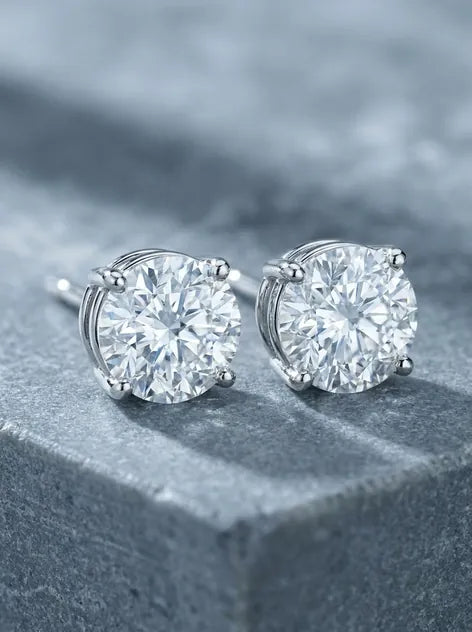
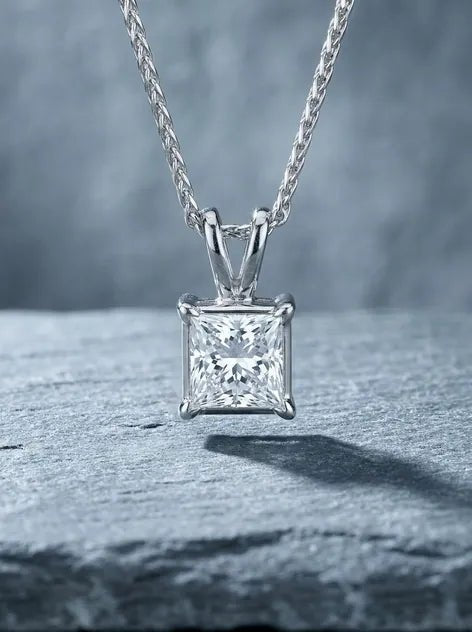


Platinum rings offer a combination no other jewelry metal matches: they are alloyed at 90 to 95 percent pure platinum, so the bright white color runs all the way through the metal and never needs plating. Compare that with gold, 14k is 58.3 percent gold and 18k is 75 percent, and the difference in purity is obvious. Platinum is also rare; mining and refining it takes far more effort than gold, which is part of why it carries a luxury reputation. The metal is denser and heavier on the hand than gold, and that substantial feel, together with its natural white finish and low upkeep, is what draws people to it for rings meant to be worn every day for decades.

What Are the Popular Platinum Ring Styles?
The five most popular platinum ring styles are the solitaire, the halo, the three-stone, channel and pavé designs, and the minimalist band:
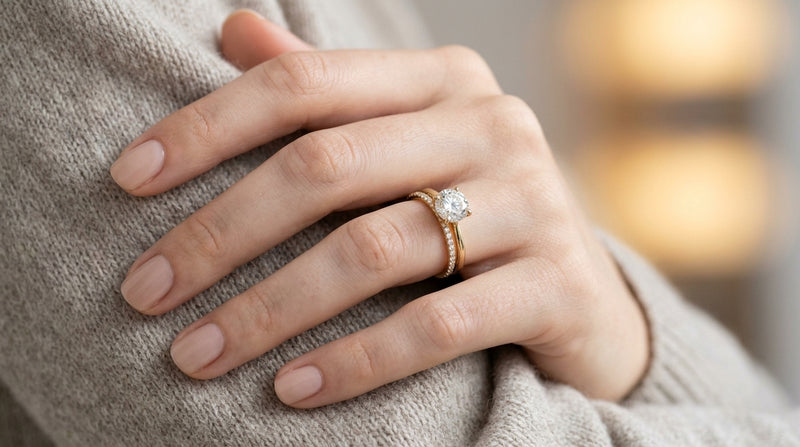
- Solitaire Rings: A single center stone on a clean band, the style that never dates. Platinum's cool, naturally white tone makes a diamond look whiter and brighter, and the metal grips the stone firmly for a sleek, secure profile.
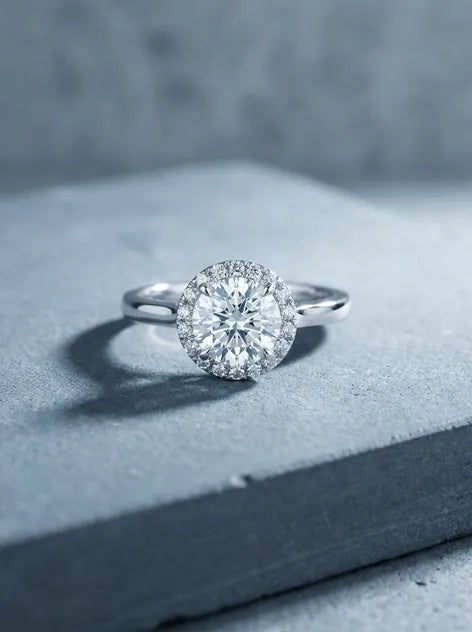
- Halo Rings: A circle of smaller stones surrounds the center stone in a halo setting. Against bright platinum, the effect is continuous sparkle from every angle, and the halo makes the center diamond read noticeably larger.
- Three-Stone Rings: A larger central stone flanked by two smaller ones, traditionally read as past, present, and future. The arrangement is naturally balanced on the hand. Platinum prongs keep all three stones secure through daily wear.
- Channel & Pavé Rings: Pavé settings dot the band with tiny stones for a soft, steady glitter, while channel settings recess stones in a neat, straight line flush with the metal. Both add shine without pulling focus from the main diamond.
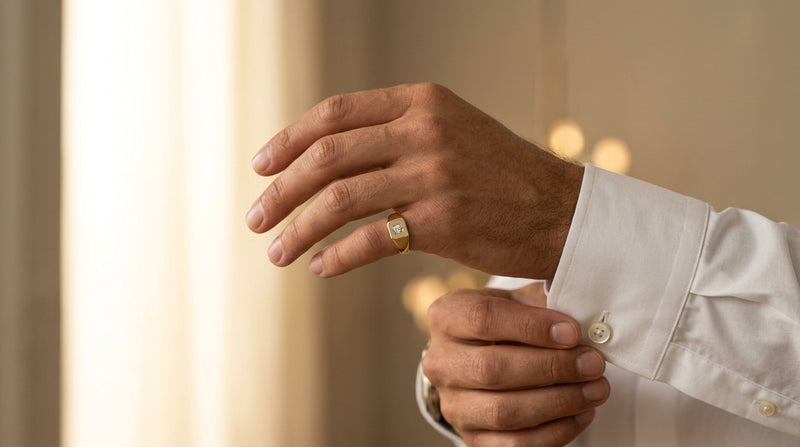
- Minimalist Bands: Plain or near-plain platinum bands suit anyone who wants understated and modern. An east-west variation sets the stone horizontally across the band for a quietly contemporary look.
Which Gemstones Pair Best With Platinum Rings?
Diamonds, sapphires, emeralds, rubies, and lab-grown or colored gems pair best with platinum rings:
- Diamonds: The classic partner, platinum's icy white tone makes a colorless diamond look its absolute best. The hardness of the stone and the toughness of the metal together make a ring built for everyday wear, which is why this pairing dominates bridal jewelry.
- Sapphires: Deep blue against white metal is one of the strongest color contrasts in jewelry, and sapphire's traditional meaning, trust and loyalty, fits engagement rings well. At 9 on the Mohs scale, sapphire is durable enough for daily wear. The British royal family's rings made this combination famous.
- Emeralds: Green on white platinum looks sophisticated and crisp. Emeralds symbolize growth and new beginnings, but they are softer than sapphires or diamonds, so a protective halo or bezel setting is the smart choice here.
- Rubies: Red on white reads as passion and luxury, and the contrast is striking. Rubies rate 9 on the Mohs scale, the same as sapphires, so a platinum ruby ring handles daily wear without worry.
- Lab-Grown or Colored Gems: Colored stones let you tune the ring to a personality, pale blue aquamarine, for instance, looks especially clean against white platinum. Lab-grown stones add a further advantage: they cost less than mined sapphires, rubies, or diamonds and come from a controlled, conflict-free source.
How Do You Choose the Perfect Platinum Ring?
Choose a platinum ring in five steps: settle the purpose, pick a style, match the gemstone, check the band's thickness and weight, and verify the hallmark:
- Determine Purpose: Decide first whether the ring is for an engagement, a wedding, or an anniversary. An engagement ring gets worn daily, so durability should drive every later choice; an occasional ring gives you more freedom.
- Select Ring Style: Narrow the field to minimalist, vintage, or classic. A single stone on platinum is the timeless route, while a halo or pavé design maximizes sparkle for someone who wants the ring noticed.
- Consider Gemstone Type: Match the stone's color and hardness to the metal and to the wearer's routine. Diamond is the traditional platinum partner because the metal sharpens its brilliance; a bezel setting adds a further layer of security for an active lifestyle.
- Check Band Thickness & Weight: Platinum is denser than gold, so an identical design weighs more on the finger. Keep proportions modest for comfort in daily wear, and remember a larger or heavier stone needs a correspondingly sturdier band.
- Verify Certification & Authenticity: Look inside the band for the purity hallmark, "PT950" means 95 percent pure platinum and "PT900" means 90 percent. Buy from a trusted jeweler that backs the ring with a warranty and a clear return policy.
How Do Platinum Rings Compare to Other Popular Metals?
Platinum outperforms white gold, yellow gold, rose gold, and silver on durability and upkeep, though each rival has its own appeal:
- Versus White Gold: Platinum is white all the way through, while white gold depends on rhodium plating that wears off and must be renewed. When platinum is scratched, the metal is displaced rather than lost, so the ring keeps its mass; white gold slowly thins with polishing over the years.
- Versus Yellow Gold: Yellow gold brings warmth and tradition where platinum brings a sleek, cool white. Gold flatters warm skin tones especially well, but platinum's strength gives gemstones the more secure grip and suits every complexion.
- Versus Rose Gold: Rose gold is the romantic, trend-driven choice, and its copper content makes it the hardest of the gold alloys. Platinum counters with a naturally white color that never shifts and a level of stone security rose gold cannot match.
- Versus Silver: For fine jewelry worn daily, platinum beats silver in nearly every respect. Sterling silver is a much softer metal that scratches, bends, and tarnishes, which is why serious engagement rings are almost never made from it.
How to Maintain and Care for Platinum Rings?
Maintain a platinum ring with a weekly wash in warm water and a drop of mild soap, which lifts off dirt, oil, and everyday buildup without harming the metal. Over the years platinum develops a soft, satiny patina; many owners like it, and a jeweler can polish the ring back to full brightness whenever you prefer the original shine. Keep the ring away from harsh chemicals such as bleach, and put it on after perfume rather than before. Check the stone settings now and then to confirm everything is tight, and store the ring in a soft, fabric-lined box so nothing scratches it.