

An engagement ring is a ring given at a proposal to express love and the intention to marry, traditionally worn on the ring finger of the left hand. It marks the beginning of a couple's life together, which is why the choice carries real weight. The right ring reflects your partner's personal style as much as your commitment. This guide walks through the major ring styles, diamond shapes, settings, and metals, along with practical steps for shopping with confidence.
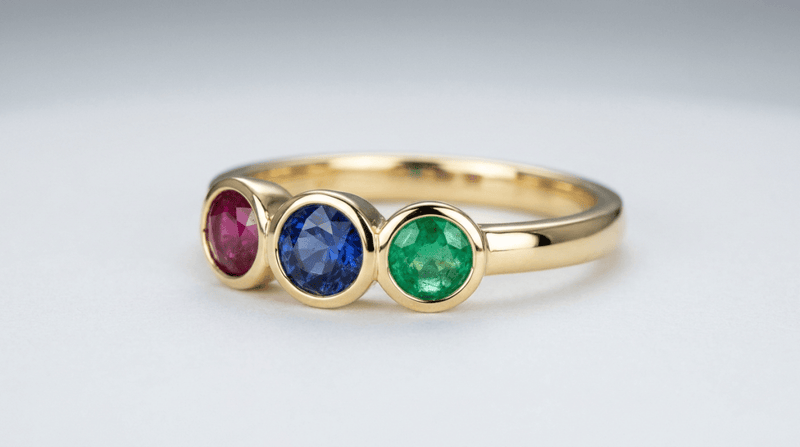
Engagement rings trace back to ancient Egypt and Rome, where a simple band stood for eternity and trust. Over the centuries, plain metal circles evolved into the diamond rings we know today. The unbroken circle still represents unending love, and each stone carries its own meaning: diamonds for strength, sapphires for loyalty, rubies for passion. Design and gemstone together turn a piece of jewelry into a lasting symbol of commitment.

What Are the Types of Engagement Rings?
The six main types of engagement rings are solitaire, halo, three-stone, vintage, modern minimalist, and custom designs.
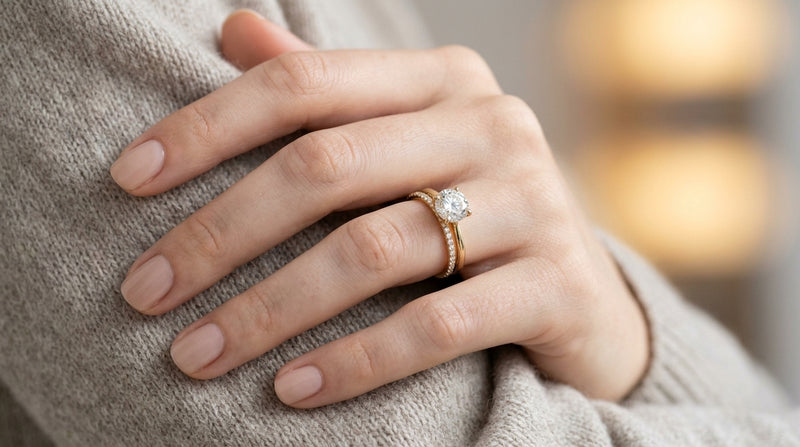
- Solitaire Rings: A solitaire holds a single center stone with nothing competing for attention. The design puts the full focus on the diamond's brilliance, and it pairs cleanly with almost any wedding band. That versatility keeps it the most popular engagement style year after year.
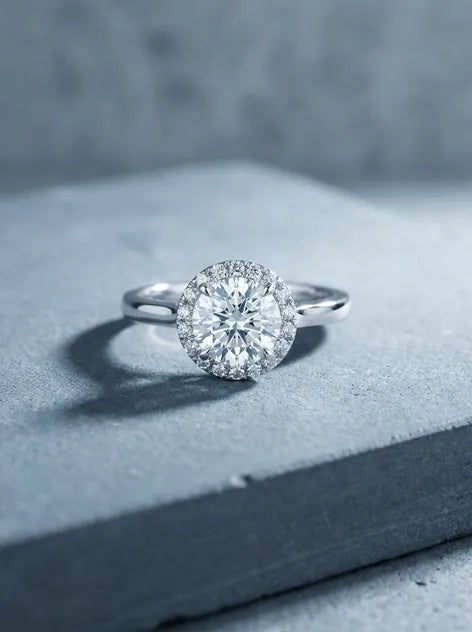
- Halo Rings: A halo surrounds the center stone with a circle of small diamonds. The border makes the center stone look noticeably larger and adds sparkle from every angle. It is a smart way to get more presence from a modest carat weight.
- Three-Stone Rings: Also called a trilogy, this style sets three stones side by side to represent a couple's past, present, and future. Some designs use three equal stones; others flank a larger center diamond with two smaller sides. Either way, the symbolism runs deep.
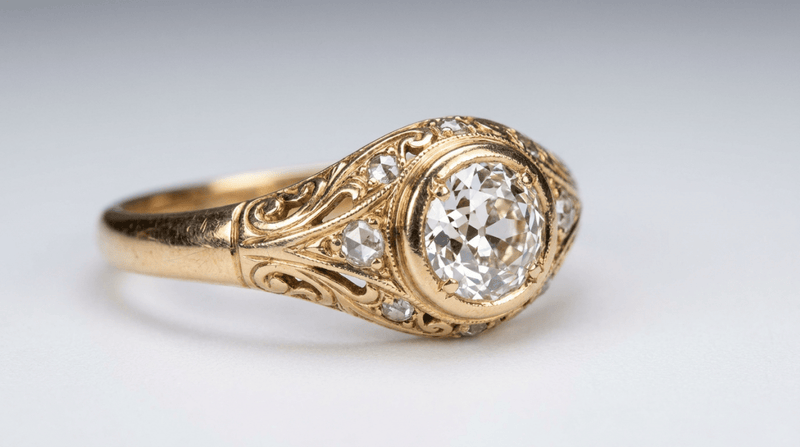
- Vintage & Antique Rings: Vintage designs borrow detailing from earlier eras, milgrain edges, filigree, engraved shoulders. They suit anyone drawn to romance and old-world craftsmanship. Each period, from Victorian to Art Deco, has its own recognizable character.
- Modern & Minimalist Rings: Clean lines, sleek bands, and no extra ornamentation define this style. The restraint lets the metal and stone speak for themselves. It suits people who prefer a refined look over maximum sparkle.
- Custom Engagement Rings: A custom ring is built around your story rather than pulled from a case. Working with an experienced jeweler, you choose the stone, setting, and details from scratch. The result is a one-of-a-kind piece no one else will wear.
What Are the Popular Diamond Shapes?
The most popular diamond shapes are round brilliant, princess, oval, emerald, cushion, pear, and marquise.
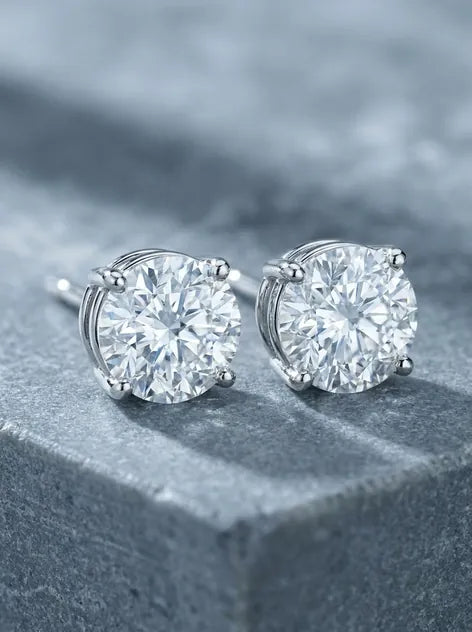
- Round Brilliant: The round brilliant is cut with 58 facets and returns more light than any other shape. Its symmetry produces exceptional brightness and fire. That performance keeps it the default choice for engagement rings.
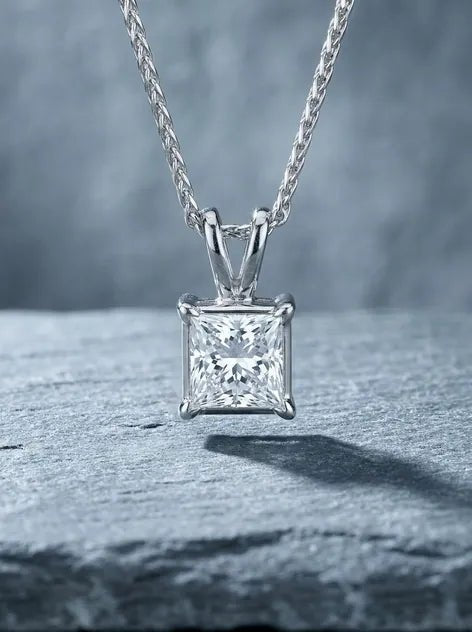
- Princess Cut: A square or slightly rectangular shape with crisp, pointed corners. The princess cut reads geometric and contemporary while still throwing plenty of light. It suits buyers who want a modern edge without giving up sparkle.
- Oval Cut: Ovals spread their weight across the finger, so they look larger than a round diamond of the same carat. The elongated outline also flatters the hand. Strong value and a distinctive silhouette explain their popularity.
- Emerald Cut: A rectangular step cut with long, mirror-like facets. Instead of fiery sparkle, it produces broad flashes of light and shows off a stone's clarity. The look is understated, vintage, and sophisticated.
- Cushion Cut: Square or rectangular with softly rounded corners, the cushion cut has a pillow-like outline. It blends antique character with gentle, romantic sparkle. Cushions work especially well in halo and vintage settings.
- Pear Cut: Rounded on one end and pointed on the other, the pear blends the round and marquise shapes. Its asymmetry makes it one of the most distinctive cuts you can wear, and it has stayed in demand for centuries. Pears flatter both minimalist and bold designs.
- Marquise Cut: Long and narrow with pointed tips, the marquise maximizes visible size for its carat weight. The dramatic silhouette elongates the finger. It is a confident choice for someone who wants a ring people notice.
What Are the 4Cs of Diamonds?
The 4Cs, cut, color, clarity, and carat weight, are the four grading standards that determine a diamond's beauty and value.
- Cut: Cut measures how well a diamond's proportions, symmetry, and polish work together to return light. It has the biggest effect on sparkle. A well-cut stone will outshine a larger, poorly cut one.
- Color: Color grades run from D (colorless) to Z (light yellow or brown). The closer a diamond sits to colorless, the more cleanly it reflects light. Small steps on the scale can change the price noticeably while looking nearly identical to the eye.
- Clarity: Clarity measures internal inclusions and surface blemishes. Fewer flaws mean a cleaner, brighter appearance, though most inclusions are microscopic and invisible without magnification. They rarely affect brilliance or durability.
- Carat: Carat is the diamond's weight, one carat equals 200 milligrams. Larger stones are rarer, so price climbs steeply as carat rises. Balancing carat against cut quality is where smart buyers get the most for their money.
What Are the Engagement Ring Settings?
The most common engagement ring settings are prong, bezel, pavé, channel, and tension.
- Prong Setting: Small metal claws, usually four or six, grip the stone and hold it above the band. With so little metal covering the diamond, light enters from nearly every direction for maximum sparkle. It remains the classic choice for solitaires.
- Bezel Setting: A metal rim wraps the stone's perimeter and holds it firmly in place. The frame protects the edges from chips and gives the ring a clean, modern profile. Partial bezels leave two sides open to let in more light.
- Pavé Setting: Tiny diamonds sit close together along the band, creating a continuous glittering surface. Pavé adds brightness across the whole ring without increasing the size of the center stone. The result is an all-over shimmer that flatters any diamond.
- Channel Setting: Small diamonds ride inside a groove between two metal walls. The walls shield the stones from knocks and snags while keeping the surface smooth. It is a tailored, secure look.
- Tension Setting: The band's own pressure holds the diamond, so the stone appears to float between the metal ends. Light reaches nearly the entire stone. The effect is bold and unmistakably contemporary.
How Do You Choose the Perfect Engagement Ring?
Choose an engagement ring by learning the 4Cs, matching your partner's style, setting a realistic budget, and confirming the ring size before you buy.
- Understand the 4Cs of Diamonds: Cut, color, clarity, and carat determine a diamond's quality. Prioritize cut first, since it controls the sparkle. The other three can flex to fit your budget.
- Think About Your Partner's Style: Look at the jewelry they already wear, classic, modern, or vintage. Factor in lifestyle too; an active person needs a lower, more secure setting. The ring should feel like theirs from day one.
- Set a Realistic Budget: A firm number keeps the search focused and prevents overspending. Beautiful, well-made rings exist at every price point. Remember that the meaning of the ring matters far more than its cost.
- Choose the Right Ring Size: A proper fit keeps the ring secure and comfortable for daily wear. Borrow one of your partner's rings discreetly, or ask a jeweler for sizing tools. Getting it right the first time saves a resizing trip later.
Which Metal Is Right for Your Engagement Ring?
Platinum, white gold, yellow gold, rose gold, and mixed metals are the main options, and the right one comes down to your partner's coloring, style, and daily routine.
- Platinum: Naturally white, dense, and hypoallergenic, platinum is the most durable of the precious metals. It never needs replating and stands up well to everyday wear. Over time it develops a soft patina that many owners come to like.
- White Gold: White gold blends yellow gold with white metals and finishes it with rhodium plating. It delivers a bright, modern shine at a lower price than platinum. Plan on replating every few years to keep the finish crisp.
- Yellow Gold: The classic warm tone flatters every skin tone and diamond shape. Yellow gold needs little maintenance and never goes out of style. It is the traditional pick for good reason.
- Rose Gold: Copper in the alloy gives rose gold its blush color and extra strength. The tone reads romantic and slightly vintage. It has become a favorite for buyers who want something warm but unexpected.
- Mixed Metals: Combining tones, white and rose gold, for example, creates a bold, personal look. Two-tone designs also make it easier to match the ring to whatever other jewelry your partner already wears.
How Do You Care for Your Engagement Ring?
Clean your engagement ring regularly with warm water and mild soap, and lift away oil and dirt with a soft brush. Store it in a fabric-lined box or its own pouch so harder pieces cannot scratch it. Have a jeweler inspect the prongs and setting on a regular schedule, a loose stone is far cheaper to fix before it falls out. Keep the ring away from harsh chemicals, high heat, and sudden temperature swings. Insure it against loss or damage, and keep the warranty paperwork somewhere safe so repairs and service are simple later on.
How Are Engagement Rings Becoming More Ethical and Sustainable?
Engagement rings are becoming more ethical through lab-grown diamonds, recycled metals, and certified sourcing that reduces the impact of mining. Lab-created stones and reclaimed gold cut the demand for new extraction, while certifications such as the Kimberley Process and Fairtrade Gold verify responsible origins. Choosing these options supports fair labor and a lighter environmental footprint without sacrificing beauty. For many couples, knowing the ring was made responsibly adds one more layer of meaning to everything it already represents.