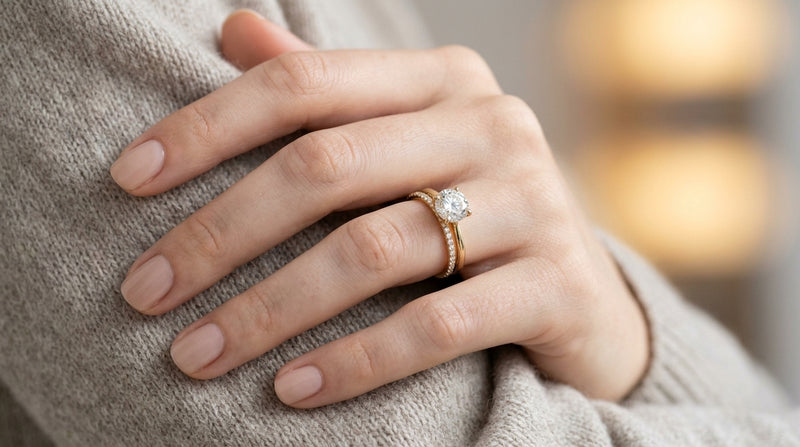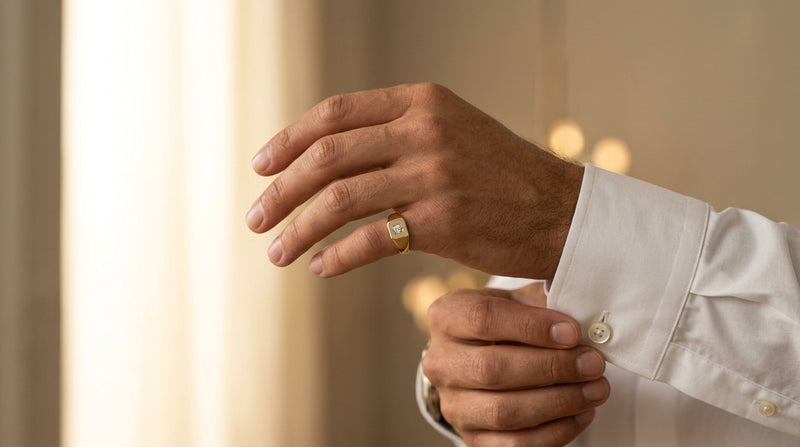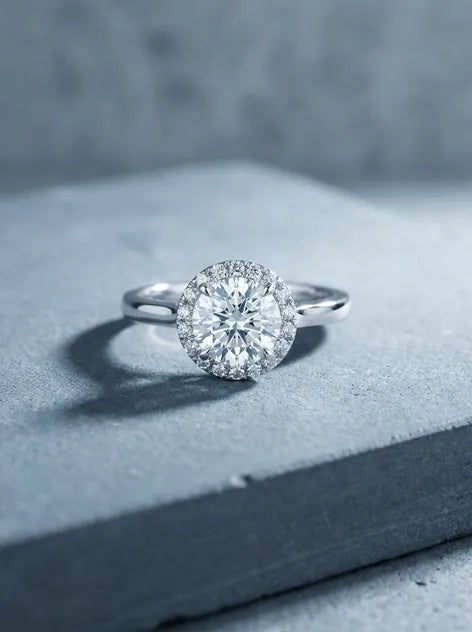
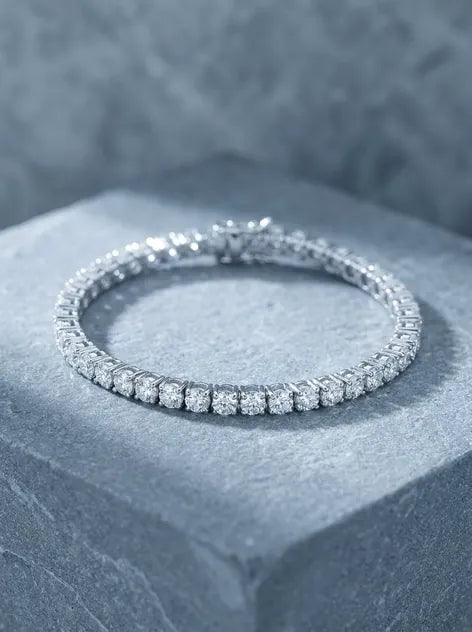
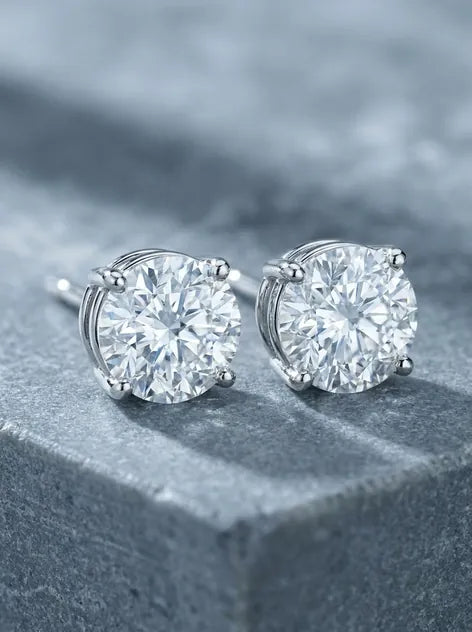
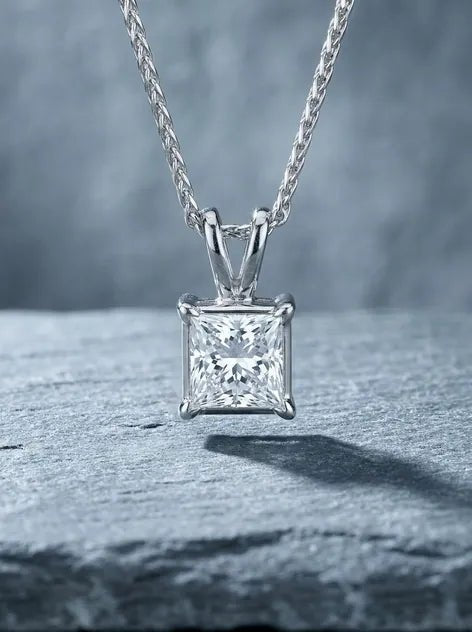


Lab-grown rings hold diamonds and gemstones created in controlled laboratory conditions, with the same physical, chemical, and optical properties as mined stones. They cost substantially less than mined equivalents of the same size and grade, and their origin is fully documented and conflict-free. Lab-grown rings are produced by two methods, high-pressure high-temperature (HPHT) and chemical vapor deposition (CVD), and the category now covers diamonds, sapphires, and rubies alike. For weddings and engagements they have become the practical alternative for buyers who want a real diamond without the mined-diamond price. Judge a lab-grown stone the same way you would judge any other: check the 4Cs, cut, color, clarity, and carat weight, insist on a grading report from the International Gemological Institute (IGI) or the Gemological Institute of America (GIA), and look for clean symmetry in fancy shapes like pears, hearts, and marquises.
General Electric grew the first laboratory diamonds in 1954 using the high-pressure, high-temperature method. The chemical vapor deposition process arrived decades later and matured through the 1980s, opening the door to the gem-quality stones sold today.

How Are Lab-Grown Diamonds and Gemstones Created?
Lab-grown diamonds are created by two methods, high-pressure high-temperature (HPHT) and chemical vapor deposition (CVD), and both start with a tiny diamond seed crystal placed in a growth chamber. In the HPHT method, the seed sits in a chamber with a carbon source (often graphite) and a metal catalyst; crushing pressure and temperatures around 1,500°C melt the carbon, which then crystallizes onto the seed, layer by layer, until a rough diamond forms. It is essentially the conditions deep inside the earth, reproduced in a machine, and the same equipment grows the lab-grown diamonds set in finished rings.
The CVD method works at lower pressure. Carbon-rich gases such as methane and hydrogen are heated to roughly 800°C until they break down into a plasma, and carbon atoms rain down onto the seed crystal, building the diamond one atomic layer at a time. The process runs for several weeks before the stone is ready to cut.
Which Metals Best Complement Lab-Grown Rings?
Platinum, white gold, yellow gold, and rose gold all complement lab-grown rings, and mixed metals combine their strengths:
- Platinum & White Gold: Platinum is the premium option, naturally white, scratch-resistant, and a longtime favorite for engagement and wedding rings. White gold gives nearly the same look for less, with the caveat that its rhodium plating needs renewing every year or so.
- Yellow Gold: A warm, classic metal that flatters warm skin tones and never needs replating. Against a bright lab-grown diamond, the contrast of warm band and icy stone is a look that never dates.
- Rose Gold: A pink-toned alloy with a soft, romantic character, especially good with morganite and blush-colored stones. It costs less than platinum and reads distinctly modern.
- Mixed Metals: The answer for anyone who can't pick one color, platinum claws gripping the stone, a gold band beneath. It is also a natural route for couples customizing a wedding set or engagement rings to their own taste.
What Gemstones Are Available in Lab-Grown Rings?
Lab-grown rings are available with diamonds, sapphires, emeralds and rubies, and fancy colored diamonds:
- Diamonds: The flagship of the category and the usual choice for engagements and weddings. A lab-grown diamond is visually identical to a mined one, the same sparkle, the same hardness. Inspect fancy shapes for the bow-tie effect before buying, exactly as you would with a mined stone.
- Sapphires: Best known in blue but grown in nearly every color except red. Lab sapphires are durable, luxurious-looking stones with the same traditional associations of divinity and royalty as their mined counterparts.
- Emeralds & Rubies: Lab-grown emeralds carry emerald's rich green with far fewer of the inclusions that make mined emeralds fragile, though the stone still deserves a protective setting. Lab rubies bring deep red at an accessible price, check for gas bubbles or curved growth lines, the telltale flaws of a poorly grown stone.
- Fancy Colored Diamonds: Yellow, pink, blue, and other colors that are extremely rare in nature can be grown deliberately in the lab. These stones are graded on their own fancy-color scale rather than the standard colorless scale, and reputable ones come certified by gemological laboratories such as the GIA.
How Can You Choose the Perfect Lab-Grown Ring?
Choose a lab-grown ring by deciding the cut, balancing carat weight against clarity, picking a setting, matching the metal, and verifying certification:
- Determine Desired Cut: Cut quality decides how much light the stone returns, so weigh it above everything else. Symmetry matters most in marquise, pear, and heart shapes, where any lopsidedness is immediately visible.
- Select Ideal Carat Weight & Clarity: Because lab-grown stones cost less per carat than mined ones, a larger stone is within reach at the same budget. The controlled growth environment also means fewer inclusions on average; a VS1 or VS2 clarity grade gives you an eye-clean stone without paying for perfection you can't see.
- Choose a Setting: The setting protects the stone and shapes the ring's character. Prongs lift the stone and make it look larger, a halo locks it in while adding sparkle, and a three-stone design frames it with extra fire.
- Consider Metal & Style: Match the metal to your budget and habits, yellow gold for low maintenance, platinum for maximum durability, rose gold for a softer, more romantic ring. The stone is only half the design.
- Check Certification: Ask for an IGI or GIA grading report and read the 4C breakdown before you commit. A certified stone is the only kind worth buying, lab-grown or mined.
How Do Lab-Grown Rings Fit Different Lifestyles and Occasions?
Lab-grown rings fit nearly every lifestyle because they deliver genuine diamond quality with less financial risk and a documented, ethical origin. As engagement rings they are indistinguishable on the hand from mined stones, which is why modern couples increasingly choose them. Fancy colors keep pace with changing fashion, and the lower replacement cost takes much of the stress out of wearing a substantial stone every day.
How to Care for and Maintain Lab-Grown Rings?
Care for lab-grown rings exactly as you would mined ones: soak them in warm water with mild soap, work a soft-bristle brush into the setting's crevices, and rinse clean. Check the prongs regularly and have any loose one tightened before the stone can shift. A professional cleaning and inspection every six months keeps the ring bright, and storing it separately from other jewelry prevents the scratches that come from pieces rubbing together.