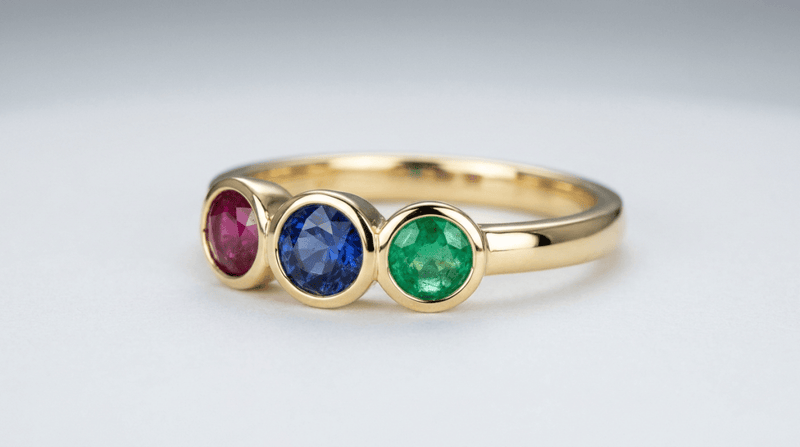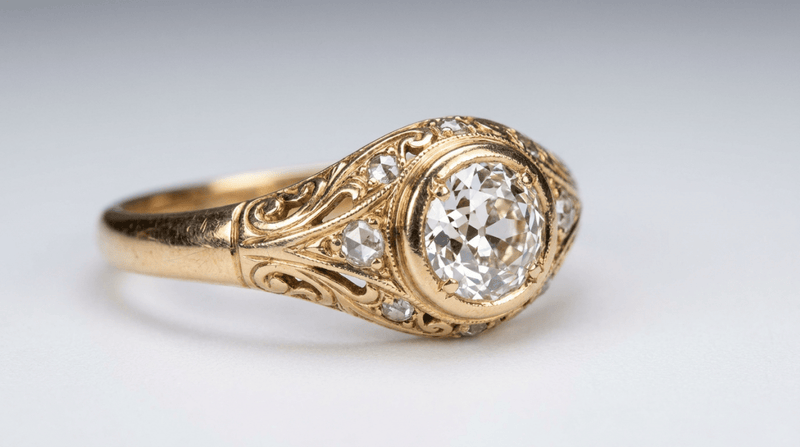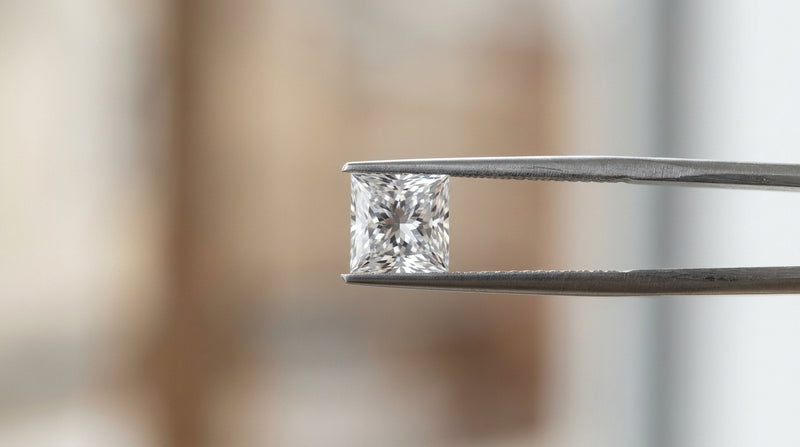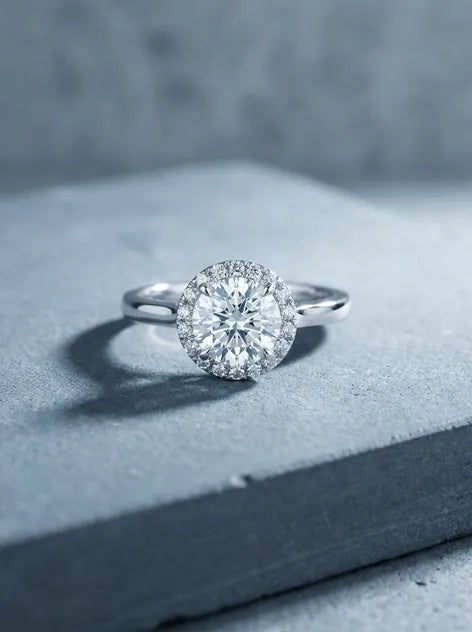
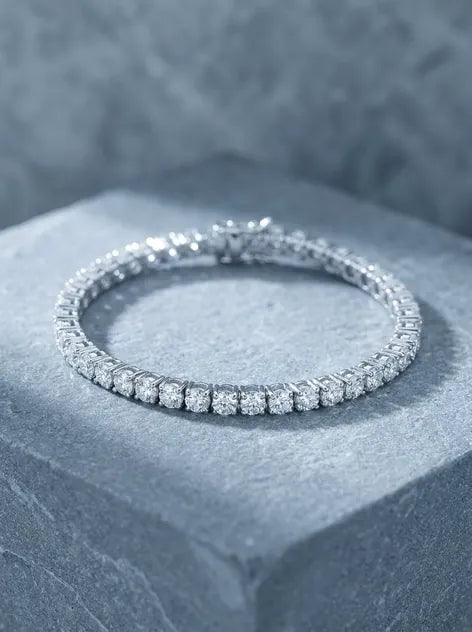

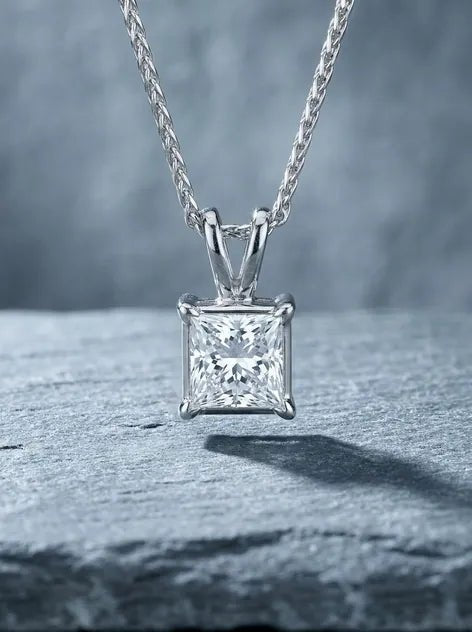


An anniversary ring celebrates a milestone in a marriage, a renewal of the vows made on the wedding day. Unlike wedding and engagement rings, which mark the start of the journey, anniversary rings honor how far the love has already carried. There is no fixed rule for wearing one: it can go on any finger or stack with the wedding set. Most are given on the milestone years, the 1st, 5th, 10th, 25th (the silver anniversary), and 50th (the golden anniversary).
The tradition began in ancient Rome, where husbands gave their wives a silver wreath on the 25th anniversary and a gold one on the 50th to honor the years behind them. The Victorian era popularized diamond and pearl rings for the same occasions, symbols of eternity and purity. The custom keeps evolving, couples now exchange anniversary rings in both directions, and many give them for other meaningful moments too: the birth of a child, a vow renewal, or a hard-won career achievement.

What Are the Different Types of Anniversary Rings?
The six types of anniversary rings are eternity, half-eternity, three-stone, stackable, solitaire, and vintage or custom designs.
- Eternity Rings: A continuous line of diamonds or gemstones circles the band, throwing sparkle from every angle. The unbroken row stands for infinite love and unshakable commitment. These are favorites for major milestones like the 10th anniversary and beyond.
- Half-Eternity Rings: Gemstones cover only the top of the band, leaving plain metal underneath. That keeps the ring comfortable, affordable, and easy to resize while carrying the same meaning as a full eternity design.
- Three-Stone Rings: Also called trilogy rings, these set a larger center stone between two smaller companions. The three stones stand for the couple's past, present, and future, an anniversary gift with a built-in story about where you have been and where you are headed.
- Stackable Rings: Crafted to sit alongside the engagement and wedding rings, stackable bands build a personalized set that grows with the relationship. They suit anyone who enjoys curating a look one piece at a time.
- Solitaire Anniversary Rings: Best known as engagement rings, solitaires work just as well for anniversaries. A single diamond or gemstone at the center makes a plain statement: one love, unchanged.
- Vintage or Custom Anniversary Rings: Designed from scratch to capture a specific era. Art Deco, Edwardian, or a specific story. Some couples work heirloom jewelry into the new piece, carrying family history forward in the design.
What Metals Are Best for Anniversary Rings?
Gold, platinum, palladium, sterling silver, and mixed metals are the five best choices for an anniversary ring.
- Gold (Yellow, White, Rose): Gold remains the standard for wedding, engagement, and anniversary rings alike. Purity is measured in karats, 24K is pure, but pure gold is too soft for daily wear, so it is alloyed for strength: copper and silver produce yellow gold, palladium and silver alloys plated with rhodium produce white gold, and extra copper produces durable rose gold. Higher-karat gold is richer in color but softer.
- Platinum: The most durable of the precious metals, capable of lasting a lifetime. It suits sensitive skin, since it contains none of the nickel that makes some white gold irritating. Platinum is denser than other metals and develops a patina over time, which a jeweler can polish away.
- Palladium: A lighter, more affordable member of the platinum family. It is naturally silvery-white and hypoallergenic. Its very high melting point means resizing is a job for a jeweler, not a quick fix.
- Sterling Silver: An alloy of 92.5% pure silver and 7.5% copper, sterling delivers an elegant look at an accessible price. It tarnishes on contact with air and moisture, so it asks for more regular care than gold or platinum.
- Mixed Metals: For anyone who finds all-gold or all-platinum too predictable, combining metals creates a distinctive two-tone design. Rose gold, yellow gold, and platinum pairings are the most popular.
What Are the Popular Gemstones for Anniversary Rings?
Diamond, sapphire, ruby, emerald, and colorful stones like amethyst, topaz, and aquamarine are the popular gemstones for anniversary rings.
- Diamond: The traditional marker of a decades-long bond. A diamond is customary for the 10th and 60th anniversaries, standing for a commitment built to last a lifetime.
- Sapphire: Blue sapphire signifies loyalty and sincerity and is traditionally given on the 5th or 45th anniversary. Its durability makes it a practical everyday stone as well as a symbolic one.
- Ruby: The red of a ruby stands for vibrant, enduring passion. It is the traditional gem for the 15th and 40th anniversaries.
- Emerald: Green emerald signifies hope, growth, and renewal. Given on the 20th or 55th anniversary, it honors a love that has weathered time and kept growing.
- Amethyst, Topaz, or Aquamarine: Colorful alternatives for couples who want a band as individual as they are. Each stone brings its own hue and its own meaning to the design.
How Do You Choose the Right Anniversary Ring for Your Partner?
Choose an anniversary ring by studying your partner's style, matching their existing jewelry, adding meaningful details, balancing budget with quality, and thinking about long-term comfort.
- Consider Their Style: Pay attention to what your partner already wears, classic, vintage, or modern, and which metals they reach for. Their saved photos and boards often reveal preferences they have never said out loud.
- Match Existing Jewelry: Pick a metal that works with the pieces they wear daily so the new ring stacks cleanly. A white gold band, for example, can deliberately contrast or blend with a rose gold wedding set.
- Select Meaningful Details: A custom touch, an engraving, a significant stone, a hidden detail, turns a beautiful ring into a personal one. Meaning is what separates an anniversary ring from ordinary jewelry.
- Balance Budget and Quality: Buy the best quality your budget allows rather than the biggest stone. Lab-grown stones are a smart way to get impressive style at a lower cost.
- Think Long-Term Comfort: Match the ring to their lifestyle. An active partner will get more wear out of a protective, low-profile design like a bezel setting than a delicate one.
When Should You Give an Anniversary Ring?
Anniversary rings are traditionally given on milestone years, the 1st, 5th, 10th, 20th, 25th, and 50th anniversaries. The 25th is known as the silver anniversary, the 50th as gold, and the 60th as the diamond anniversary. Beyond the calendar, couples give these rings for other meaningful moments, like the birth of a child. There are no set rules, the right time to give an anniversary ring is whenever it feels right to the two of you.
How Do You Care for and Maintain Your Anniversary Ring?
Care for an anniversary ring by removing it before cleaning, gardening, exercising, or handling harsh chemicals, that alone preserves most of its finish. Protect it from hard knocks, since even durable stones can chip on impact. Wash it with mild soap in warm water, soaking for ten to fifteen minutes when it needs a deeper clean. Store it apart from other jewelry to prevent scratches, and keep the ring's paperwork on file for future service and repairs.
What Are the Latest Trends in Anniversary Rings?
The latest anniversary ring trends are stackable bands, colored gemstones, vintage revival designs, and gender-neutral styles.
- Stackable Bands: Adding a band for each milestone builds a collection that reads like a timeline of the marriage. The stack becomes the story.
- Colored Gemstones: More couples are stepping past the classic white diamond toward sapphires, rubies, and other colorful stones. Color makes the ring personal in a way carat weight cannot.
- Vintage Revival: Intricate detailing and old-world craftsmanship are drawing couples back to vintage-inspired designs. The appeal is a ring that looks like it already has a history.
- Gender-Neutral Rings: Many couples now skip traditional gender labels entirely, choosing elegant, meaningful designs that either partner can wear.