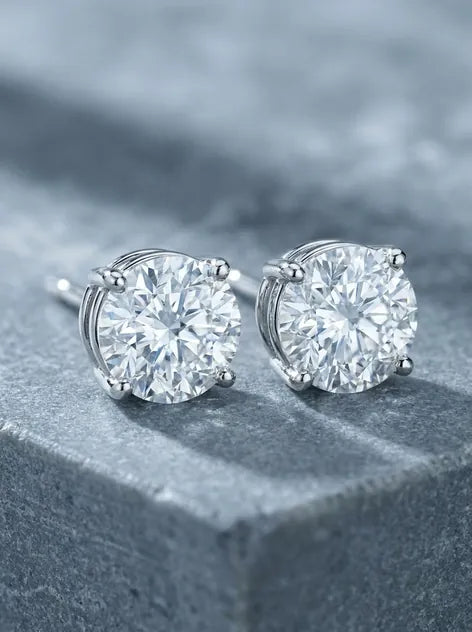
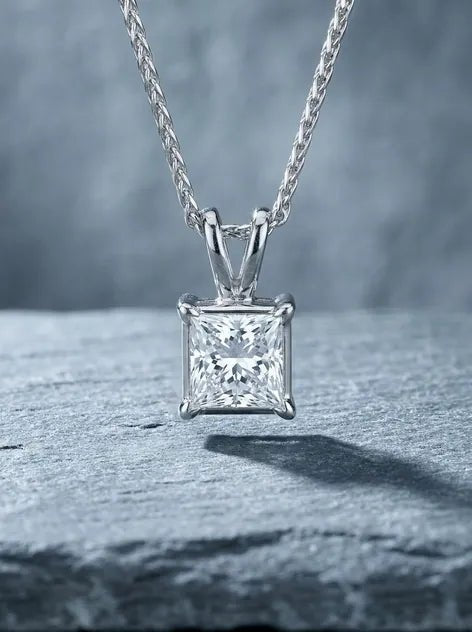


Heart cut rings carry the most literal symbol of love in fine jewelry: a diamond cut into a true heart, with 56 to 58 brilliant-style facets for strong sparkle. The shape is judged first by its length-to-width ratio, and 0.90 to 1.10 is the classic range, balanced lobes on top, a clean point below. Before you buy, check the stone for the bow-tie effect, a dark shadow across the lobes and belly of a poorly cut heart that dulls its appeal. The setting matters more here than with most shapes, because the point and the cleft between the lobes are the spots most likely to chip; a good setting protects both and can make the diamond read larger. Some buyers choose a ruby or emerald instead of a diamond, whatever the stone, symmetry is what makes a heart look right.
The shape has real history behind it. Mary, Queen of Scots, sent a heart-shaped ring to Queen Elizabeth I in 1562, and heart-shaped stones have stood for love and goodwill ever since.

What Are the Popular Variations of Heart Cut Rings?
The four popular variations of heart cut rings are the classic heart, the elongated heart, the miniature heart, and the east-west heart. They differ in length-to-width ratio and in how the stone sits on the finger:
- Classic Heart: The standard proportion, with a length-to-width ratio of 0.90 to 1.10, two even lobes, and a defined point. This is the version most often chosen for engagements, usually in platinum or white gold. Claw or prong settings hold the diamond securely and shield the point.
- Elongated Heart: A stretched silhouette with a ratio of 1.10 or higher. The longer outline makes fingers look slimmer, and the departure from traditional proportions reads as a distinctive, modern choice.
- Miniature Heart: A rounder, fuller cut with a ratio of roughly 0.75 to 0.85. The stone looks shorter and plumper than a classic heart, giving the hand a soft, rounded effect rather than a lengthening one.
- East-West Heart: Here the change is orientation, not proportion, the heart-shaped diamond is set sideways across the finger, the way a pear-shaped stone is sometimes turned. Most buyers keep the heart upright, so this setting stands out on the hand.
Which Ring Settings Best Complement Heart-Cut Stones?
Five settings complement heart-cut stones best: solitaire, halo, three-stone, vintage, and bezel or prong protection. Each one secures the vulnerable point of the heart in a different way:
- Solitaire: A solitaire ring presents the heart alone on the band, held by prongs or claws that guard the point and cleft from chipping. Some solitaires add a halo setting around the stone for extra fire without changing the clean single-stone look.
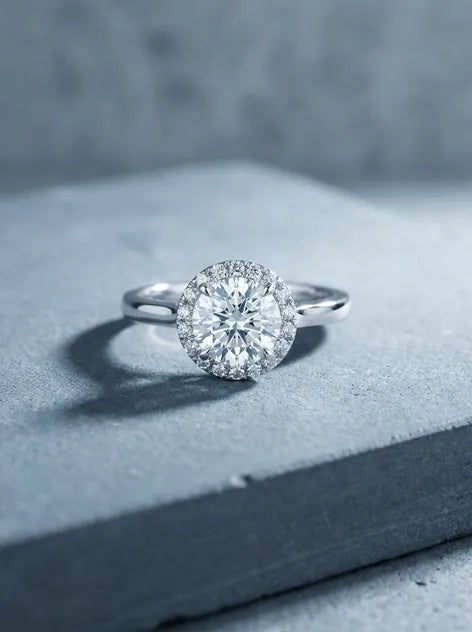
- Halo Setting: A ring of small pavé diamonds circles the main heart-shaped diamond. The halo adds sparkle from every angle and makes the center stone look noticeably larger than it is.
- Three-Stone Rings: Two smaller stones flank the heart, one on each side. They frame the center stone, draw the eye to it, and buffer the point and cleft against knocks and friction.
- Vintage Designs: Filigree and milgrain detailing worked into the band gives the ring an heirloom character. The intricate metalwork pairs well with the romantic shape of the heart and still wears comfortably every day.
- Bezel or Prong Protection: A V-shaped prong at the tip, or a full set of five or six prongs, is the most common way to secure a heart and can make the stone appear larger. A bezel takes the opposite approach, a slim metal rim wraps the entire outline, giving heart-cut rings a low, snug profile that is hard to chip.
Which Gemstones Work Best in Heart Cut Rings?
Diamonds, sapphires, rubies, emeralds, and morganite work best in heart cut rings. Here is how the five compare:
- Diamonds: The first choice for engagement and wedding rings. A well-cut diamond heart shows the strongest brilliance of any option, and its hardness holds up to daily wear.
- Sapphires: Best known in deep blue, though sapphires come in nearly every color except red. At 9 on the Mohs scale they are durable enough for everyday rings. The stone has long been tied to royalty, which suits a formal heart design.
- Rubies: A natural match, a red stone in the shape of a heart says exactly what it means. Rubies also score 9 on the Mohs scale, so heart-cut rings set with them stand up to regular wear while signaling love, passion, and courage.
- Emeralds: A rich green stone that rates 7.5 to 8 on the Mohs scale, softer than sapphire or ruby. An emerald heart needs a protective setting such as a bezel or halo because the stone is more prone to chipping. In return you get a color no other classic gem matches.
- Morganite: A peachy-pink stone with warm orange undertones and a soft, feminine character. It costs far less than diamond, and most buyers pair it with a rose or yellow gold band that echoes its warmth.
What Metals Complement Heart Cut Rings Best?
Platinum, white gold, yellow gold, and rose gold all complement heart cut rings, and mixed-metal designs combine their strengths:
- Platinum & White Gold: The cool white tone makes a colorless diamond look its brightest, which is why these two metals dominate bridal heart rings. Platinum is the more durable of the pair; white gold gives a similar look with periodic rhodium replating.
- Yellow Gold: A warm, traditional metal that flatters morganite, ruby, and emerald hearts. It never needs replating, so upkeep stays simple.
- Rose Gold: The pink tone softens the sharp outline of the heart and blends beautifully with peachy morganite. It reads romantic without being formal.
- Mixed Metals: A common combination is a yellow gold band with platinum prongs, warm color on the hand, maximum security at the stone. Two looks in one ring.
How Can You Choose the Perfect Heart Cut Ring?
Choose a heart cut ring by checking symmetry, picking a length-to-width ratio that suits your hand, matching the metal to the stone, adding protective side stones or a halo, and insisting on clean cut quality:
- Check Symmetry: Both lobes should match in size and shape, with the point centered directly below the cleft. Uneven lobes are the most common flaw in heart shapes, so inspect the outline before anything else.
- Length-to-Width Ratio: Try classic, elongated, and miniature proportions on your own hand. The ratio that photographs best is not always the one that suits your fingers.
- Metal Selection: Match the metal to your budget and to the color of the stone. White metals sharpen a diamond; warm golds flatter colored gems.
- Consider Halo or Side Stones: Either option protects the center stone and makes it look bigger. A halo adds all-around sparkle, while side stones frame the heart and guard its edges.
- Focus on Cut Quality: Look closely at the cleft, the point, and the curve of the lobes, each should be crisp and even. A shadowy bow-tie across the middle is the sign of a cut worth passing on.
How to Care for and Maintain a Heart Cut Ring?
Care for a heart cut ring by soaking it in warm water with mild soap, rinsing it clean, and having a jeweler inspect it every six months. The point of the heart takes more stress than any other part of the stone, so watch the setting closely, loose claws or a worn bezel edge should be repaired before the stone can shift. Store the ring in its own box or pouch, away from other pieces, so harder stones and metal edges cannot scratch it.