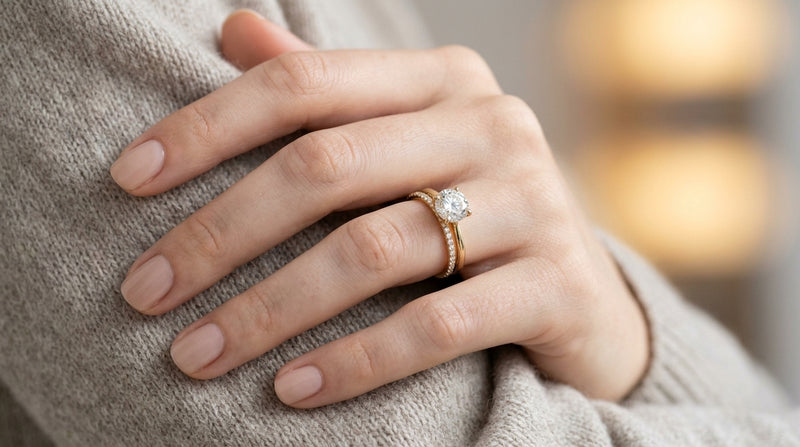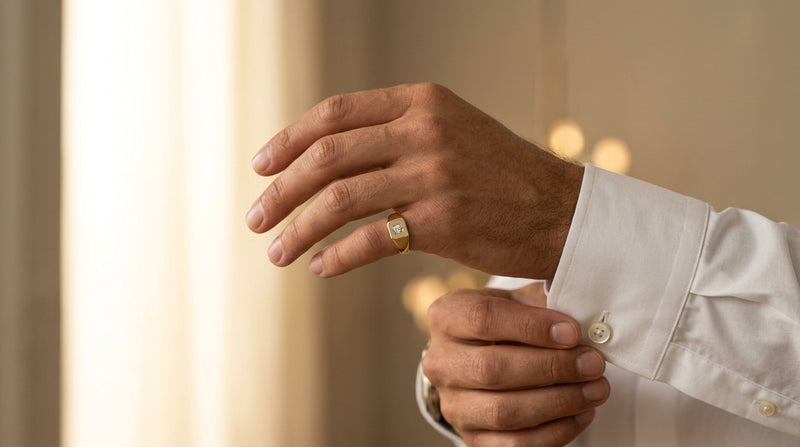


Yellow gold rings are the warmest and most traditional choice in fine jewelry, and with proper alloying they last for generations. Yellow gold rings have long stood for tradition, wealth, and prosperity. Pure gold is too soft for daily wear, so it is alloyed with metals such as silver and copper for strength; the higher the karat, 14k, 18k, or 22k, the more gold the ring contains and the higher its price. The warm hue flatters people with warm skin tones especially well, and it pairs with virtually any gemstone regardless of color, cut, or clarity. Unlike white gold, yellow gold needs no rhodium replating, which makes it one of the lowest-maintenance metals you can wear. Buy from a jeweler who sources responsibly, and choose the design around how you'll wear it, many buyers pick yellow gold for engagements and weddings precisely for its traditional, vintage character.
Gold has been worked into jewelry for millennia, the Egyptians were mining and wearing it by 2600 B.C., and the great gold rushes of the 19th century in America, Australia, and Africa spread it worldwide.
What Are the Popular Styles of Yellow Gold Rings?
The five popular styles of yellow gold rings are the solitaire, the halo, three-stone and side-stone designs, vintage filigree work, and stackable bands:
- Solitaire Rings: From the Latin for "single," a solitaire puts one stone on a plain gold metal band. Solitaire setting options include bezel, claws, or prongs, each balancing security against how much of the stone shows.
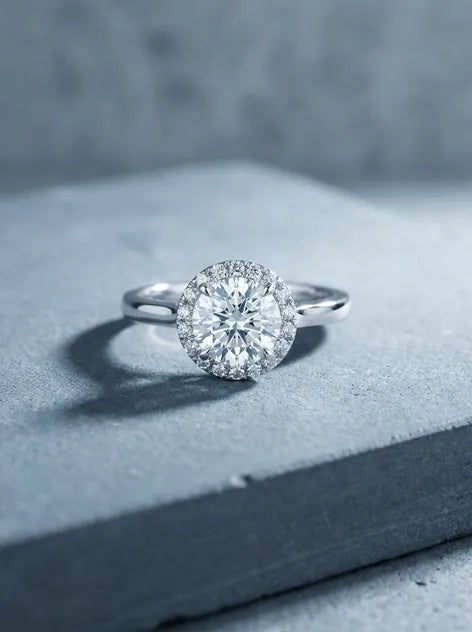
- Halo Rings: A circle of small pavé diamonds surrounds the main stone; a double halo adds a second ring of them. Against warm gold the contrast is striking, and the halo both protects the center stone and makes it look larger.
- Three-Stone & Side-Stone Rings: Three-stone rings place a smaller diamond on each side of the center stone. The trio creates a natural focal point and buffers the main stone from everyday knocks.
- Vintage & Filigree Designs: Intricate filigree scrollwork and milgrain edging give yellow gold its most traditional expression. Set with diamonds or sapphires, these rings manage to look both antique and current.
- Stackable Rings: Multiple slim gold bands worn together and rearranged at will. Most stackers start plain, but gem-set bands can join the stack whenever you like, so the set grows with the years.
Which Gemstones Pair Best with Yellow Gold Rings?
Diamonds, rubies and sapphires, emeralds, lab-grown stones, and colored diamonds all pair well with yellow gold rings:
- Diamonds: A colorless diamond on a yellow gold band is the definitive traditional ring. The warm metal frames the stone's brilliance and gives the whole piece a rich, royal character.
- Rubies & Sapphires: Red ruby glows against gold, and sapphire, most famous in blue but cut in many colors, brings a cooler counterpoint. Both stones are hard enough for daily wear and both carry centuries of symbolism.
- Emeralds: Green emerald against warm gold is a vivid, confident pairing. The combination reads slightly vintage, which suits emerald's old-world reputation.
- Lab-Grown Stones: Lab-grown stones are chemically and optically identical to mined gems, at a friendlier price and with a documented origin. They style on a gold band exactly as mined stones do, which makes them an easy choice for eco-conscious buyers.
- Colored Diamonds: Yellow gold flatters fancy-colored diamonds of nearly any shade, yellow stones blend into the band's warmth, while pink or green stones pop against it.

How Can You Choose the Perfect Yellow Gold Ring?
Choose a yellow gold ring by settling its purpose, picking the right karat, matching the gemstone, deciding the design and finish, and planning for daily wear:
- Determine Ring Purpose: Yellow gold suits every occasion, engagement, anniversary, wedding, or daily fashion, but the purpose should drive the design. A daily ring needs a sturdier build than one saved for events.
- Select Appropriate Carat: The gold content sets both the color depth and the price. 24K is pure gold and too soft for a ring that gets worn hard; 18K balances richness and strength, and 14K is the practical pick for everyday use.
- Choose Gemstone Compatibility: Confirm the stone suits both the band and your routine. Yellow gold works with red, green, blue, and colorless stones alike, so choose on hardness and meaning rather than color.
- Pick Design & Finish: Settle the setting, the stone shape, pear, marquise, or heart, and the surface finish. A matte finish hides small scratches in daily wear; a high polish shines for special occasions.
- Consider Daily Wear: If the ring will rarely leave your hand, favor a secure six-prong or claw setting and a comfortable band profile. A ring you can trust day to day is one you'll actually wear.
What Are the Advantages of Yellow Gold Rings?
The advantages of yellow gold rings are their timeless style, durability with low upkeep, versatility with any stone, accessible price next to platinum, and a warm hue that flatters:
- Timeless & Elegant: Gold has never gone out of style in five thousand years of jewelry, and it isn't starting now. A well-made yellow gold ring holds both its charm and its intrinsic value.
- Durable & Long-Lasting: Because the color is the metal itself, there is no plating to wear off, a genuine maintenance advantage over white gold. Yellow gold stands up to daily wear and a simple polish brings it back to life.
- Versatile Pairing: Like platinum and white gold, a yellow band accepts every gemstone. You can change or upgrade the stone over the years and the ring still looks intentional.
- Affordable Luxury: Yellow gold offers heritage and presence at a price well below platinum. Few purchases carry as much tradition for the money.
- Warm, Rich Hue: The color flatters warm and olive skin tones especially, and it suits wearers of every age. Gold reads generous and established rather than trendy.
How to Care for and Maintain Yellow Gold Rings?
Care for yellow gold rings by rinsing them in warm water with mild soap and working a soft-bristle brush into any engraved or filigree detail. Take rings off before showering or washing dishes, chlorine bleach in particular attacks gold alloys and dulls the shine. See a jeweler every six months for a professional cleaning, and have the setting checked at the same visit; a loose prong caught early is a cheap fix, while a lost stone is not.