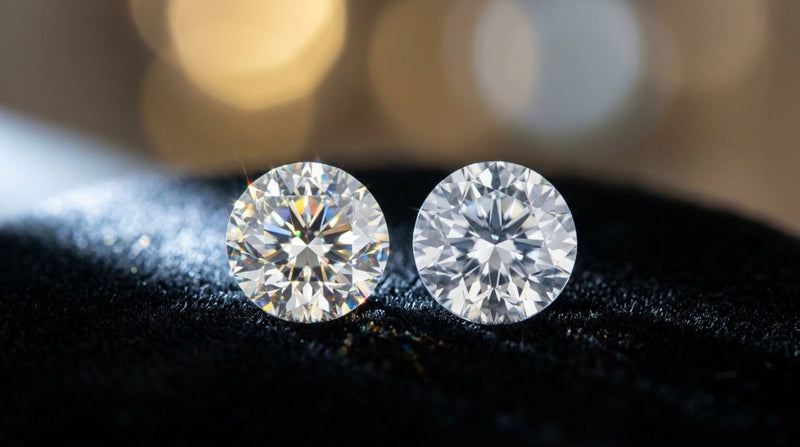
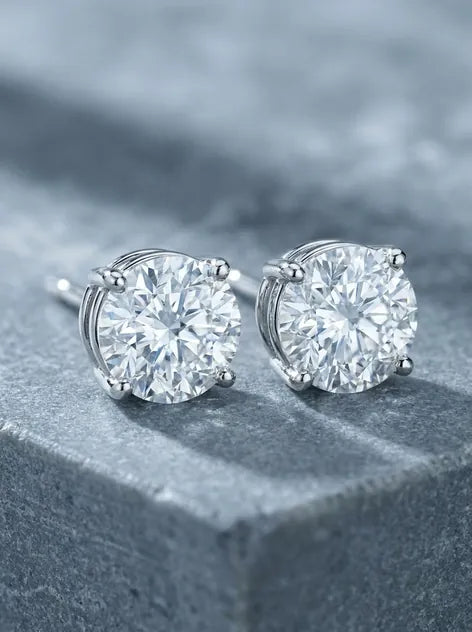
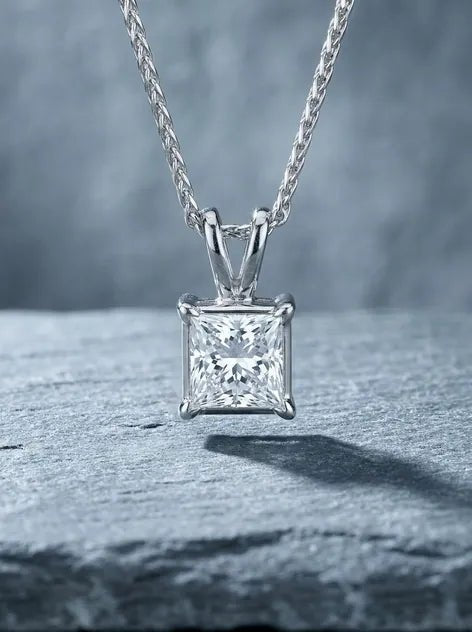


Lab grown diamond resale value is low. If you resell a lab-grown diamond, expect offers around 10 to 30 percent of what you paid at retail, and sometimes no buyer at all. We sell lab-grown diamonds and we'll still tell you that plainly, because the case for buying one was never resale. The case is what stays in your pocket upfront: thousands of dollars at every carat weight compared with a natural stone of the same grades.
That's the whole article in two sentences. What follows is the why, the actual numbers, and the honest answer to when resale value should change your decision.
Why Do Lab Grown Diamonds Have Low Resale Value?
It's supply, the same force that makes them cheap to buy.
- Production keeps growing. Labs can grow more diamonds every year, and growing them keeps getting cheaper. A used stone competes against a new one that costs less every season, so used prices sink.
- Retail prices are still falling. A lab stone bought a few years ago often retails for a fraction of its original price today, brand new. Any resale offer starts below that new price, not below what you paid.
- Jewelers won't hold falling inventory. A buyback only makes sense if the stone can be resold at a margin. When new prices drop monthly, yesterday's stone is a losing position, so most jewelers simply decline.
- There's no secondhand infrastructure yet. Natural diamonds have a century of dealers, auction houses, and trade-in programs. Lab-grown has marketplaces and pawn offers. The gap shows up directly in what you're offered.
Do Natural Diamonds Hold Value?
Better than lab-grown, but far worse than most buyers assume, and this part matters for an honest comparison. Sell a natural diamond back into the market and typical offers run 25 to 50 percent of retail. The retail markup you paid doesn't come back, dealer margins come out of your side, and ordinary stones aren't rare enough to appreciate. The genuine advantages natural holds are real: an established resale market, trade-in programs at many jewelers, and a price floor backed by limited supply. Truly rare stones can even gain value. But for a typical 1 or 2 carat engagement stone, "natural diamonds hold value" means losing half instead of losing most. Neither stone is an investment. One is just a smaller loss on paper, and as the next section shows, not even that in absolute dollars.
What Do You Pay vs What Would You Get Back, Carat by Carat?
Here's the comparison shoppers actually need, using typical retail buying prices and typical resale offers.
- 1 carat lab grown diamond: buy for roughly $500 to $1,500 at retail; resale offers commonly land between $100 and $400.
- 2 carat lab grown diamond: buy for roughly $1,000 to $3,000 at retail; resale offers commonly land in the few-hundred-dollar range, rarely above $900.
- 1 carat natural diamond: buy for roughly $4,000 to $6,000 at retail; resale offers commonly land between $1,500 and $3,000.
- 2 carat natural diamond: buy for roughly $10,000 to $20,000 at retail; resale offers commonly land between $4,000 and $9,000.
These are market figures, not quotes, and grades move every number. But the shape of the math doesn't change, and it's the shape that matters.
What Is the Math That Actually Matters?
Percentages hide the real answer, so run it in dollars. Buy a 1 carat lab stone for $1,200 and sell it for $250, and you're out $950. Buy a comparable natural stone for $5,000 and sell it for $2,200, a much better recovery rate, and you're out $2,800. The "worse" resale stone cost you a third as much in actual money lost. The lab buyer also kept roughly $3,800 at purchase, which is real cash today, not a maybe-someday resale figure.
And here's the quiet fact behind this whole topic: most engagement rings are never sold. They're worn for decades and handed down, and a ring that's never sold has a resale value of exactly nothing either way. Our heirloom jewelry guide makes that case properly: the value a ring carries at that point is the story, not the stone's market price.
When Should Resale Change Your Decision?
- You expect to trade up later: lean natural. Many jewelers run trade-in programs for natural stones and almost none do for lab-grown. If upgrading the center stone at your tenth anniversary is genuinely the plan, the natural premium buys you that path.
- You see the ring as a keeper: resale is irrelevant, so buy the best stone your budget reaches. For most couples that's lab-grown, because the same money buys higher color and clarity grades or a full extra carat.
- You want a hedge you can liquidate: then don't buy a diamond at all, honestly. Neither origin resells well enough to be a store of value at consumer scale. Jewelry is for wearing; savings accounts are for saving.
If the upfront math wins, browse our lab-grown bridal sets: engagement ring and matching band made together in our own US factory since 2001, sold factory-direct without the retail markups the resale market never gives back. New to the category? Start with our lab-grown rings guide.
FAQ
How much can I sell a 2 carat lab grown diamond for?
Typically a few hundred dollars, and rarely above $900, even for a stone that cost $2,000 or more at retail. Offers depend on the grades and on who's buying; online marketplaces usually beat pawn offers. Get two or three quotes before accepting any of them.
Is it worth buying a lab grown diamond?
Yes, if you're buying a ring to wear, not an asset to sell. You get the same crystallized carbon as a natural diamond, graded on the same GIA scale, with consistently high color and clarity grades, for a fraction of the price. It's not worth buying if resale or trade-up value is a core part of your plan.
Is it hard to sell a lab grown diamond?
Yes. Most jewelers decline them outright, so you're left with online marketplaces, consignment, or pawn shops, and offers come in low. Plan on the sale taking effort and the price being a small fraction of retail.
Why won't jewelers buy back lab-grown diamonds?
Because new lab-grown prices keep falling, any stone a jeweler buys today competes tomorrow against a cheaper new one. There's no margin in holding it. It's inventory math, not a judgment on the stone's quality.