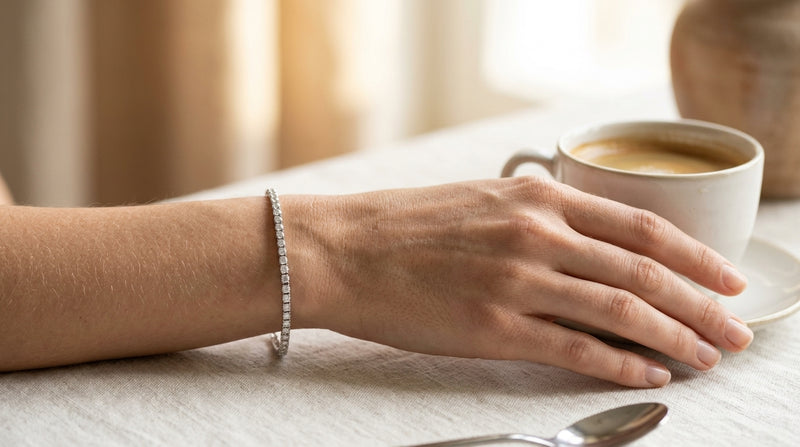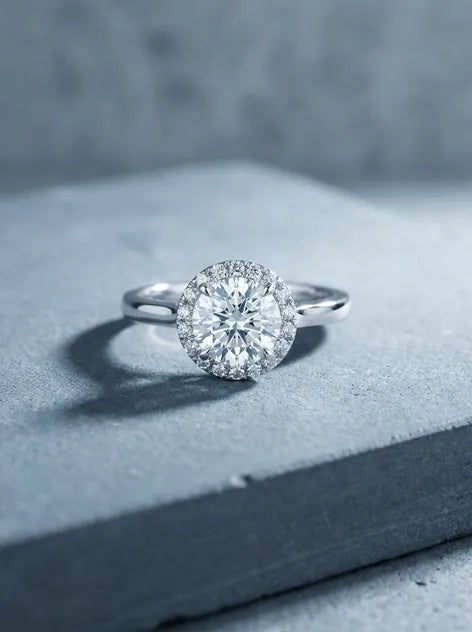
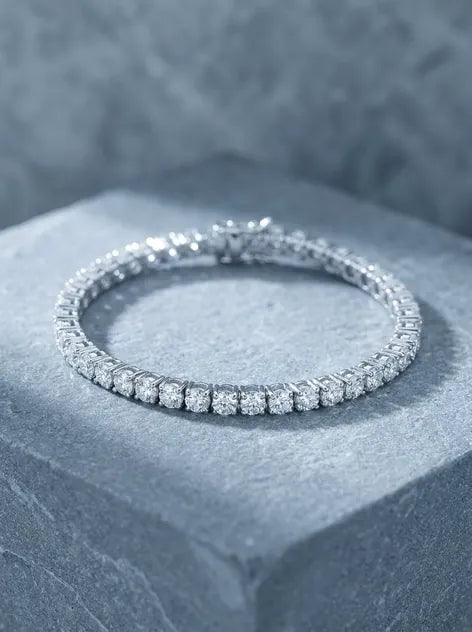
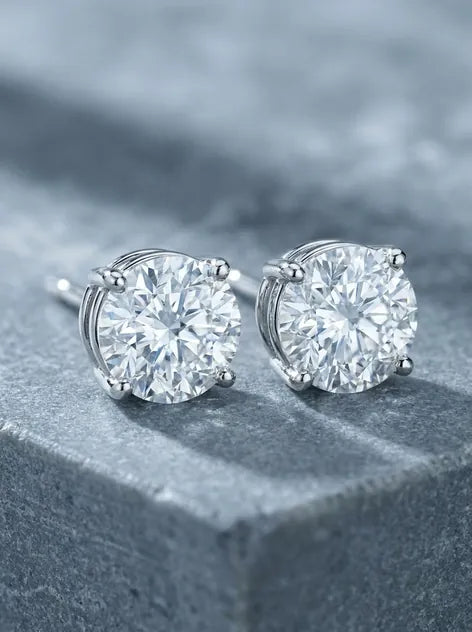


A real diamond tennis bracelet typically costs anywhere from about $700 to $25,000 and beyond at traditional retail, and the single biggest driver of where you land in that range is total carat weight. The honest answer to how much a tennis bracelet is depends on that number: a 1 carat total weight bracelet in 14K gold usually sits near the bottom of the range, a 5 carat bracelet lands in the middle four figures to low five figures, and a 10 carat showpiece can pass $40,000 in natural diamonds at a jewelry store counter.
Those are wide ranges, and that's honest, because two bracelets with the same carat weight can differ enormously in stone quality, metal, and where you bought them. Here's the same picture broken into a ladder, so you can find your budget on it instead of guessing.
What Are Diamond Tennis Bracelet Prices by Carat Weight?
These are typical retail ranges for natural diamond tennis bracelets in 14K gold. Treat them as the map, not the meter.
- 1 carat total weight: Typically $700 to $2,500 at retail. The stones are small, around 45 to 50 of them, so this reads as a fine, delicate line rather than a statement. It's the entry point to a real diamond bracelet.
- 2 carat total weight: Typically $1,500 to $5,000. Still delicate, but the row is now clearly visible across a table. A popular anniversary weight.
- 3 carat total weight: Typically $2,500 to $8,000. This is where the bracelet starts doing what people picture when they hear "tennis bracelet": a continuous, unmistakable line of light.
- 5 carat total weight: Typically $4,500 to $15,000. Each stone is now roughly a tenth of a carat or more. The bracelet reads as a serious piece in any room.
- 7 carat total weight: Typically $7,000 to $25,000. Individual stones approach 0.15 to 0.20 carats each, big enough that stone quality becomes visible and worth paying for.
- 10 carat total weight: Typically $12,000 to $45,000 and up in natural diamonds. At this weight every quality decision multiplies across the whole row, which is why the range is so wide.
What Actually Drives the Price?
Four things set the number, in this order:
- Total carat weight: The combined weight of every stone in the row. It's the headline spec and the main price lever. Doubling the weight roughly doubles-plus the price, because bigger individual stones cost more per carat.
- Stone quality: Color and clarity grades move the price at every weight. Here's the part a commissioned salesperson won't lead with: in a row of small stones, tiny inclusions are invisible. You don't need solitaire-grade clarity in a bracelet stone the size of a peppercorn. Pay for whiteness and cut consistency instead; that's what your eye actually sees.
- Natural vs. lab-grown: The same weight in lab-grown diamonds typically costs 40 to 60 percent less at retail. More on this below, because it changes what your budget buys more than any other decision.
- The metal: 14K vs. 18K gold is a modest difference; platinum adds more. But on a diamond bracelet the metal is a small slice of the total. The stones are where the money lives.
How Do Natural vs. Lab-Grown Tennis Bracelet Prices Compare?
A 5 carat natural bracelet and a 5 carat lab-grown bracelet look identical on the wrist, because lab-grown diamonds are real diamonds: same carbon, same hardness, same sparkle. The price gap is the difference: where a natural 5 carat row might run $4,500 to $15,000 at retail, a comparable lab-grown row often lands where a natural 2 to 3 carat would. In practice that means the lab-grown route buys you roughly double the diamond for the same money.
Lab-grown stones also consistently reach very high color and clarity grades, which matters in a bracelet where dozens of stones need to match. Natural diamonds carry the provenance and traditional resale story some buyers want, and that's a fair reason to choose them. Both are on the table; pick the one whose story you're paying for, not the one a salesperson steered you to.
Does the Gold Matter? Yellow, White, and Rose
Between yellow, white, and rose gold at the same karat, the price difference is minor; you're choosing a look, not a budget tier. Yellow gold frames each diamond with warm contrast and reads a little more classic. White gold disappears behind the stones so the whole bracelet reads as one icy line. Rose gold does what yellow does with a softer, pinker tone. Platinum is the one metal choice that meaningfully raises the price, because the metal itself is denser and more expensive, and it won't add sparkle. If the budget is tight, put the platinum difference into carat weight instead. That trade wins every time on the wrist.
Why Does Factory-Direct Pricing Change the Math?
The retail ranges above include a chain of markups: the manufacturer sells to a wholesaler, the wholesaler sells to the retailer, and the retailer marks up again to cover the mall lease and the commission. The bracelet doesn't get any better along the way; it just gets more expensive. We've manufactured diamond jewelry in our own US factory since 2001 and sell direct, so those middle layers simply aren't in our prices. Same stones, same gold, fewer hands in the price.
That's also why comparing bracelets on carat weight alone across stores misleads people. Ask any seller the same three questions: total carat weight, stone origin, and metal stamp, in writing. Once the specs are on paper, the price differences stop being mysterious.
When you're ready to put real numbers next to these ranges, browse our diamond bracelets and compare weights side by side. If you're starting from zero, read what a tennis bracelet is first, and check the bracelet size chart before you order so the fit is right the first time.
FAQ
How much should you spend on a tennis bracelet?
Spend what buys a weight you'll actually see, in a quality tier that's honest for small stones. My take from the bench: a 3 carat total weight is the sweet spot for daily wear, visible across a room but light enough to forget you have it on. Going lab-grown at that weight usually costs less than a natural 2 carat.
How much does a tennis bracelet typically cost?
Most real diamond tennis bracelets sell between about $1,500 and $15,000 at traditional retail, with 2 to 5 carat total weights making up the heart of that range. Below $700 you're usually looking at crystal or plated pieces, not diamonds. Above $25,000 you're in showpiece territory.
How much is a Cartier tennis bracelet?
Expect a five-figure price at the boutique for a Cartier diamond line bracelet. Part of that buys diamonds and gold; a large part buys the name on the clasp. Whether that premium is worth it is a personal call, but be clear-eyed that the stones themselves don't know who set them.
How much is a 7 carat tennis bracelet?
In natural diamonds, typically $7,000 to $25,000 at retail depending on stone quality. In lab-grown, the same weight commonly lands where a much smaller natural bracelet would. Seven carats is a genuine statement weight, with individual stones large enough that quality is visible to the naked eye.
How much is a 14k tennis bracelet worth?
The 14K gold itself is usually a small fraction of the value; a bracelet's worth lives in its diamonds. A 14K bracelet with 5 carats of good stones is worth many times one with 1 carat, even though the gold weight is nearly the same. Value the stones first, the metal second.