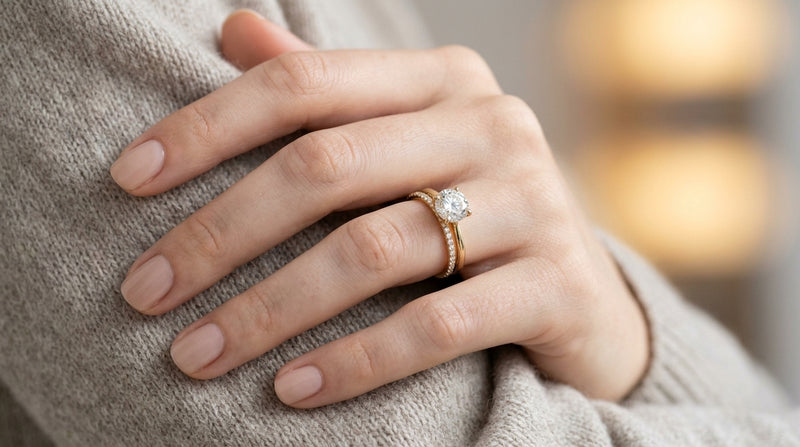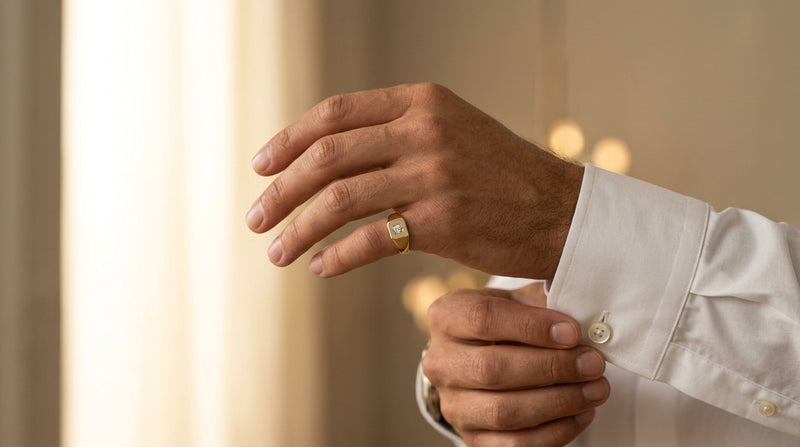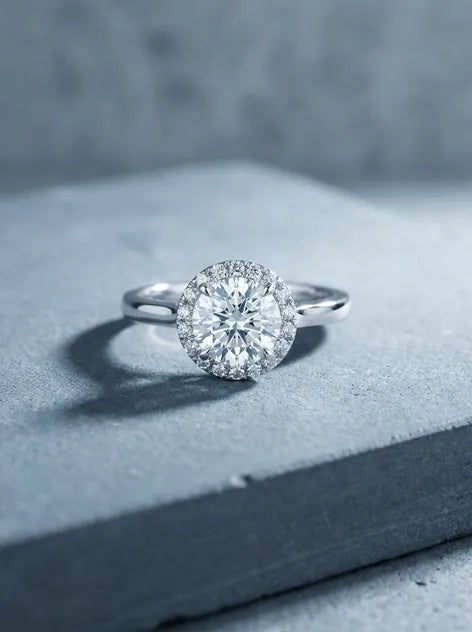
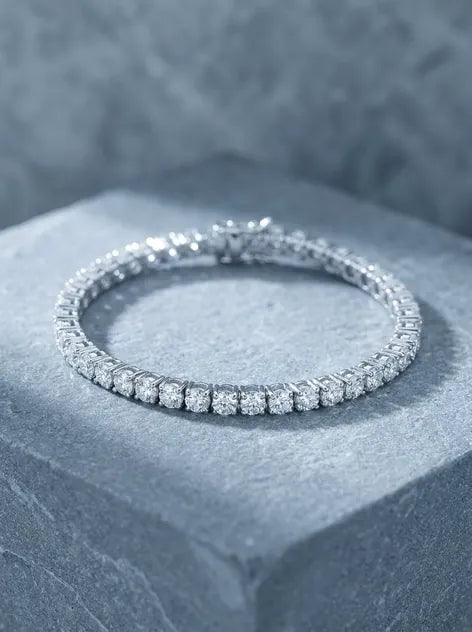


Split shank rings divide the band into two or more strands as it rises toward the center stone, giving the design dimension, elegance, and a built-in sense of movement. Many couples read the joining strands as a symbol of two lives converging on one shared journey. The split pairs naturally with halo, solitaire, and multi-stone designs, and jewelers craft it in platinum, yellow, rose, or white gold, and mixed metals.
Which Center Stones Complement Split Shank Rings Best?
Diamonds, colored gemstones, lab-grown stones, multi-stone settings, and unconventional shapes all complement a split shank well.
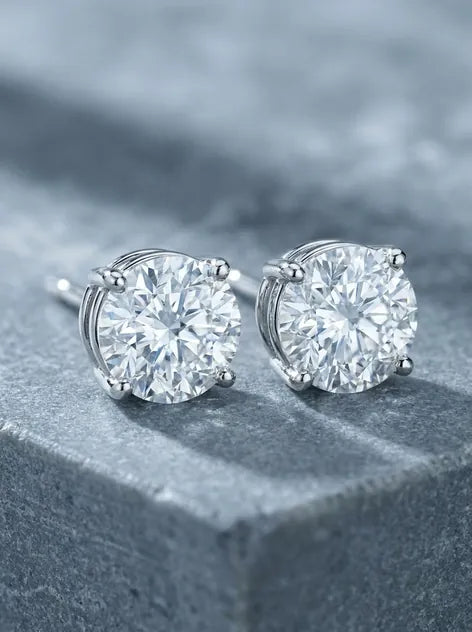
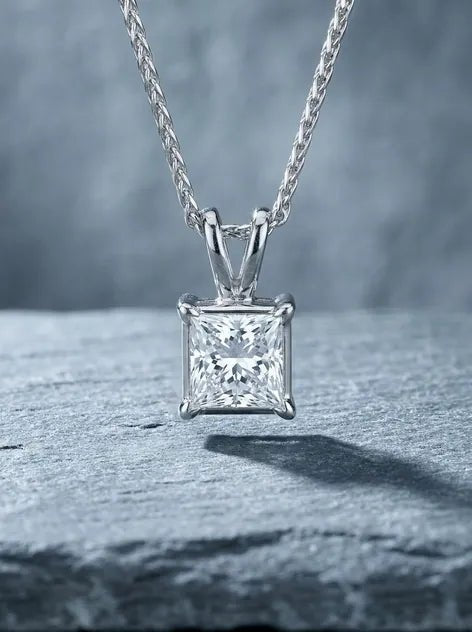
- Diamonds: The split band opens extra room for light, which amplifies a diamond's apparent size and brilliance. Diamonds reflect light from every angle, and their hardness stands up to daily wear better than any other stone.
- Colored Gemstones: Color carries meaning, blue sapphire for loyalty and royalty, deep red ruby for passion. A colored center stone suits anyone who wants a ring that breaks from tradition.
- Lab-Grown Options: Lab-grown stones match natural stones in brilliance and durability. They cost less, and buyers know exactly where the stone came from.
- Multi-Stone Settings: The split creates extra room across the top of the ring for additional stones. Three-stone layouts, side stones, clusters, and halos all fit the format naturally.
- Unconventional Shapes: Elongated cuts, marquise, oval, pear, cushion, and emerald cut, follow the lines of the split gracefully. Round stones work too, cutting against the split for a pleasing contrast.
What Styles of Split Shank Rings Are Trending?
The trending split shank styles are classic solitaire, halo, twisted or braided, vintage-inspired, and stackable designs.
- Classic Solitaire Split Shank: A single center stone above a clean split band, nothing more. It suits anyone who wants the drama of the split without extra accent stones.
- Halo Split Shank: A center stone wrapped in a halo setting sits above the split band. Hidden halos, small stones tucked just beneath the center, visible only from the side, are especially popular right now.
- Twist & Braided Split Shank: The strands of the band interweave, giving the design visible movement. The fused strands carry an easy reading: two people, one continuous bond.
- Vintage-Inspired Split Shank: Antique stone cuts meet filigree and intricate detailing along the strands. The result feels nostalgic, like a ring with a past.
- Stackable Split Shank Designs: Split shanks layer well with other bands. Setting thin bands against thicker ones keeps the stack balanced rather than busy.

How to Choose the Perfect Split Shank Ring?
Choose a split shank ring by deciding its purpose, picking the metal, selecting the stone and shape, weighing the band style, and confirming the size and comfort.
- Determine Purpose: An engagement or wedding ring justifies a larger budget and needs materials that survive daily wear for decades. A fashion or occasional ring can use softer stones and lighter metal.
- Pick Metal Type: Weigh skin tone, durability, and lifestyle together. Platinum resists tarnish and takes the most punishment, which makes it the safe choice for active hands.
- Select Stone & Shape: The V of the split frames the center stone, so shape matters. Elongated stones flow with the band's lines, while round stones cut against them for a pleasant contrast.
- Consider Band Style: A simple split reads clean and timeless. Twisted or braided strands add movement, and criss-cross arrangements bring architectural interest to the ring.
- Size & Comfort: The wider split section wears tighter than a thin band, so have the ring sized professionally at purchase. A smooth, rounded interior surface makes a real difference in daily comfort.
Who Should Wear Split Shank Rings?
Split shank rings suit couples who want something distinctive for an engagement or anniversary, and anyone drawn to intricate, sophisticated design. The structure rewards people who appreciate complexity, and it offers more room for customization than most band styles. The symbolism seals it for many buyers: intertwined strands standing for a journey shared.
How Should You Care for Split Shank Rings?
Care for a split shank ring with gentle cleaning, regular setting checks, chemical avoidance, safe storage, and yearly professional maintenance.
- Gentle Cleaning: Soak the ring in lukewarm water with mild soap for 15–20 minutes, then work a soft-bristle brush between the strands. The split traps more debris than a plain band, so be thorough.
- Check Settings Regularly: Confirm the stones sit tight in their settings. If anything feels loose, stop wearing the ring and have a jeweler tighten it before the stone goes missing.
- Avoid Abrasive Chemicals: Cleaners, harsh chemicals, and even perfume can dull the metal and discolor colored stones. Put the ring on after grooming, not before.
- Safe Storage: Keep the ring in its own compartment, on a ring stand, or in a separate pouch. Diamonds scratch everything they touch, so separate storage protects both this ring and the rest of your jewelry.
- Professional Maintenance: Home care goes a long way, but book a full professional cleaning and inspection at least once a year. A jeweler will catch worn prongs and hairline problems you cannot see.