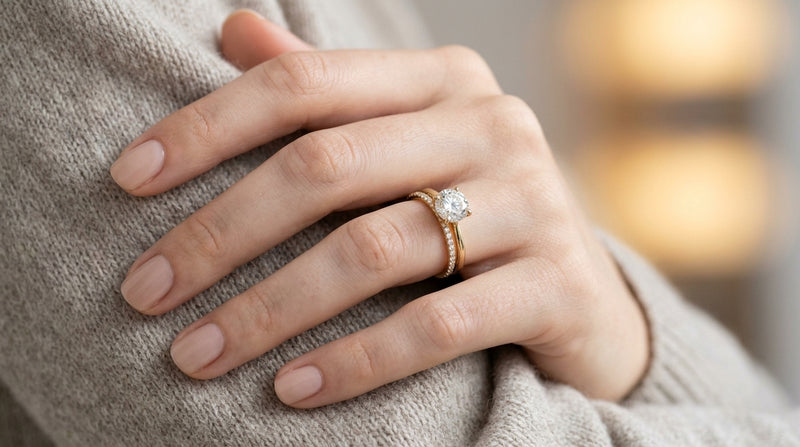
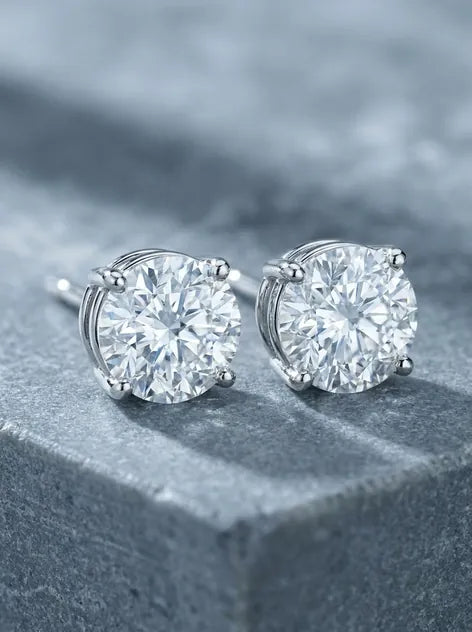
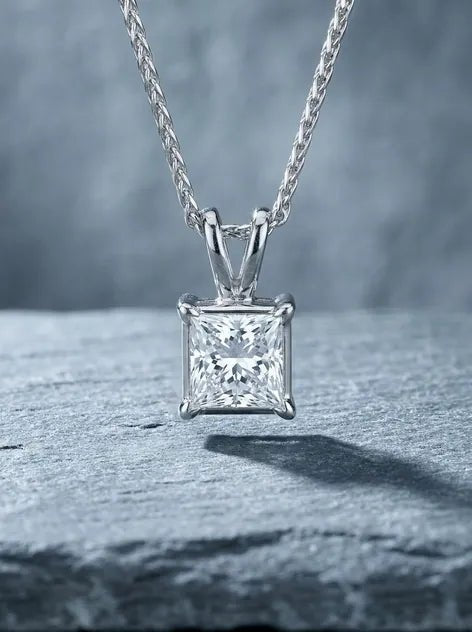


Two-stone rings, known by their French name "Toi et Moi" ("you and me"), set two gemstones side by side to represent two souls, two partners, or two chapters of one story. The most famous example is the ring Napoleon Bonaparte gave his fiancée Joséphine de Beauharnais in 1796, pairing a pear-cut diamond with a pear-cut sapphire. Where solitaire rings put all the attention on a single stone, the two-stone design trades that focus for balance and meaning, which is exactly why it stands out.
What Are the Popular Styles of Two-Stone Rings?
The five most popular two-stone styles are the classic solitaire pairing, colored gemstone combinations, twisted bands, halo designs, and vintage Toi et Moi settings.
- Classic Solitaire Pairing: Two stones, matched or deliberately different, sit side by side with nothing else competing for attention. The simplicity emphasizes harmony and brilliance in a way a single-stone ring cannot.
- Colored Gemstone Combinations: Color adds meaning as well as contrast. A diamond set in rose gold, for instance, pairs the most durable gemstone with a soft pink metal that has long stood for love, so the ring says something before anyone reads the engraving.
- Twist or Intertwined Bands: The metal curves around both stones so the band itself suggests two lives wrapping together. Sometimes called fusion rings, these designs carry a sense of movement and romance that straight bands lack.
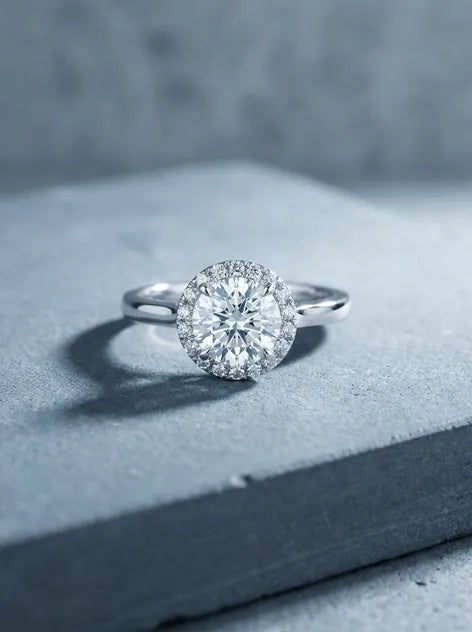
- Halo Two-Stone Rings: Small accent stones circle each center gem in a halo setting, catching light from every angle and making both stones look larger. The effect is unapologetically luxurious.
- Vintage Toi et Moi Designs: Intricate metalwork, antique patterns, and period details recall the Edwardian era and Art Deco period. Marquise and baguette cuts often appear in these designs, giving them a rich, textured, sophisticated look.
Which Gemstones Work Best with Two-Stone Rings?
Diamonds, sapphires, rubies, and emeralds work best in two-stone rings, with lab-grown stones and mix-and-match pairings as strong alternatives.
- Diamonds: Ranking 10 on the Mohs hardness scale, diamonds are the most durable choice and the classic symbol of lasting love. Two diamonds together, same cut or contrasting cuts, read as a doubled commitment.
- Sapphires & Rubies: At 9 on the Mohs scale, both stones hold up to daily wear and pair naturally with each other or with a diamond. Their saturated colors give the ring a bold, meaningful contrast that colorless stones alone can't provide.
- Emeralds & Other Colored Gems: An emerald brings a vivid green that has long stood for growth and renewal, though at 7.5 to 8 hardness it needs more care than a diamond. Softer stones like opals, pearls, and aquamarines make personal, distinctive pairings and are better suited to occasional wear.
- Lab-Grown Stones: Grown rather than mined, these stones offer an ethical, sustainable option at a lower cost. Lab-grown stones also open up customization, since matching two stones precisely is far easier when they are made to order.
- Mix-and-Match Gems: Pairing different stones on one band turns the ring into a story. Combining each partner's birthstone is the most popular version, and it makes the ring unmistakably about the two of you.

How to Choose the Perfect Two-Stone Ring?
Choose a two-stone ring by settling five things in order: its purpose, the gemstone pair, the metal, the setting, and the fit.
- Purpose of Ring: An engagement or wedding ring has to survive daily wear, while a fashion piece only comes out on occasion. Decide which one you are buying first, because it drives both the design and the budget.
- Select Gemstone Pair: Pick stones whose colors complement each other or whose meanings matter to you. Diamonds stand for lasting love; sapphires for loyalty. The pairing is the whole point of this ring, so choose it deliberately.
- Metal Preference: Match the metal to the wearer's life, not just their taste. An active lifestyle calls for platinum, which shrugs off scratches and keeps its natural white color for decades without replating.
- Ring Style & Setting: Softer stones need more protective settings to avoid chips and scratches, so let the gemstones dictate the mounting. From there, pick the aesthetic, minimalist, vintage, modern, or artistic.
- Size & Comfort: Keep the inside of the band smooth and plain for comfort, and favor metals that can be resized later. Both stones should sit securely enough that they never snag on clothing during daily wear.
Who Should Consider Two-Stone Rings?
Two-stone rings suit couples who want a ring that represents both people, for an engagement, an anniversary, or simply to mark a shared story. If a single stone feels like it tells only half the story, Toi et Moi is the answer. The style's history, including the Napoleon and Joséphine ring, appeals to anyone drawn to vintage design and jewelry with a past. And the format invites customization: combine birthstones, contrast two cuts, or mix metals and colors until the ring reads like your own biography in miniature.
How to Care for and Maintain Two-Stone Rings?
Two-stone rings stay in good shape with regular cleaning, periodic setting checks, chemical avoidance, careful storage, and an annual professional inspection.
- Regular Cleaning: Soak the ring in warm water with mild soap for about 15 minutes, then work a soft-bristle brush around both settings to lift trapped oil and dust. Rinse and dry with a soft cloth.
- Check Settings: Two stones set close together put extra stress on the mounting, and prongs can loosen over time. Test the stones gently every few weeks; if either one moves, stop wearing the ring and have a jeweler tighten it.
- Avoid Harsh Chemicals: Take the ring off before using chlorine bleach, strong cleaners, or perfume. Those chemicals attack porous gemstones like emeralds and dull the finish on precious metals.
- Safe Storage: Give the ring its own compartment in a jewelry box. Separation keeps harder gemstones from scratching softer ones, a real risk when a diamond shares a drawer with an emerald.
- Professional Maintenance: Book a professional cleaning and inspection about once a year. A jeweler's ultrasonic equipment reaches grime that home cleaning can't, and the checkup catches loose settings before a stone is lost.